

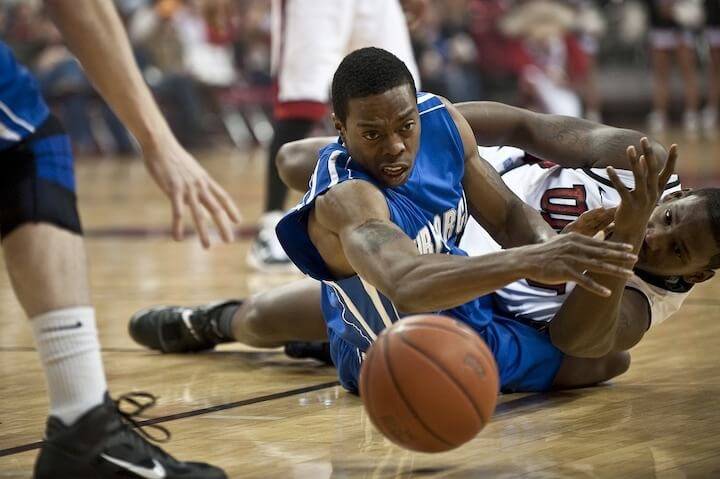
Basketball, a sport of speed, strategy, and split-second decisions, introduces a unique element of physicality through fouls. Among the various types of fouls, the “loose ball foul” stands out as a nuanced aspect of the game, impacting possession and potentially altering the course of play. In this comprehensive exploration, we delve into the intricacies of loose ball fouls, examining their definitions, consequences, and the strategic considerations that come into play when navigating this facet of basketball.
Understanding Loose Ball Fouls: Unpacking the Basics
Definition and Context

A loose ball foul occurs when players engage in illegal physical contact during a loose
ball situation. This typically happens when the ball is not in the possession of either team, leading to a scramble for control. Players may jockey for position, box out opponents, or attempt to secure the rebound, making loose ball fouls a common occurrence in the game.
- “Identifying Loose Ball Scenarios”: When the Game is Up for Grabs
- Loose ball situations often arise after a missed shot, a deflection, or a turnover. As players converge on the ball, the battle for positioning can escalate into physical clashes, resulting in loose ball fouls.
Types of Loose Ball Fouls
Loose ball fouls can manifest in various forms, each carrying distinct implications for the game. Understanding these types sheds light on the dynamics of play and the referees’ role in maintaining fairness.
- “Over-the-Back Foul”: Vertical Challenges and Positional Play
- The over-the-back foul occurs when a player reaches over an opponent’s back to secure a rebound. While rebounding is a fundamental aspect of the game, this foul is called when the player’s actions are deemed illegal or disadvantageous to the opponent.
- “Hold or Grab Foul”: Impeding Movement for an Advantage
- Players may resort to holding or grabbing opponents to impede their movement or prevent them from reaching the ball. This type of loose ball foul emphasizes the importance of fair play and allows for a more fluid and dynamic game.
- “Pushing or Shoving Foul”: Physicality Beyond the Norm
- In the heat of a loose ball situation, players might resort to pushing or shoving to gain an advantage. While physicality is inherent in basketball, fouls are called when these actions exceed the bounds of fair play.
Consequences of Loose Ball Fouls: Navigating the Impact
Possession Changes and Free Throws

One of the immediate consequences of a loose ball foul is a change in possession. The team that was fouled gains the opportunity to inbound the ball and resume play. Additionally, the fouled player or a designated free throw shooter may be awarded free throws, depending on the number of team fouls.
- “Bonus and Double Bonus”: Accumulated Fouls and Free Throw Opportunities
- Teams enter the bonus situation after a certain number of team fouls, typically five or more in a quarter. This grants the fouled team free throw opportunities. In the double bonus, players are awarded two free throws regardless of whether the first attempt is successful.
Strategic Implications
Loose ball fouls introduce strategic considerations for both offensive and defensive teams. Coaches and players must navigate these situations to maximize their team’s chances of success.
- “Strategic Foul Timing”: Knowing When to Tactically Engage
- In certain situations, players may commit intentional loose ball fouls to disrupt the flow of the game, prevent fast breaks, or strategically use the team’s fouls before entering bonus situations. Understanding the game clock and score becomes crucial in deciding when to deploy such tactics.
- “Rebounding Battles”: Balancing Aggression and Restraint
- Rebounding is a fierce aspect of basketball, and players must strike a balance between aggression and avoiding fouls. Skilled rebounders navigate the chaos of loose ball situations without resorting to illegal tactics, showcasing the artistry of controlled physical play.
Referee Interpretation: The Arbiter’s Role in Loose Ball Fouls
Judgment Calls
Referees play a pivotal role in interpreting and enforcing the rules related to loose ball fouls. Their judgment calls can significantly impact the flow and outcome of the game, making it essential for officials to have a keen understanding of the nuances involved.
- “Consistency in Officiating”: Establishing a Fair Standard
- Consistency in calling loose ball fouls is crucial for maintaining the integrity of the game. Referees strive to apply the rules uniformly, ensuring that players and teams are treated fairly regardless of the situation.
Video Review and Challenges
With the advent of technology, video review has become a tool to aid referees in making more accurate decisions, especially in critical moments. Some leagues allow coaches to challenge certain calls, including those related to loose ball fouls.
- “Balancing Fairness and Game Flow”: The Role of Video Review
- Video review provides an additional layer of scrutiny, allowing officials to assess the sequence of events leading to a loose ball foul. Striking a balance between ensuring fairness and not disrupting the natural flow of the game is a constant challenge in utilizing video review.
Strategies to Minimize Loose Ball Fouls: Coaching Perspectives
Fundamental Defensive Techniques
Coaches emphasize fundamental defensive techniques to minimize the likelihood of committing loose ball fouls. Teaching players to maintain legal defensive positions, box out opponents without excessive physicality, and use proper footwork contributes to a disciplined and effective defensive approach.
- “Footwork and Positioning”: Keys to Defensive Discipline
- Players are coached to establish and maintain proper defensive positioning, using their feet to gain advantages rather than relying on physical force. This approach not only reduces fouls but also enhances overall defensive effectiveness.
Rebounding Drills and Techniques
Rebounding drills play a crucial role in preparing players for the chaos of loose ball situations. Coaches design specific drills to simulate the intensity and unpredictability of rebounding battles, teaching players how to navigate these scenarios without resorting to fouls.
- “Box Out Fundamentals”: Mastering the Art of Positioning
- The box out, a fundamental rebounding technique, involves establishing a solid position between the opponent and the basket. Coaches emphasize mastering this skill to secure rebounds without committing fouls.
The Evolution of Loose Ball Fouls: From Tradition to Innovation
Rule Changes Over Time
Basketball’s rules, including those related to fouls, have evolved over time to address the changing dynamics of the game. Rule changes aim to strike a balance between maintaining physicality and ensuring a fair and entertaining competition.
- “Adapting to the Modern Game”: Addressing Pace and Skill
- Rule adjustments consider factors such as the pace of the modern game and the evolving skill sets of players. This ensures that the rules remain relevant and enhance rather than hinder the natural flow of play.
Player Adaptation and Skill Development
As the game has evolved, players have adapted their playing styles and skill sets to navigate the intricacies of loose ball situations. Skill development programs focus on refining players’ abilities to compete aggressively while adhering to the rules.
- “Versatility in Player Roles”: Adapting to Changing Dynamics
- Versatility has become a hallmark of successful players, with an ability to contribute in various aspects of the game. Players who can seamlessly transition from offensive plays to defensive stops, showcasing adaptability in loose ball scenarios, become invaluable assets to their teams.
Related Post:
The Art of Enforcement: Navigating Hockey Fighting Rules
Mastering the Dohyo: Unveiling the Best Sumo Wrestler of All Time
Elevating Spirit: Decoding Cheerleading Positions
In the tapestry of basketball, where athleticism, strategy, and physicality converge, loose ball fouls add a layer of complexity. Understanding the intricacies of these fouls enhances not only players’ appreciation for the game but also fans’ ability to dissect pivotal moments.
As the basketball world continues to witness the ebb and flow of fast breaks, rebounds, and defensive stands, the dance of loose ball fouls remains an integral part of the narrative. Coaches strategize, players adapt, and referees adjudicate, collectively contributing to the ever-evolving story of basketball — a tale enriched by the nuanced dynamics of the loose ball foul. So, whether you’re on the court battling for a rebound or in the stands cheering for your team, the dance of loose ball fouls unfolds, shaping the destiny of the game one possession at a time.