

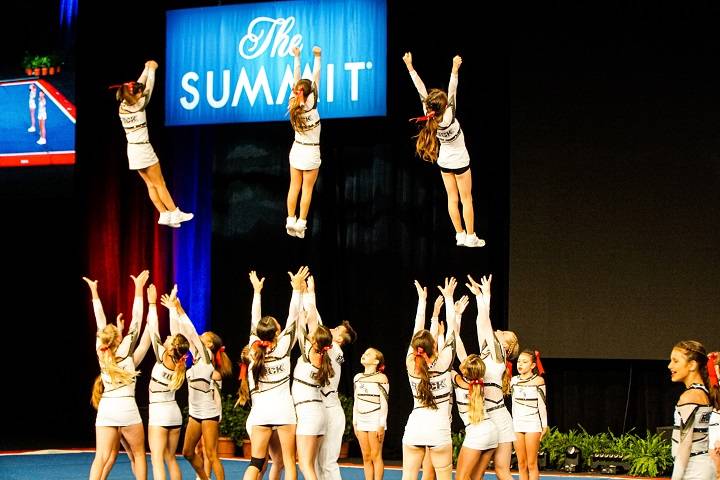
Cheerleading, a dynamic and vibrant expression of team spirit, transforms sports arenas and events into lively spectacles. Behind the captivating routines and energetic cheers, cheerleaders assume distinct positions, each contributing to the cohesive and visually stunning performances that captivate audiences. In this comprehensive exploration, we unravel the intricacies of cheerleading positions, shedding light on the roles, techniques, and teamwork that define the world of cheerleading. Join us as we navigate through the key elements that make cheerleading a unique and integral part of the sporting experience.
Unveiling the Roles: Cheerleading Positions and Their Significance
Flyers: Soaring to New Heights
Aerial Artistry:

Flyers, often the focal point of cheerleading routines, are lifted and thrown into the air to perform acrobatic maneuvers. Their athleticism, flexibility, and grace create visual spectacles that leave audiences in awe.
Base Support:
While flyers steal the spotlight, their performance relies on the strength and stability of their bases. Bases, typically larger and more grounded cheerleaders, provide the foundation for lifts, ensuring the safety and success of aerial stunts.
Bases: The Pillars of Support
Lifting and Tossing:
Bases play a crucial role in executing lifts and tosses, showcasing their strength and coordination. The seamless teamwork between bases and flyers is essential for the success of high-flying stunts that define cheerleading performances.
Stability and Precision:
Maintaining a solid and stable foundation is paramount for bases. Their precision in handling flyers and executing choreographed movements contributes to the overall fluidity and impact of cheerleading routines.
Back Spotters: Guardians of Safety
Ensuring Safety:
Back spotters are the safety net of cheerleading formations. Positioned behind flyers, they closely monitor stunts to ensure a safe landing in case of any unforeseen circumstances. Their vigilance adds an extra layer of security to aerial performances.
Communication Hub:
Effective communication between back spotters and bases is crucial. Back spotters provide verbal cues and signals to the bases, ensuring a synchronized and safe execution of stunts. Their watchful eyes contribute to the seamless flow of routines.
Front Spotters: Navigating Complex Maneuvers
Guiding Landings:
Front spotters position themselves in front of flyers during stunts, aiding in a controlled descent and ensuring a secure landing. Their role becomes particularly significant in advanced stunts with intricate dismounts.
Facilitating Transitions:
As cheerleading routines involve dynamic transitions and quick changes, front spotters assist in guiding flyers smoothly from one position to another. Their presence adds finesse to the overall performance.
Mastering the Art: Techniques and Training for Cheerleading Positions
Flyer Techniques: Precision and Poise
Body Control:

Flyers must exhibit exceptional body control while in the air. From pointed toes to graceful arm movements, every detail contributes to the aesthetic appeal of their performance. Training focuses on enhancing flexibility, balance, and spatial awareness.
Trusting the Bases:
Building trust between flyers and bases is foundational. Flyers rely on the strength and stability of their bases, and a strong sense of trust ensures that both components of the stunt work in harmony.
Base Training: Strength and Synchronization
Strength Conditioning:
Bases undergo rigorous strength training to handle the physical demands of lifting and supporting flyers. Emphasis is placed on core strength, leg power, and upper body conditioning to ensure stability during stunts.
Synchronized Movements:
Coordination between bases is essential for seamless lifts and tosses. Training drills focus on synchronized movements, precise timing, and effective communication to create a unified and visually impactful performance.
Back Spotter Skills: Vigilance and Communication
Observational Skills:
Back spotters develop keen observational skills to closely monitor the progress of stunts. They are trained to anticipate potential challenges and respond swiftly to ensure the safety of flyers.
Clear Communication:
Effective communication is a hallmark of successful cheerleading teams. Back spotters convey critical information to bases and front spotters, serving as a communication hub to keep the entire team in sync.
Front Spotter Expertise: Facilitating Transitions
Assisting Dismounts:
Front spotters play a pivotal role during dismounts, guiding flyers to a safe landing. Their expertise in reading the momentum of stunts ensures a smooth transition from airborne maneuvers to ground-based elements.
Seamless Transitions:
As cheerleading routines involve a dynamic interplay of stunts, tumbling, and dance, front spotters contribute to the seamless flow of transitions. Their presence adds a layer of choreographic finesse to the overall routine.
Crafting Cohesive Routines: Teamwork and Collaboration
Team Bonding: Trust and Unity
Building Trust:
Cheerleading teams invest in team-building activities to foster trust and camaraderie. Trust is the bedrock of successful performances, especially in high-stakes stunts where seamless collaboration is imperative.
Unified Vision:
A shared vision for the routine unites the team. From the choreographer to the flyers, bases, and spotters, everyone works towards a common goal of creating a visually stunning and emotionally resonant performance.
Choreography and Precision: The Art of Synchronization
Choreographic Brilliance:
Cheerleading routines are a blend of athleticism and artistry. Choreographers design routines that showcase the strengths of each team member, creating moments of visual impact and emotional resonance.
Precision in Execution:
Precision is key in executing cheerleading routines. Every movement, from jumps to tosses, must be executed with precision and timing. This level of precision requires extensive practice and a deep understanding of each member’s role.
Evolving Trends in Cheerleading: From Sidelines to Center Stage
Competitive Cheerleading: A Sporting Spectacle
Rise of Competitions:
Cheerleading has evolved beyond sideline performances at games to become a competitive sport in its own right. Competitive cheerleading events showcase intricate routines, elaborate stunts, and a heightened level of athleticism.
Judging Criteria:
Competitive cheerleading is judged based on various criteria, including difficulty of stunts, synchronization, creativity, and overall presentation. Teams vie for top honors, and competitions draw participants from around the world.
Incorporating Dance and Tumbling Elements
Diversification of Skills:
Modern cheerleading routines incorporate a diverse range of skills, including dance and tumbling elements. Teams showcase versatility by seamlessly integrating different aspects of performance, adding layers of complexity to their routines.
Showmanship and Entertainment:
Cheerleading has become not only a display of athleticism but also a form of entertainment. Teams focus on engaging the audience, incorporating themed routines, and infusing a sense of showmanship into their performances.
Celebrating Cheerleading Legends and Memorable Performances
Gabby Butler: A Flyer Extraordinaire
YouTube Sensation:
Gabby Butler, a cheerleading prodigy, gained widespread recognition through social media platforms like YouTube. Her breathtaking aerial stunts and dynamic performances have made her a celebrated figure in the cheerleading community.
Innovation in Stunts:
Butler’s performances often push the boundaries of traditional cheerleading stunts. Her innovative approaches to aerial maneuvers and fearless execution have contributed to the evolution of cheerleading techniques.
Navarro College Cheer Team: Netflix’s “Cheer” Sensation
Documentary Stardom:
The Navarro College Cheer Team gained international fame through the Netflix documentary series “Cheer.” The series showcased the team’s dedication, athleticism, and the challenges they faced in their pursuit of perfection.
Coaching Excellence:
Monica Aldama, the team’s coach, emerged as a symbol of coaching excellence. Her leadership and commitment to the success and well-being of her athletes underscored the intricate balance of discipline and support in competitive cheerleading.
Navigating Challenges and Embracing Growth
Addressing Safety Concerns: Prioritizing Athlete Well-Being
Safety Protocols:
In light of the physical demands of cheerleading stunts, safety protocols are paramount. Teams implement strict guidelines, regular training, and conditioning programs to mitigate the risk of injuries and ensure the well-being of athletes.
Education and Awareness:
Athlete education and awareness campaigns contribute to a culture of safety in cheerleading. Emphasizing proper technique, conditioning, and the importance of reporting any discomfort or injuries fosters a proactive approach to health and well-being.
Inclusive Practices: Diversifying Cheerleading Teams
Breaking Stereotypes:
Cheerleading is breaking away from traditional stereotypes, embracing diversity, and welcoming athletes from various backgrounds. Inclusive practices aim to create opportunities for individuals to showcase their unique talents and contribute to the richness of cheerleading culture.
Empowering All Athletes:
Inclusivity is not just about breaking physical stereotypes but also about fostering an environment where all athletes feel empowered and valued. Cheerleading teams work towards creating a culture of respect, support, and appreciation for individual strengths.
The Future of Cheerleading: Innovation and Inspiration
Technological Integration: Enhancing Training and Performance
Video Analysis and Feedback:
Technology plays a pivotal role in the evolution of cheerleading. Video analysis tools allow teams to review performances, identify areas for improvement, and refine techniques. Real-time feedback contributes to the continuous growth of athletes.
Virtual Training Platforms:
The accessibility of virtual training platforms has expanded opportunities for cheerleaders to refine their skills. Athletes can participate in remote training sessions, access instructional videos, and engage in virtual competitions, fostering a global community of cheerleaders.
Inspiring the Next Generation: Mentorship and Outreach
Mentorship Programs:
Establishing mentorship programs within cheerleading communities promotes the transfer of knowledge and experiences. Seasoned athletes guide and inspire the next generation, fostering a sense of continuity and shared passion for the sport.
Community Outreach:
Cheerleading teams engage in community outreach programs to inspire aspiring athletes. Workshops, demonstrations, and collaborations with schools contribute to the growth of cheerleading at the grassroots level.
Related Post:
What Positions Are There in Soccer: A Comprehensive Guide
Deciphering Good Golf Scores: Unveiling the Quest for Excellence
The Ultimate Guide to Team Sports: Exploring a Comprehensive Team Sports List
In the realm of cheerleading, where athleticism meets artistry, the positions assumed by cheerleaders are not just roles; they are integral components of a dynamic and visually stunning performance. From the soaring flyers to the steadfast bases and vigilant spotters, each position contributes to the tapestry of cheerleading routines.
As cheerleading continues to evolve—from traditional sideline cheers to competitive showcases—the spirit of unity, discipline, and creativity remains at its core. The world of cheerleading positions reflects not only the physical prowess of athletes but also the collaborative effort that transforms routines into captivating expressions of team spirit.
So, whether on the sidelines of a football game or center stage at a cheerleading competition, the positions held by cheerleaders embody the essence of the sport—an artful blend of athleticism, precision, and the infectious energy that unites teams and captivates audiences around the world.