

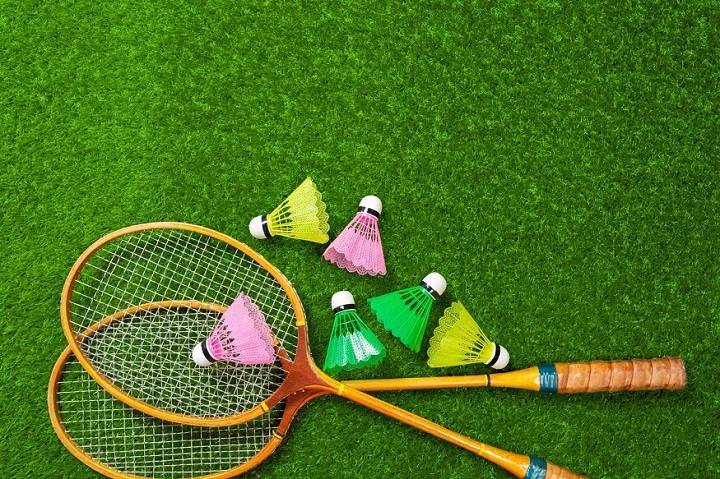
In the dynamic world of badminton, where agility, precision, and strategy converge on the court, the right equipment becomes the key to unlocking one’s full potential. From feathered shuttles that dance through the air to racquets that become extensions of a player’s skill, each piece of equipment plays a vital role in shaping the badminton experience. In this comprehensive exploration, we delve into the nuances of badminton equipment, examining the racquets, shuttlecocks, shoes, and accessories that define the game.
Understanding Badminton Racquets
Frame Construction and Materials
Graphite and Carbon Fiber:

Modern badminton racquets are predominantly crafted from materials like graphite and carbon fiber. These materials provide a balance of strength, durability, and lightness, allowing players to maneuver the racquet with precision and speed.
Isometric and Oval Frames:
Racquet frames come in different shapes, with isometric and oval being the most common. Isometric frames have a more squared-off shape, offering a larger sweet spot, while oval frames provide a more traditional feel. Players often choose based on personal preference and playing style.
Stiffness and Flexibility:
The stiffness of a racquet affects its power and control. Stiffer racquets tend to provide more power but require precise control, while more flexible racquets offer better control at the expense of some power. Finding the right balance depends on individual playing preferences.
Grip Size and Composition
Handle Size:
Badminton racquet handles come in various sizes, and players often choose a grip size that feels comfortable in their hands. Sizes typically range from G2 to G5, with G5 being the smallest. Players with larger hands may prefer a larger grip size for better control.
Grip Composition:
The grip, often made of synthetic materials like polyurethane or leather, influences a player’s comfort and control. Overgrips, which players can add over the original grip, allow for customization of the feel and absorb sweat during intense rallies.
Tension of Strings:
String tension is a critical factor in a racquet’s performance. Higher string tension provides more control and precision but may reduce power. Lower tension offers more power but sacrifices some control. Players often experiment to find the tension that suits their playing style.
Choosing the Perfect Shuttlecock
Feather vs. Nylon Shuttlecocks
Feather Shuttlecocks:

Traditionally made from goose feathers, high-quality feather shuttlecocks are preferred in professional and competitive play. Feather shuttlecocks offer a natural flight trajectory, excellent control, and a unique feel on the court. They are, however, more delicate and susceptible to damage.
Nylon Shuttlecocks:
Nylon shuttlecocks, made from synthetic materials, are durable and more suitable for casual play, practice sessions, or beginners. While they don’t replicate the exact flight of feathered shuttles, they are more cost-effective and resilient, making them a popular choice for recreational players.
Shuttlecock Speeds
Speed Ratings:
Shuttlecocks come in different speed ratings—slow (75), medium (76-77), and fast (78-79). The speed rating indicates the shuttlecock’s responsiveness to player actions. Factors such as temperature and altitude can also influence shuttlecock speed, so players may choose different speeds based on playing conditions.
Matching Shuttlecock Speed to Playing Level:
Players often select shuttlecock speeds based on their skill level. Beginners may start with slower shuttlecocks to build confidence, while advanced players prefer faster shuttles for the quick exchanges and challenging rallies they provide.
Hybrid Sets:
In some cases, players opt for hybrid sets that include a mix of shuttlecock speeds. This allows for adaptability during play, accommodating changes in conditions or the need for varied shuttlecock speeds in different phases of a game.
Essential Badminton Footwear
Court Shoes Design and Features
Non-Marking Soles:
Badminton is played on indoor courts, and non-marking soles are essential to prevent scuff marks and damage to the playing surface. The rubber soles should provide good grip without leaving marks on the court.
Cushioning and Support:
Badminton involves quick lateral movements and sudden stops, placing strain on the feet and ankles. Court shoes are designed with cushioning and support to absorb impact and provide stability during dynamic play.
Breathability:
As badminton is a physically demanding sport, players often work up a sweat. Breathable materials in the shoe construction help keep feet cool and comfortable during extended rallies.
Ankle Support and Flexibility
Low-Top vs. Mid-Top vs. High-Top:
Badminton shoes come in different styles—low-top, mid-top, and high-top. Low-top shoes offer maximum ankle mobility, while mid-top and high-top shoes provide more ankle support. The choice depends on individual preferences and the level of ankle support needed.
Flexibility for Quick Movements:
The flexibility of badminton shoes is crucial for executing swift movements on the court. Players need to pivot, lunge, and change direction rapidly, and shoes that allow for natural foot movement enhance performance and reduce the risk of injuries.
Lacing Systems:
Secure and adjustable lacing systems help customize the fit of the shoes, providing a snug and supportive feel. Players can experiment with different lacing techniques to achieve the desired level of tightness and support.
Accessories and Gear for Badminton Enthusiasts
Shuttlecock Tubes and Cases
Shuttlecock Tubes:
Players often use shuttlecock tubes to protect feathered shuttlecocks and maintain their shape. These tubes are designed to keep the shuttles in optimal condition during transportation and storage.
Racquet Cases:
Racquet cases protect badminton racquets, shielding them from damage during transport. They often come with compartments for multiple racquets, additional grips, and small accessories.
Grip Enhancements and Dampeners
Overgrips:
Players who prefer a specific feel or want to enhance grip can use overgrips. Overgrips are applied over the original grip of the racquet, providing a customized surface and helping absorb sweat during intense play.
Vibration Dampeners:
Vibration dampeners can be added to the strings of a racquet to reduce vibrations and minimize the impact felt by the player. This accessory enhances comfort and prevents excessive strain on the arm during play.
Clothing and Sportswear
Breathable Clothing:
Breathable and moisture-wicking clothing is essential for badminton players who engage in intense rallies. Lightweight and quick-drying fabrics help manage sweat, keeping players comfortable throughout their matches.
Non-Restrictive Apparel:
As badminton involves dynamic movements, players prefer clothing that allows for a full range of motion. Non-restrictive apparel, such as shorts, skirts, and jerseys, ensures players can perform without hindrance.
Caring for Badminton Equipment
Racquet Maintenance and Stringing
Regular Inspections:
Players should regularly inspect their racquets for signs of wear, including cracks or loose strings. Catching potential issues early allows for timely repairs or replacements.
String Tension Maintenance:
String tension is a critical factor in a racquet’s performance. Players who prefer a specific tension should monitor it regularly and adjust as needed to maintain optimal playability.
Professional Stringing Services:
For players seeking precision in string tension and expert advice, professional stringing services are available. Stringers can recommend appropriate tensions based on playing style and preferences.
Shuttlecock Care and Storage
Feather Shuttlecock Care:
Feathered shuttlecocks require careful handling. Players should avoid stepping on them, and any damage to the feathers can affect their flight. Storing shuttles in a cool, dry place helps preserve their condition.
Proper Tube Storage:
When not in use, shuttlecocks stored in tubes should be placed in a controlled environment to prevent fluctuations in temperature and humidity. This ensures the shuttles maintain their shape and performance characteristics.
Rotation of Shuttles:
To prevent wear on a single shuttlecock, players can rotate through a set of shuttles during practice sessions. This allows for even usage and extends the lifespan of each shuttle.
Related Post:
Navigating the Game Clock: The Dynamics of How Many Periods in Basketball
Mastering the Court: A Comprehensive Guide to Basic Skills in Volleyball
The Defensive Canvas: A Deep Dive into Strategic Defensive Positions in Football
In the realm of badminton, the right equipment serves as a gateway to elevating one’s game—from the swift flick of a racquet sending a shuttle soaring to the precise footwork facilitated by specialized court shoes. Whether you’re a casual player enjoying a friendly match or a competitive athlete honing your skills, investing in quality badminton equipment enhances both performance and enjoyment.
As players step onto the court with racquet in hand and shuttlecocks at the ready, they become part of a rich tradition that values skill, sportsmanship, and the joy of the game. So, whether you’re perfecting your drop shots, mastering powerful smashes, or engaging in exhilarating rallies, let the right equipment be your ally in the pursuit of badminton excellence—a journey where each well-struck shuttle and agile movement contribute to the timeless allure of this captivating sport.