


Engaging in sports is a fantastic way to stay fit, build skills, and enjoy camaraderie. However, it is crucial to understand the importance of listening to your body when participating in physical activities. Ignoring the signals your body sends can lead to injuries, burnout, and long-term health issues. In this comprehensive blog post, we will explore “why is it important to listen to your body when playing sports?” We will delve into the benefits of paying attention to your body’s signals, common signs that you should heed, and practical tips for maintaining a healthy balance between pushing your limits and ensuring your well-being.
Introduction to Listening to Your Body in Sports
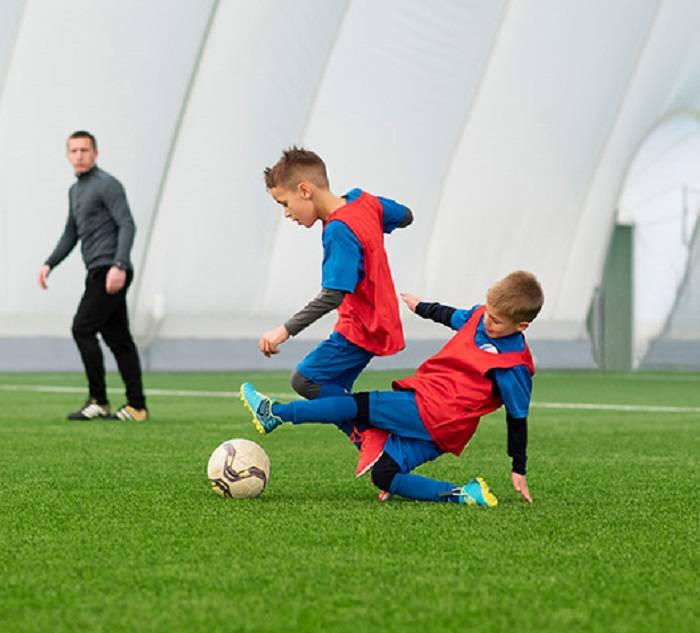
Understanding Body Signals
Listening to your body means being aware of the physical signals it sends and responding appropriately. These signals can range from minor discomfort to significant pain, and recognizing them is vital for maintaining health and performance in sports.
Why Is It Important to Listen to Your Body When Playing Sports?
Listening to your body helps prevent injuries, enhance performance, and ensure long-term health. Athletes who ignore their body’s signals risk overtraining, fatigue, and severe injuries that can sideline them for extended periods or even end their careers.
Benefits of Listening to Your Body
Injury Prevention
One of the primary reasons why it is important to listen to your body when playing sports is injury prevention. Recognizing and addressing pain or discomfort early can prevent minor issues from becoming serious injuries.
Enhanced Performance
Paying attention to your body allows you to optimize your training and performance. By understanding when to push harder and when to rest, you can improve your overall athletic abilities and achieve better results.
Improved Recovery
Listening to your body ensures that you give yourself adequate time to recover after intense physical activity. Proper recovery is essential for muscle repair, energy restoration, and preventing overuse injuries.
Mental Health Benefits
Physical exhaustion and injuries can take a toll on mental health. By listening to your body, you can maintain a healthy balance between training and rest, reducing stress and anxiety related to sports.
Longevity in Sports
Athletes who prioritize their health by listening to their bodies are more likely to enjoy long, successful careers. This approach helps maintain physical and mental well-being, allowing for sustained participation in sports.
Common Body Signals to Watch For
Pain
Pain is a clear signal that something is wrong. Distinguishing between normal muscle soreness and pain from an injury is crucial. Sharp, persistent, or worsening pain should not be ignored.
Fatigue
Feeling excessively tired or fatigued, especially if it persists despite adequate rest, can indicate overtraining or underlying health issues. Fatigue affects performance and increases the risk of injuries.
Discomfort
Discomfort during physical activity can be a sign of poor technique, equipment issues, or the onset of an injury. Paying attention to discomfort can help you make necessary adjustments before it leads to more severe problems.
Decreased Performance
A sudden drop in performance levels can be a sign that your body is not coping well with the training load. It might indicate the need for rest, recovery, or changes in your training regimen.
Changes in Mood
Mood changes, such as increased irritability or depression, can be linked to overtraining or physical exhaustion. These changes can affect your motivation and enjoyment of the sport.
Practical Tips for Listening to Your Body
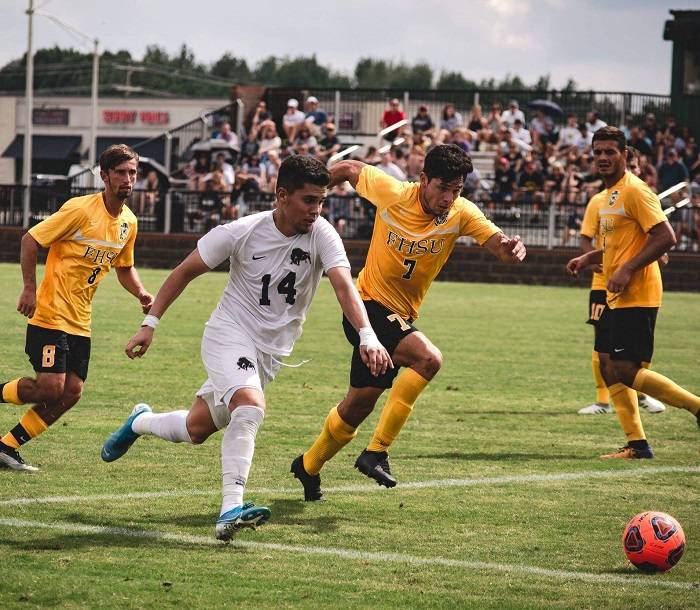
Develop Body Awareness
Enhance your body awareness by paying close attention to how you feel during and after physical activity. This can help you recognize subtle signals and respond appropriately.
Keep a Training Journal
Maintaining a training journal allows you to track your workouts, rest days, and how your body feels. This record can help identify patterns and potential issues before they become serious problems.
Incorporate Rest Days
Rest days are essential for recovery and preventing overtraining. Ensure that your training schedule includes adequate rest and recovery periods to allow your body to heal and rejuvenate.
Use Proper Technique
Using proper technique in sports can prevent injuries and enhance performance. Work with coaches or trainers to ensure you are using the correct form and techniques for your activities.
Stay Hydrated and Nourished
Proper hydration and nutrition are crucial for maintaining energy levels and overall health. Ensure you are consuming a balanced diet and staying hydrated, especially during intense physical activity.
Listen to Professional Advice
Consult with healthcare professionals, such as doctors, physiotherapists, and nutritionists, to get personalized advice on maintaining your health and performance in sports.
Table: Common Body Signals and Recommended Actions
| Body Signal | Description | Recommended Action |
| Pain | Sharp, persistent, or worsening pain | Rest, seek medical advice if needed |
| Fatigue | Excessive tiredness despite rest | Reduce training load, increase rest periods |
| Discomfort | General discomfort during activity | Check technique and equipment, rest |
| Decreased Performance | Sudden drop in performance levels | Evaluate training, consider more rest |
| Changes in Mood | Increased irritability or depression | Balance training with rest, seek support |
Case Studies: Athletes Who Benefited from Listening to Their Bodies
Case Study 1: Professional Runner
A professional runner experienced persistent knee pain but continued training for an upcoming marathon. Eventually, the pain became unbearable, leading to a diagnosis of a stress fracture. After a period of rest and rehabilitation, the runner learned the importance of listening to their body and now incorporates regular rest days and cross-training to prevent injuries.
Case Study 2: College Swimmer
A college swimmer noticed a decline in performance and increased fatigue despite intense training. By consulting with a coach and a nutritionist, they discovered that overtraining and inadequate nutrition were the issues. Adjustments to the training schedule and diet resulted in improved performance and overall well-being.
Case Study 3: Recreational Cyclist
A recreational cyclist ignored lower back discomfort, which eventually turned into a severe back injury. After undergoing physical therapy and learning proper cycling techniques, the cyclist realized the importance of addressing discomfort early and now practices regular stretching and core strengthening exercises.
The Role of Coaches and Trainers

Importance of Communication
Effective communication between athletes and coaches is crucial. Athletes should feel comfortable discussing their physical and mental state, while coaches should encourage and listen to these concerns.
Personalized Training Plans
Coaches and trainers should develop personalized training plans that consider the individual needs and limitations of each athlete. This approach helps prevent overtraining and injuries.
Regular Assessments
Regular assessments of an athlete’s physical and mental condition can help identify potential issues early. These assessments can include performance tests, physical exams, and mental health evaluations.
The Impact of Ignoring Body Signals
Short-Term Consequences
Ignoring body signals can lead to immediate consequences such as acute injuries, decreased performance, and increased fatigue. These issues can disrupt training and competition schedules.
Long-Term Consequences
Long-term consequences of ignoring body signals include chronic injuries, burnout, and long-term health problems. These issues can end athletic careers prematurely and affect overall quality of life.
Mental Health Implications
Ignoring physical health can also negatively impact mental health. Chronic pain, injuries, and overtraining can lead to anxiety, depression, and decreased motivation.
FAQs
1. Why is it important to listen to your body when playing sports?
Listening to your body is crucial for preventing injuries, enhancing performance, ensuring proper recovery, and maintaining long-term physical and mental health.
2. What are common body signals that indicate I should stop or adjust my activity?
Common signals include sharp or persistent pain, excessive fatigue, general discomfort, sudden performance drops, and mood changes such as irritability or depression.
3. How can I improve my body awareness?
Improving body awareness involves paying close attention to how you feel during and after activities, keeping a training journal, and regularly assessing your physical and mental state.
4. What role do coaches and trainers play in helping athletes listen to their bodies?
Coaches and trainers play a vital role by encouraging open communication, developing personalized training plans, conducting regular assessments, and providing professional advice.
5. What are the consequences of ignoring my body’s signals?
Ignoring your body’s signals can lead to immediate and long-term consequences such as acute and chronic injuries, decreased performance, burnout, and negative mental health impacts.
Related Post:
Used Sports Cars for Sale: Your Ultimate Guide to Buying a Pre-Owned Performance Vehicle
What Does D1 Mean in Sports? Understanding Division I Athletics
EA Sports PGA Tour 2023 Review: A Comprehensive Look at the Latest Golf Simulation Game
Understanding why it is important to listen to your body when playing sports is essential for athletes at all levels. By paying attention to physical and mental signals, athletes can prevent injuries, enhance performance, and ensure long-term well-being. Incorporating strategies such as developing body awareness, maintaining open communication with coaches, and prioritizing rest and recovery can help athletes achieve a healthy balance between training and health. Whether you are a professional athlete or enjoy sports recreationally, listening to your body is key to sustaining a successful and enjoyable athletic journey.