

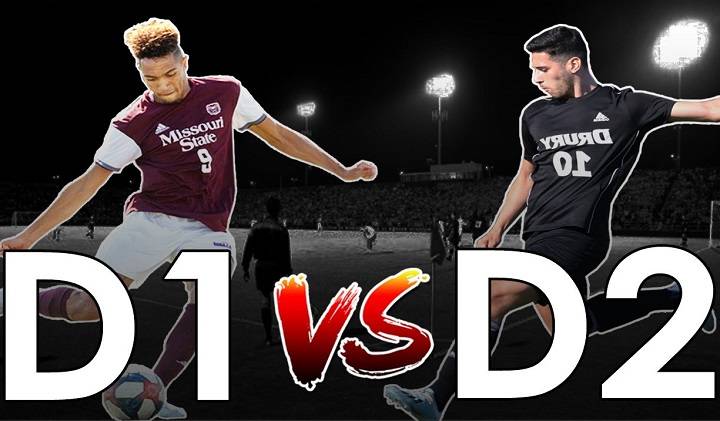
In the world of collegiate athletics, the term “D1” is often used to describe a certain level of competition. But what does D1 mean in sports? This comprehensive guide will delve into the meaning of D1, its significance, and the impact it has on student-athletes and institutions. We’ll explore the structure of Division I sports, the benefits and challenges of participating at this level, and provide insights for athletes aspiring to compete in D1 athletics.
Introduction to D1 in Sports
What Does D1 Mean in Sports?
D1, or Division I, refers to the highest level of intercollegiate athletics sanctioned by the National Collegiate Athletic Association (NCAA) in the United States. Division I schools are characterized by their larger budgets, more advanced facilities, and higher levels of competition compared to Division II and Division III schools.
The NCAA and Its Divisions
The NCAA is the governing body for collegiate sports in the U.S., and it organizes competitions across three divisions: Division I, Division II, and Division III. Each division has its own set of rules, regulations, and eligibility criteria, designed to create a balanced and fair competitive environment.
Characteristics of Division I Schools
Enrollment and Resources
Division I schools typically have larger student populations and more resources compared to Division II and Division III schools. These resources include state-of-the-art athletic facilities, significant financial support, and extensive academic programs.
Athletic Scholarships
One of the defining features of Division I athletics is the availability of athletic scholarships. These scholarships help attract top talent and provide financial assistance to student-athletes. Full scholarships cover tuition, room and board, and other related expenses, while partial scholarships cover a portion of these costs.
Competitive Atmosphere
Division I sports are known for their high level of competition. Schools in this division compete in nationally recognized conferences, and many of their athletes go on to pursue professional careers. The intense competition and rigorous training schedules prepare student-athletes for the demands of professional sports.
Popular Division I Sports
Football
Division I football is one of the most popular and widely followed college sports. The Football Bowl Subdivision (FBS) and the Football Championship Subdivision (FCS) are the two subdivisions within Division I football, with the FBS being the more prominent and competitive of the two.
Basketball
Men’s and women’s basketball are major sports within Division I. The NCAA Men’s Basketball Tournament, also known as March Madness, is one of the most exciting and highly anticipated events in college sports. Division I basketball players often go on to play in professional leagues such as the NBA and WNBA.
Baseball
Division I baseball is highly competitive, with the College World Series being the pinnacle of the season. Many Division I baseball players are drafted into Major League Baseball (MLB) each year.
Other Sports
Division I encompasses a wide range of sports, including soccer, track and field, swimming, tennis, volleyball, and more. Each sport offers unique opportunities and challenges for student-athletes.
Benefits of Competing in Division I Sports
High-Level Competition
Competing at the Division I level means facing some of the best collegiate athletes in the country. This high level of competition pushes student-athletes to improve their skills, fitness, and mental toughness.
Exposure and Opportunities
Division I athletes receive significant exposure through media coverage, televised games, and high-profile tournaments. This visibility can lead to opportunities beyond college, including professional sports careers and endorsements.
Athletic Scholarships
Division I schools offer athletic scholarships that can significantly reduce the financial burden of college education. These scholarships are awarded based on athletic performance, academic achievements, and potential.
Personal and Professional Development
The rigorous training schedules, academic requirements, and competitive environment help student-athletes develop discipline, time management skills, and leadership qualities. These skills are valuable in both sports and professional careers.
Challenges of Competing in Division I Sports
Time Commitment
Balancing academics and athletics at the Division I level requires a significant time commitment. Student-athletes often spend long hours training, traveling for competitions, and studying, leaving little time for other activities.
Physical and Mental Demands
The physical and mental demands of Division I sports are substantial. Athletes must maintain peak physical condition, recover from injuries, and handle the pressure of high-stakes competition.
Academic Expectations
Division I student-athletes are expected to maintain strong academic performance while meeting the demands of their sport. This can be challenging, especially during the competitive season when travel and practice schedules are intense.
Limited Social Life
The rigorous schedule of a Division I athlete can limit their social life. Balancing academics, athletics, and personal time requires excellent time management skills and discipline.
Table: Comparison of NCAA Divisions
| Feature | Division I | Division II | Division III |
| School Size | Large | Medium | Small to Medium |
| Athletic Scholarships | Yes (Full and Partial) | Yes (Partial) | No (Financial Aid Only) |
| Competition Level | Highest | Moderate | Competitive but Less Intense |
| Media Exposure | High | Moderate | Low to Moderate |
| Facilities | State-of-the-Art | Good | Adequate |
| Student-Athlete Ratio | Higher Ratio of Athletes | Balanced | Lower Ratio of Athletes |
| Academic Balance | Challenging | Manageable | Emphasis on Academics |
The Recruitment Process for Division I Sports

Scouting and Recruitment
The recruitment process for Division I sports begins early, often during an athlete’s high school years. College coaches and scouts attend high school games, tournaments, and showcases to identify potential recruits.
Academic Requirements
Prospective Division I athletes must meet specific academic requirements, including a minimum GPA and standardized test scores (SAT or ACT). The NCAA Eligibility Center evaluates these academic credentials to determine eligibility.
Athletic Performance
Athletic performance is a critical factor in the recruitment process. Coaches look for athletes who demonstrate exceptional skills, athleticism, and potential to contribute to their teams.
Scholarships and Offers
Once identified, recruits may receive scholarship offers from Division I schools. These offers can vary in terms of the amount of financial aid provided and the conditions attached to the scholarship.
Campus Visits and Commitments
Recruits often visit campuses to meet with coaches, tour facilities, and experience the college environment. After evaluating their options, athletes may commit to a school by signing a National Letter of Intent (NLI).
The Impact of Division I Sports on Institutions
Financial Impact
Division I sports can have a significant financial impact on institutions. Successful athletic programs generate revenue through ticket sales, merchandise, broadcasting rights, and sponsorships.
School Spirit and Community
Division I sports foster school spirit and a sense of community among students, alumni, and local residents. Sporting events provide a platform for social interaction and school pride.
Academic and Athletic Balance
Balancing academic and athletic excellence is a priority for Division I institutions. Schools invest in academic support services to help student-athletes succeed in both areas.
Reputation and Prestige
Successful Division I athletic programs enhance the reputation and prestige of institutions. High-profile sports achievements attract media attention, prospective students, and alumni support.
FAQs
1. What does D1 mean in sports?
D1, or Division I, refers to the highest level of intercollegiate athletics sanctioned by the NCAA. Division I schools are known for their larger budgets, advanced facilities, and high levels of competition.
2. What are the benefits of competing in Division I sports?
Benefits include high-level competition, exposure and opportunities, athletic scholarships, and personal and professional development.
3. What are the challenges of competing in Division I sports?
Challenges include significant time commitments, physical and mental demands, academic expectations, and limited social life.
4. How does the recruitment process work for Division I sports?
The recruitment process involves scouting and recruitment by college coaches, meeting academic and athletic requirements, receiving scholarship offers, and committing to a school.
5. How do Division I sports impact institutions?
Division I sports impact institutions financially, foster school spirit and community, balance academic and athletic excellence, and enhance the school’s reputation and prestige.
Related Post:
EA Sports PGA Tour 2023 Review: A Comprehensive Look at the Latest Golf Simulation Game
Sports and Social Cary, NC: A Comprehensive Guide to the Ultimate Sports and Entertainment Venue
Is Bally Sports on YouTube TV? A Comprehensive Guide to Streaming Sports
Understanding “what does D1 mean in sports” provides insight into the highest level of collegiate athletics in the United States. Division I sports offer unique opportunities and challenges for student-athletes, including high-level competition, exposure, scholarships, and personal development. The impact of Division I sports extends beyond individual athletes to institutions and communities, fostering school spirit, generating revenue, and enhancing academic and athletic excellence. Whether you are an aspiring athlete, a sports fan, or simply curious about collegiate sports, this comprehensive guide offers valuable information about Division I athletics and its significance.