

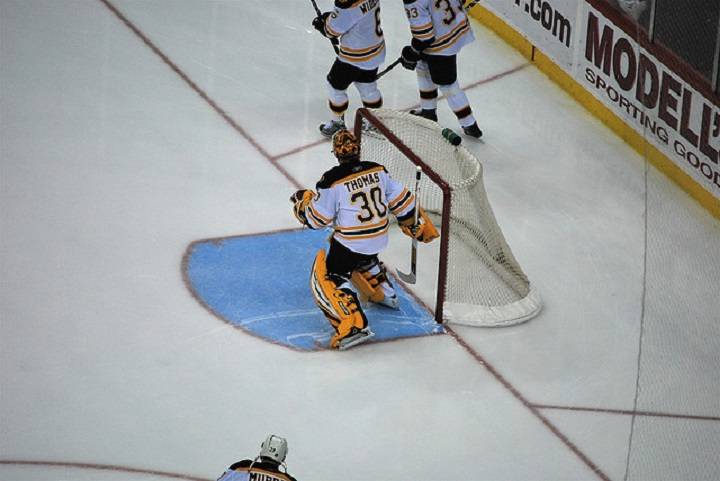
Hockey, a sport characterized by speed, precision, and strategic gameplay, often introduces rules that add layers of complexity to the game. One such rule, the Trapezoid Rule, stands as a distinctive feature in the NHL. In this in-depth exploration, we embark on a journey through the nuanced world of the Trapezoid Rule in hockey. We’ll delve into its origins, dissect its impact on gameplay, and unravel the strategic dimensions that come into play as goaltenders navigate the restricted zone.
Understanding the Foundations: The Trapezoid Rule Unveiled
Origins of the Rule:

The Trapezoid Rule was introduced to the NHL in the 2005-2006 season as part of a package of rule changes aimed at enhancing the flow of the game. The rule specifically pertains to the goaltender’s ability to play the puck outside of the designated trapezoidal area behind the net.
The Trapezoidal Area:
The trapezoidal area is a geometric shape marked on the ice behind the net, resembling a trapezoid. Goaltenders are restricted in their puck-handling abilities within this defined zone, impacting their options when it comes to playing the puck.
Impact on Goaltender Play: Navigating the Restricted Zone
Restricted Puck-Handling:
The primary impact of the Trapezoid Rule is the limitation it imposes on goaltenders’ ability to handle the puck. Beyond the trapezoidal area, goaltenders face restrictions, forcing them to make strategic decisions on when and how to play the puck.
Defensive Strategy:
Opposing teams leverage the Trapezoid Rule as part of their defensive strategy. Forwards aim to pressure goaltenders into making mistakes when playing the puck outside the trapezoid, leading to turnovers and potential scoring opportunities.
Transition Game:
The restricted puck-handling area influences the transition game, where teams aim to quickly move from defense to offense. Goaltenders, limited in their ability to play the puck, contribute to the dynamic ebb and flow of the game.
Strategic Considerations: Navigating the Trapezoidal Challenge
Goaltender Decision-Making:

Goaltenders, faced with the constraints of the Trapezoid Rule, must make split-second decisions on whether to play the puck or leave it for their defensemen. This decision-making process is crucial in determining the pace and direction of the game.
Communication with Defensemen:
Effective communication between goaltenders and defensemen becomes paramount. The Trapezoid Rule necessitates clear directives on when the goaltender will play the puck and when the defensemen should take control, fostering a seamless defensive strategy.
Puck-Handling Skills:
Goaltenders with exceptional puck-handling skills gain a strategic advantage within the confines of the Trapezoid Rule. Their ability to make accurate passes or clear the puck efficiently contributes to defensive stability and offensive counterattacks.
Defensive Adjustments:
Teams strategically adjust their defensive schemes to account for the Trapezoid Rule. Forwards may alter their forechecking strategies, applying pressure in ways that exploit the goaltender’s restricted puck-handling capabilities.
Evolution of Goaltending: Adapting to the Trapezoid Era
Goaltender Skillsets:
The Trapezoid Rule has led to an evolution in goaltender skillsets. Modern goaltenders are now expected to possess not only exceptional shot-stopping abilities but also proficiency in puck-handling, allowing them to thrive within the constraints of the rule.
Strategic Training:
Goaltenders and goaltending coaches incorporate Trapezoid-specific training into their regimens. From simulated game scenarios to refining puck-handling techniques, these training methodologies prepare goaltenders for the strategic challenges posed by the rule.
Influence on Goaltender Style:
The Trapezoid Rule has influenced the style and approach of goaltenders. Those adept at reading the game and making sound decisions in high-pressure situations have a strategic advantage in navigating the challenges presented by the restricted zone.
Gameplay Dynamics: Trapezoid Rule’s Influence on the Flow
Pace of Play:
The Trapezoid Rule, by limiting goaltender involvement beyond the designated area, contributes to the overall pace of play. Quick transitions, counterattacks, and offensive opportunities unfold as teams capitalize on the strategic implications of the rule.
Strategic Timeouts:
Coaches strategically use timeouts to manage situations where the Trapezoid Rule comes into play. These stoppages allow for crucial discussions, adjustments, and the formulation of strategic plans to maximize the team’s advantage within the rule’s framework.
Special Teams Impact:
The Trapezoid Rule becomes particularly pronounced during special teams situations. Power plays and penalty kills are influenced by goaltenders’ ability (or lack thereof) to play the puck outside the trapezoid, shaping the strategic dynamics of these pivotal moments.
Fan and Media Perspectives: Analyzing the Trapezoid Rule Narrative
Analytical Commentary:
Media analysts and commentators often provide in-depth insights into how the Trapezoid Rule impacts gameplay. From post-game breakdowns to real-time commentary, the rule becomes a focal point in discussions surrounding strategic decisions and their consequences.
Fan Engagement:
Fans, an integral part of the hockey narrative, engage with the Trapezoid Rule storyline. Debate and discussion flourish on social media platforms, forums, and fan communities as enthusiasts share perspectives on the rule’s impact on their favorite teams and players.
Controversies and Highlight Moments:
The Trapezoid Rule has not been immune to controversies and highlight-reel moments. Critical turnovers, game-changing plays, and disputed calls within the restricted zone become defining moments that resonate with fans and contribute to the rich tapestry of the game.
Comparative Analysis: Trapezoid Rule Across Leagues
International Leagues:
While the NHL enforces the Trapezoid Rule, other international leagues may not have a similar restriction. A comparative analysis sheds light on how goaltenders adapt to varying rulesets, influencing gameplay dynamics and strategic considerations.
Historical Rule Changes:
Examining historical changes to goaltender-related rules provides context for the introduction of the Trapezoid Rule. The evolution of these rules reflects the ongoing efforts to balance offensive and defensive elements within the game.
Strategic Responses: Teams Adapting to the Trapezoid Challenge
Team-Specific Strategies:
Teams develop unique strategies to navigate the challenges posed by the Trapezoid Rule. These strategies may involve specific breakout patterns, forechecking systems, and goaltender-deployment tactics tailored to exploit opponents’ weaknesses within the restricted zone.
Coaching Philosophies:
The Trapezoid Rule influences coaching philosophies, particularly in terms of defensive systems and goaltender development. Coaches adapt their approaches to optimize their teams’ performance within the constraints of the rule.
In-Game Adjustments:
Coaches make real-time adjustments during games to capitalize on opportunities within the Trapezoid Rule framework. From exploiting goaltender weaknesses to implementing strategic offensive plays, in-game adaptations become a critical component of success.
Future Implications: The Trapezoid Rule in an Evolving Game
Technological Advances:
Advancements in technology, including video analysis and player tracking systems, offer new avenues for assessing the impact of the Trapezoid Rule. These tools provide comprehensive data that can inform strategic decisions and shape future rule considerations.
Fan Feedback:
The NHL values fan feedback, and the Trapezoid Rule is not exempt from scrutiny. The league considers fan perspectives, gauging sentiment on how the rule influences the fan experience and whether adjustments are warranted.
Potential Revisions:
The ever-evolving nature of hockey opens the door for potential revisions to the Trapezoid Rule. Discussions within the league, input from players and coaches, and analysis of gameplay trends may lead to adjustments that enhance the rule’s effectiveness or address perceived shortcomings.
Related Post:
The Grand Symphony: Unraveling the Duration of F1 Races
The Roar of Thunder: Unveiling the Top Speeds in NASCAR
The Strategic Artistry of Basketball: A Deep Dive into Post Positions
In the intricate world of hockey, the Trapezoid Rule emerges as a distinctive thread woven into the fabric of the game. Its impact on goaltender play, strategic decision-making, and the overall flow of play contributes to the rich tapestry of hockey strategy. As the game evolves, so too does the narrative surrounding the Trapezoid Rule. Whether celebrated for its role in enhancing the pace of play or debated for its constraints, the rule remains an integral part of the strategic symphony that defines the essence of hockey. As fans, players, and analysts continue to dissect its nuances, the Trapezoid Rule stands as a testament to the dynamic nature of a sport that thrives on strategy, skill, and the relentless pursuit of excellence.