

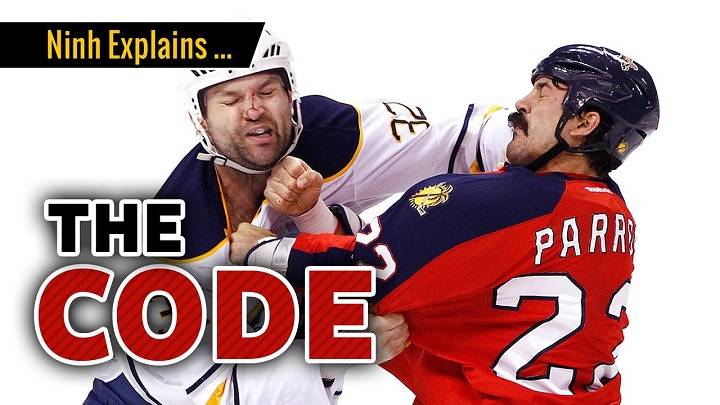
Hockey, often dubbed as the fastest sport on ice, is renowned not only for its speed and skill but also for its physicality. Embedded within the fabric of the game is an unspoken code, a unique aspect that sets it apart from other sports—fighting. While fighting in hockey may seem barbaric to some, to enthusiasts, it’s a strategic element deeply ingrained in the sport’s culture. Let’s delve into the intriguing world of hockey fighting rules throughout history.
Origins of Hockey Fighting
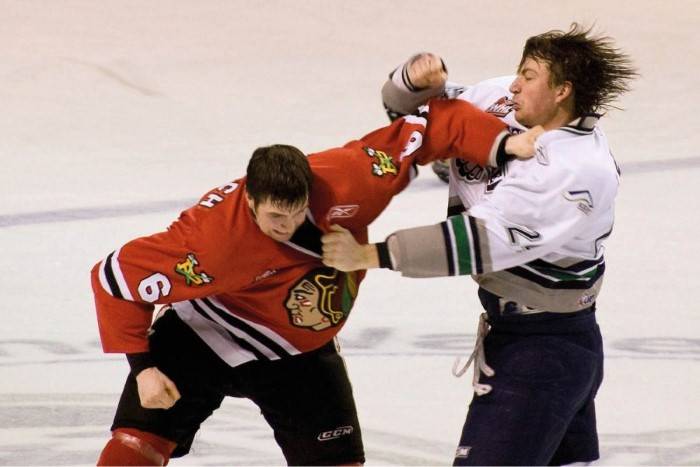
To understand the evolution of hockey fighting rules, we must first explore its origins. The sport traces its roots back to the frozen ponds of Canada in the 19th century, where physicality was an integral part of the game. As hockey gained popularity and evolved into a professional sport, so did the intensity of the competition.
Early on, fighting in hockey was more of a spontaneous reaction to on-ice altercations rather than a regulated aspect of the game. Players would settle disputes through fisticuffs, often without interference from officials or penalties from the league.
Establishment of Fighting Rules
As the sport grew, so did the need for regulation. The National Hockey League (NHL), founded in 1917, began implementing rules to govern fighting on the ice. However, it wasn’t until the 1920s that fighting became a punishable offense, with players facing ejection from the game.
Over the decades, the NHL refined its rules regarding fighting, aiming to strike a balance between maintaining the physical aspect of the game while ensuring player safety. Penalties for fighting typically result in a five-minute major penalty for both players involved, along with potential fines and suspensions, depending on the severity of the altercation.
The Role of Fighting in Hockey
While fighting in hockey may seem like a relic of a bygone era, its role in the sport remains significant. Advocates argue that fighting serves as a form of self-policing, deterring players from engaging in dangerous or dirty plays. By allowing players to settle disputes on the ice, it prevents tensions from boiling over and promotes a sense of camaraderie among teammates.
Moreover, fighting can act as a momentum shifter within a game. A well-timed fight can energize a team and its fans, sparking a comeback or rallying morale during a rough patch. In this sense, fighting becomes more than just a physical altercation—it’s a strategic tool utilized by players and coaches alike.
Evolution of Fighting Tactics
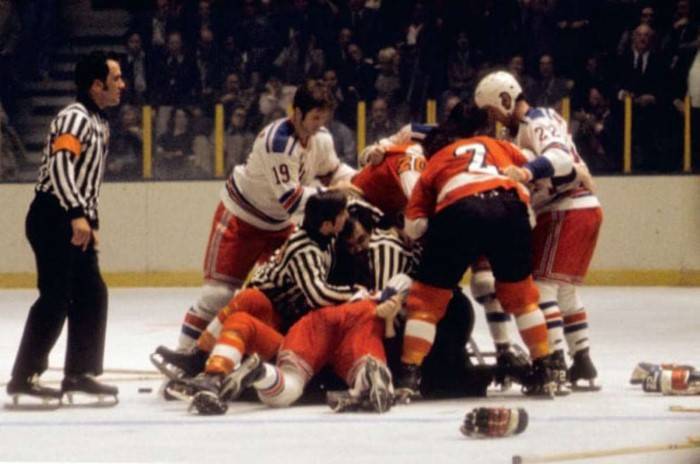
Throughout the years, fighting in hockey has evolved from simple brawls to a more tactical approach. Enforcers, players whose primary role is to protect teammates and intimidate opponents, became a common sight on NHL rosters during the 1970s and 1980s. These players were skilled fighters who could also contribute in other aspects of the game, such as hitting and penalty killing.
However, with the shift towards a faster, more skill-based style of play in recent years, the role of the enforcer has diminished. Teams now prioritize speed and skill over brute force, leading to a decline in the frequency of fights in the NHL.
Controversy Surrounding Fighting
Despite its deep-rooted history in the sport, fighting in hockey is not without its controversies. Critics argue that it promotes violence and sends the wrong message, especially to younger fans and aspiring players. Concerns over player safety, particularly regarding head injuries and the long-term effects of concussions, have prompted calls for stricter penalties and even outright bans on fighting.
In recent years, the NHL has taken steps to address these concerns, implementing rule changes aimed at reducing the incidence of fighting and improving player safety. However, the debate over the role of fighting in hockey continues to divide fans, players, and league officials alike.
The Origin of Hockey Fighting
To understand the phenomenon of fighting in hockey, we must first delve into its origins. While the exact inception is debatable, hockey’s physical nature has been evident since its early days. In the late 19th and early 20th centuries, when the sport was still evolving, fights would often erupt spontaneously during games, with little regulation or repercussion.
As hockey continued to develop, fighting became more commonplace, serving as a form of self-policing among players. In the rough-and-tumble world of early hockey, where penalties were minimal and referees had limited authority, players took it upon themselves to settle disputes on the ice. This led to the emergence of enforcers, players valued not only for their skill but also for their ability to intimidate opponents and protect teammates through physical confrontation.
The Unwritten Rules
While hockey fighting lacks explicit rules outlined in the official rulebook, it is governed by a set of unwritten codes and traditions passed down through generations of players. These unwritten rules dictate when and how fights occur, as well as the etiquette observed by those involved.
One such rule is the notion of “honorable combat.” While fights in hockey are often intense and emotional, there is an expectation that participants will engage in a fair and respectful manner. This includes refraining from targeting vulnerable opponents, such as those who are injured or unwilling to fight.
Additionally, there is an understanding that fights should serve a purpose beyond mere spectacle. Whether it’s to defend a teammate, respond to a perceived injustice, or shift momentum in a game, fights are often viewed as strategic maneuvers rather than senseless violence.
The Role of Enforcers
Central to the tradition of hockey fighting are the enforcers, players whose primary role is to protect teammates and intimidate opponents through physicality. While enforcers are often skilled athletes in their own right, they are primarily valued for their willingness to drop the gloves and engage in fisticuffs when necessary.
Throughout hockey history, enforcers have played a pivotal role in shaping the dynamics of the game. They serve as a deterrent against cheap shots and dirty play, knowing that any transgressions will be met with swift retribution. In this way, enforcers act as enforcers of the unwritten rules, ensuring that the code of conduct is upheld on the ice.
Controversies and Criticisms
Despite its entrenched position in hockey culture, fighting has not been without its controversies. Critics argue that fighting has no place in a modern, professional sport, citing concerns about player safety, the glorification of violence, and the potential for serious injury.
Indeed, the physical toll of hockey fighting cannot be understated. While players wear protective equipment, they are still susceptible to concussions, broken bones, and other injuries resulting from on-ice altercations. In recent years, the long-term effects of repeated head trauma have come under increased scrutiny, prompting calls for stricter penalties and greater emphasis on player safety.
Furthermore, the role of enforcers has diminished in recent years, as the emphasis in hockey has shifted toward speed, skill, and finesse. With teams prioritizing skillful playmakers over rugged enforcers, the traditional enforcer role has become less prevalent in the modern game.
The Future of Hockey Fighting
As the sport of hockey continues to evolve, the future of fighting remains uncertain. While some advocate for its elimination altogether, others argue that fighting is an essential part of the game’s identity, rooted in tradition and history.
Ultimately, the fate of hockey fighting will be determined by a combination of factors, including changes in league rules, advances in player safety measures, and shifts in societal attitudes towards violence in sports. Whatever the outcome, one thing is certain: the tradition of hockey fighting has left an indelible mark on the sport, shaping its culture and identity for generations to come.
Related Post:
Decoding Basketball Assists: The Unsung Heroes of the Game
Understanding Field Goals in Basketball: A Comprehensive Guide
Mastering the Art of Volleyball Service: A Comprehensive Guide to Service Rules
Hockey fighting rules have evolved significantly since the early days of the sport, reflecting changes in the game’s culture, strategy, and emphasis on player safety. While fighting remains a contentious issue, its place in hockey’s history is undeniable. Whether viewed as a necessary component of the game or an antiquated relic of the past, one thing is certain—hockey fighting will continue to spark debate and intrigue for years to come. As the sport evolves, so too will the rules governing this unique aspect of hockey culture.