

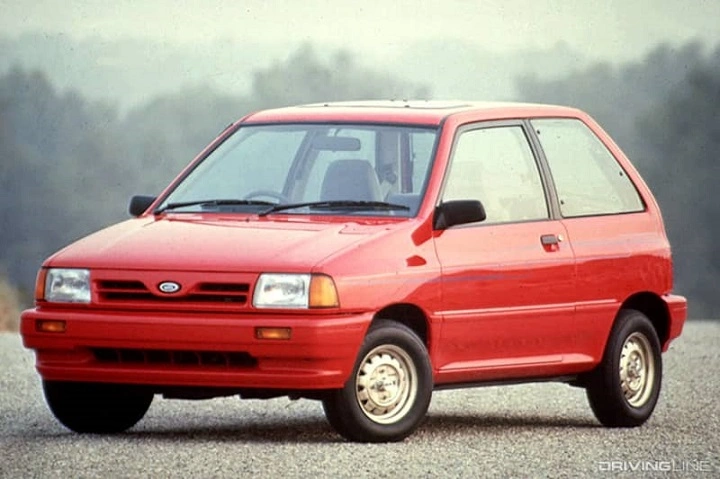
The Ford Festiva, a compact car produced by Ford in partnership with Mazda, was a popular entry-level vehicle in the late 1980s and early 1990s. Known for its fuel efficiency, affordable pricing, and small size, the Festiva gained a loyal following and became an economical choice for drivers looking for a basic, budget-friendly car. Although production of the Ford Festiva ended in the mid-2000s, it remains an iconic and nostalgic model for car enthusiasts. In this guide, we’ll take a closer look at the Ford Festiva, exploring its features, performance, pricing, and tips for potential buyers in the used car market.
Overview of the Ford Festiva
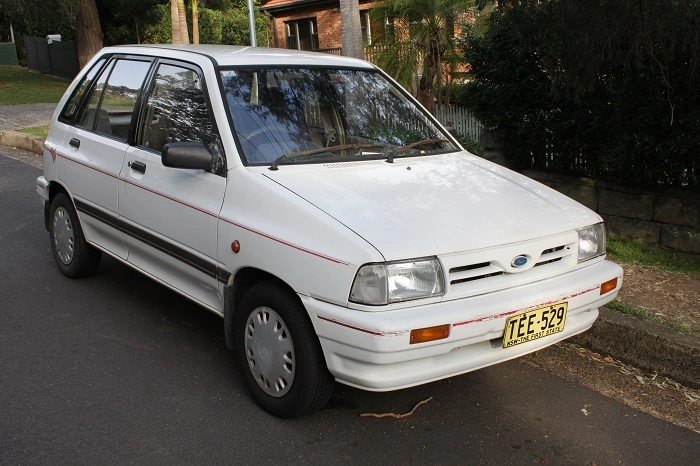
The Ford Festiva was a compact, subcompact vehicle that was introduced in the United States in 1988. It was developed through a partnership between Ford and Mazda, with the Festiva being based on the Mazda 121. The car was primarily marketed as an affordable and economical option for those seeking basic transportation. The Festiva was well-regarded for its small size, which made it easy to park and maneuver in urban environments, as well as for its impressive fuel efficiency.
Key Features:
- Fuel Efficiency: One of the standout features of the Ford Festiva was its excellent fuel economy, which made it a great option for those who wanted to save money on gas.
- Compact Design: The Festiva’s small size made it ideal for city driving, parking in tight spaces, and navigating crowded streets.
- Affordable Price: As an entry-level car, the Festiva was designed to be budget-friendly, offering basic features without the added costs of more expensive models.
- Practicality: The car provided a simple, no-frills driving experience that appealed to budget-conscious buyers.
Performance and Engine Options
The Ford Festiva was known for its simplicity, both in design and performance. It was not intended to be a high-performance vehicle, but its small size and lightweight made it an agile and fuel-efficient car. It offered basic engine options that suited its intended use as a budget-friendly commuter car.
1.3L I4 Engine
- Power: Approximately 63 horsepower and 70 lb-ft of torque.
- Performance: The 1.3L engine provided modest power, which was sufficient for the car’s light weight. It wasn’t built for speed but offered adequate acceleration for city driving.
- Fuel Efficiency: One of the key selling points of the Festiva was its fuel economy. The 1.3L engine provided impressive gas mileage, often achieving upwards of 30-40 MPG, depending on the model and driving conditions.
Transmission Options
- 4-Speed Manual Transmission: Most base models of the Festiva came with a 4-speed manual transmission, which provided simplicity and reliability.
- 3-Speed Automatic Transmission: Some higher trims offered a 3-speed automatic transmission, making the car easier to drive, particularly for those who preferred automatic shifting.
Interior and Comfort
The interior of the Ford Festiva was designed with simplicity and affordability in mind. The car featured basic materials and a minimalist design, which was typical for subcompact cars of its era. Despite its small size, the Festiva was functional and provided enough space for daily commuting.
Seating Capacity and Materials
- Seating: The Festiva was designed to seat up to four passengers, offering basic but comfortable seating arrangements. The rear seats were relatively small, so it was best suited for two adults or smaller passengers in the back.
- Upholstery: Most models featured cloth upholstery, which was durable but not particularly luxurious. The focus was on functionality rather than premium materials.
Technology and Infotainment
- Basic Audio System: The Ford Festiva typically came equipped with a basic AM/FM radio, cassette player, and a few other essential audio features. There were no high-end infotainment systems or advanced connectivity features, as the car was meant to offer simple, economical transportation.
- Climate Control: Basic air conditioning and manual windows were available, with higher trims offering slightly more comfort and convenience options.
Cargo Space
- Trunk Capacity: The Ford Festiva had a small trunk with limited storage space, but the rear seats could be folded down to increase cargo capacity. The compact size of the car meant that it was not designed for large amounts of luggage, but it offered enough room for everyday items like groceries and small bags.
Safety Features
Given its age and the era in which it was produced, the Ford Festiva lacked many of the advanced safety features we expect in modern cars. However, it did include basic safety features, which were typical for vehicles in its class during the late 1980s and early 1990s.
Standard Safety Features:
- Seat Belts: The Festiva was equipped with standard lap and shoulder seat belts for all passengers, which was a basic safety feature at the time.
- Airbags: Early models of the Festiva did not include airbags, but later models introduced driver and passenger airbags as an option.
- Brakes: The Festival featured drum brakes in the rear and disc brakes in the front. While it lacked the advanced braking systems found in modern cars, it provided adequate stopping power for its size and weight.
Crash Test Ratings:
As the Ford Festiva was produced decades ago, it was not subjected to modern crash testing or safety standards. Therefore, its safety ratings are difficult to compare to newer vehicles. As a result, prospective buyers should keep in mind that the Festiva may not provide the same level of protection as modern cars, especially in terms of crash safety and advanced driver-assist technologies.
Pricing and Availability
The Ford Festiva was originally sold at a very affordable price point, making it a popular choice for budget-conscious buyers. However, since it is no longer in production, those interested in purchasing a Ford Festiva today will find it only available on the used car market.
Estimated Pricing for Used Models:
- Early Models: Used Ford Festivas from the late 1980s and early 1990s are generally priced between $2,000 to $5,000, depending on the condition and mileage of the vehicle.
- Later Models: Later models, particularly those from the mid-1990s, may range from $4,000 to $7,000 if they are in good condition and have low mileage.
- Condition and Mileage: Pricing can vary widely depending on the condition of the car, with well-maintained Festivas or those with low mileage potentially fetching higher prices.
Factors Influencing Price:
- Condition: The overall condition of the vehicle, including the exterior, interior, and mechanical components, will play a significant role in determining its price.
- Location: Prices can vary based on location, with Festivals in regions where classic cars are in demand potentially being priced higher.
- Mileage: A lower-mileage Festiva will typically command a higher price due to its potential for longer-term reliability and fewer issues.
Tips for Buying a Ford Festiva
Inspect the Vehicle Thoroughly
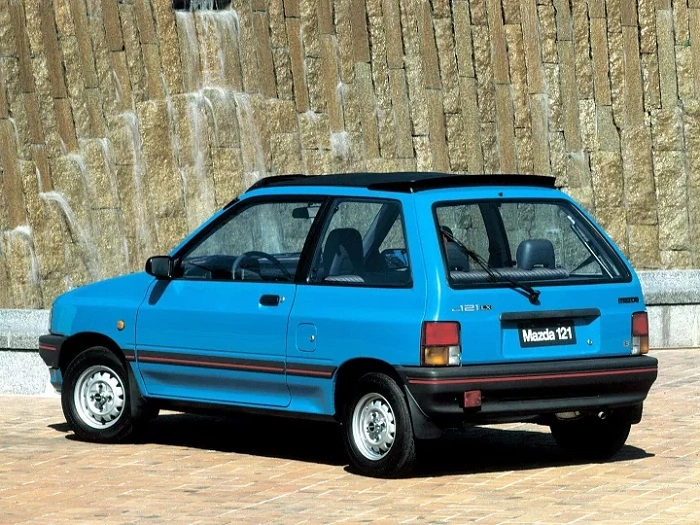
If you’re considering buying a used Ford Festiva, it’s essential to have the car thoroughly inspected by a mechanic to check for rust, engine condition, and other potential issues. Pay special attention to the frame, suspension, and exhaust system, as these parts are prone to wear in older vehicles.
Check for Rust
As a compact car that was built many years ago, rust can be a significant issue with Ford Festiva models, especially those from regions where vehicles are exposed to salt in the winter. Inspect the body and undercarriage for rust to ensure that the car is structurally sound.
Consider Fuel Efficiency
One of the main selling points of the Ford Festiva is its fuel efficiency. Make sure to check the car’s fuel economy to see how it compares to your needs and expectations. While it won’t offer the high-tech fuel efficiency of newer vehicles, it can still save money on gas compared to larger, less efficient cars.
Look for Records of Maintenance
When buying a used Ford Festiva, try to obtain maintenance records to ensure that the vehicle has been well-maintained and that major repairs or issues have been addressed. This can help avoid purchasing a car that will require costly repairs in the near future.
The Ford Festiva remains a beloved model for those who appreciate its simplicity, reliability, and affordability. While it may not offer the modern features and safety technologies found in newer cars, the Festiva provides an economical option for buyers looking for a budget-friendly vehicle. If you’re considering buying a used Ford Festiva, be sure to carefully inspect the vehicle and evaluate its condition to ensure you’re making a sound investment.