

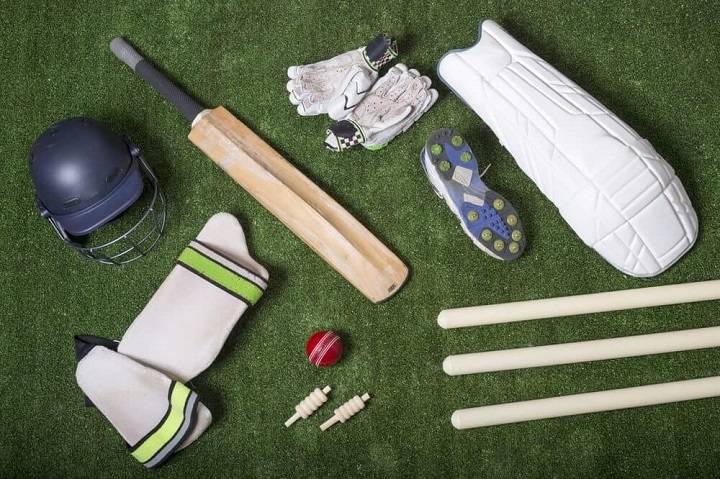
Cricket, a sport that resonates with fans across the globe, is a harmonious interplay of skill, strategy, and a myriad of specialized equipment. As players step onto the field, the array of gear they carry not only defines their performance but also reflects the intricate design and engineering that goes into crafting cricket equipment. In this exhaustive exploration, we unravel the names, nuances, and significance behind the various pieces of cricket equipment, delving into the bats, balls, protective gear, and accessories that together compose the symphony of cricket.
Cricket Bats: The Art of Scoring Runs
Willow Types:
English Willow:

Prized for its superior performance, English willow bats are crafted from the Salix alba caerulea tree. They are favored by professional players for their responsiveness and power.
Kashmir Willow:
Kashmir willow bats offer a more affordable alternative, sourced from the Salix alba tree. While not as premium as English willow, they provide decent performance and are popular among amateur players.
Bat Parts:
Blade:
The main hitting surface of the bat.
Handle:
The portion of the bat gripped by the player.
Toe:
The bottom part of the bat.
Bat Categories:
Test Bats:
Designed for longer formats, with a heavier profile for enduring pace and swing.
One-Day Bats:
Lighter bats, suitable for limited-overs formats, focusing on stroke play and quick runs.
T20 Bats:
Ultra-lightweight and designed for aggressive, fast-paced play in T20 cricket.
Signature Bats:
Player Endorsements:
Many professional cricketers have signature bat models, featuring their name and specific design preferences.
Iconic Bats:
Bats associated with historic performances or iconic players often bear commemorative names.
Cricket Balls: Crafting Swing and Spin
Types of Balls:
Red Ball:

Used in Test cricket and some First-Class matches, the red ball swings more and maintains its shine longer.
White Ball:
Used in limited-overs formats, the white ball is more visible under lights and tends to swing less than the red ball.
Branding and Design:
Manufacturer Names:
Prominent cricket ball manufacturers, such as Kookaburra and Dukes, have branded balls associated with their distinct characteristics.
Seam and Stitching:
Balls are named based on their seam construction and stitching patterns, influencing swing and seam movement.
Pink Ball:
Day-Night Tests:
The pink ball is used in day-night Test matches, designed to offer improved visibility under artificial lights.
Enhanced Visibility:
Pink balls are often branded with names highlighting their visibility and performance in low-light conditions.
Protective Gear: Shielding Warriors on the Field
Helmets:
Full-Face Helmets:
Provide comprehensive protection to the face and head.
Visor Helmets:
Feature a visor for facial protection, commonly used by batsmen.
Player Edition Helmets:
Endorsed by professional players, often featuring signature designs.
Pads and Guards:
Batting Pads:
Protect the legs from fast bowlers, named based on their design and features.
Thigh Guards:
Strap-on guards to protect the thigh area while batting.
Chest Guards:
Offer protection to the chest region, especially for batsmen facing fast bowling.
Gloves:
Wicketkeeping Gloves:
Designed for wicketkeepers, offering flexibility and protection.
Batting Gloves:
Varying in design, naming conventions often reflect features such as finger protection and grip.
Body Armor:
Abdominal Guards:
Cricket boxes or abdominal guards protect the groin area.
Arm Guards:
Used by batsmen to shield the forearm against fast bowling.
Chest Protectors:
Provide additional protection to the chest region.
Footwear: Traction and Comfort
Types of Cricket Shoes:
Bowling Shoes:
Designed for bowlers, offering grip and support during the bowling action.
Batting Shoes:
Cushioned footwear for batsmen, emphasizing comfort and stability during strokes.
All-Round Shoes:
Versatile shoes suitable for both batting and bowling.
Spikes and Studs:
Metal Spikes:
Offer superior traction but are restricted in some formats to prevent injuries.
Rubber Studs:
Provide adequate grip without the risk of injury, commonly used in limited-overs cricket.
Branding and Endorsements:
Player Edition Shoes:
Cricket shoe manufacturers often release player-endorsed models, featuring names of cricketing icons.
Brand-Specific Technologies:
Shoes may be named based on proprietary technologies introduced by manufacturers.
Cricket Accessories: Completing the Ensemble
Cricket Bags:
Duffle Bags:
Preferred by many players for their spacious design.
Wheelie Bags:
Equipped with wheels for easy transportation, especially for players carrying a significant amount of gear.
Backpacks:
Compact and convenient for players with minimal equipment.
Grips and Bat Tapes:
Bat Grips:
Rubber or fabric grips wrapped around the handle for better control.
Bat Tapes:
Protective tapes applied to the edges and toe of the bat to enhance durability.
Sunglasses:
Polarized Sunglasses:
Protective eyewear designed to reduce glare, often used by fielders in bright sunlight.
Brand Endorsements:
Sunglasses endorsed by cricketers often carry their names or initials.
Customization and Personalization
Customized Gear:
Player-Specific Modifications:
Professional players often request customized modifications to suit their preferences.
Personalized Logos and Names:
Some players opt for personalized logos or names on their gear for a unique touch.
Limited-Edition Equipment:
Commemorative Releases:
Manufacturers may release limited-edition equipment to commemorate events, milestones, or player achievements.
Collectors’ Items:
Limited-edition gear often becomes sought-after collectors’ items among cricket enthusiasts.
Evolution of Cricket Equipment
Technological Advancements:
Materials and Construction:
The evolution of cricket equipment names reflects advancements in materials like carbon fiber and design innovations to enhance performance.
Smart Technologies:
Introduction of smart technologies, such as sensors in bats and helmets, may influence the naming of technologically advanced gear.
Stylistic Trends:
Color and Aesthetics:
Changing trends in color and aesthetics influence the names and branding of cricket equipment.
Retro Revival:
Some manufacturers release gear with retro designs, accompanied by names that evoke nostalgia.
Related Post:
Essential Equipment of Basketball: A Comprehensive Guide
Basic Skills in Basketball: Mastering the Fundamentals
How Many Periods in Hockey: A Comprehensive Guide to Game Duration
In the vast tapestry of cricket, each piece of equipment contributes to the symphony played out on the field. From the resounding strokes of a well-crafted bat to the precision of a seam bowler’s delivery, the names of cricket equipment echo the legacy and evolution of the sport.
As players don their gear, they carry with them not just the weight of protective layers but the legacy of cricketing legends and the innovation of modern craftsmanship. The names of cricket equipment become more than mere identifiers; they are the notes in a melody, the rhythm in a game where tradition and innovation coalesce. So, whether it’s the swish of a bat, the thud of a ball hitting the stumps, or the rustle of protective gear, each sound tells a story—a story of passion, skill, and the enduring spirit of cricket.