

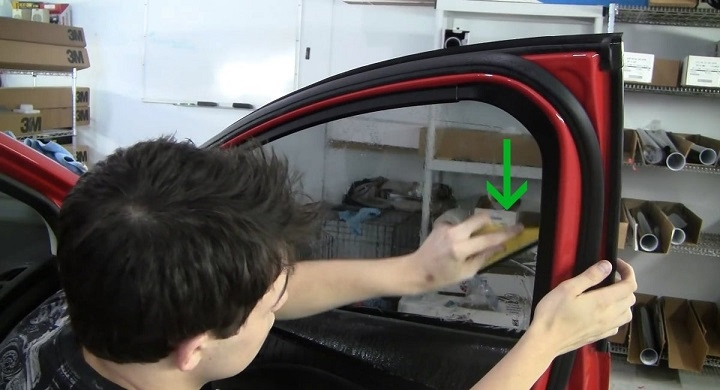
One of the most popular automobile modifications is tinting windows. It cools down rides, gives privacy, rejects glare, and lends a sophisticated touch to vehicles. Most drivers are curious to know how to tint car windows themselves because professional services do not come for free. The fact is: it can be done yourself with a little patience, the right tools, and a clean workspace.
This is a guide on how to tint car windows from beginning to end. It includes laws, types of films, preparation, tools, installation, and aftercare. It also highlights potential mistakes and how to steer clear of them. Refer to this prior to starting, and your tint can resemble one that was done by a professional shop.
Laws and Expectations
Research local laws
Tint is not only a matter of style. In all states and nations, there are laws governing how dark window tint can be, measured in VLT (Visible Light Transmission). The darker the tint, the less the VLT.
- Dark tint is generally OK on rear windows in most places.
- Front windows generally require a lighter tint for safety.
- Windscreens generally permit only a narrow top strip.
Disregarding tint laws can result in a fine, inspection failure, or even insurance problems. Always ask before purchasing a film.
Insurance and warranties
Insurance providers and certain automobile manufacturers disallow certain films because of sensors or cameras. Check your car manual and insurance policy. If in doubt, call your provider first before tinting.
Be realistic
Do not anticipate your initial tint work to be perfect. A few specks of dust or some haze when curing are typical. Safe vision, legality, and tidy edges are most significant.
Comprehending Tint Film
What tint does
Window film is a thin adhesive polyester film. It:
- Filters out UV rays (as much as 99%)
- Minimizes in-car heat
- Reduces headlight and sun glare
- Holds glass together if it’s hit
- Improves appearance and privacy
Tint film types
- Dyed film: Cheapest. Darker film than others but very little heat rejection. Fades sooner.
- Metalized film: Good heat rejection but can interfere with GPS or keyless entry signals.
- Carbon film: Matte finish, durable, excellent heat rejection. No signal interference.
- Ceramic film: Premium product. Best heat and UV rejection, color stability, signal-friendly. Justifies the high cost.
- Clear UV film: Almost invisible. Provides UV and heat protection without darkening.
Precut kits vs bulk rolls
- Precut kits: Film is precut to your vehicle model. Easier for a beginner.
- Bulk rolls: Less costly per foot, can be applied to multiple vehicles, but require trimming skill.
Tools and Workspace
Basic tools
- Window film
- Water spray bottle with baby shampoo mixed in
- Squeegees: hard, soft
- Utility knife with new blades
- Microfiber towels
- Heat gun or powerful hair dryer
- Razor scraper for cleaning glass
- Isopropyl alcohol
Useful extras
- Bonded dirt-removing clay bar
- Masking tape for holding film in place
- Panel tools for accessing seals
- Tint removal steamer
Setup workspace
Shade in garage or under a shaded area. Sweep the floors. Spray water in the air to bring the dust down. Turn the fans off. Lighter light shows bubbles easier. A clean, stationary environment is required.
Preparing the Car
Clean the glass
Wash outside and inside with car soap. Dry with microfiber towels. Scrape interior glass with a wet razor blade to remove stickers, adhesive, and other residue. Clay bar for persistent grit. Finish with an alcohol wipe.
Clean edges and seals
Dirt accumulates in window seals. Wrap a towel around a card and run it through the seals. This prevents debris from entering under the film during application.
Shaping the Film
Most windows are not flat. Flat film must be heat-formed to fit.
Dry shrink method
- Put the film liner-side down on the outside of the clean glass.
- Press down gently in the center to hold in place.
- Sprinkle with baby powder or wipe with a dryer sheet to avoid sticking.
- Heat gun high spots and flatten fingers with a felt card.
- Work slowly from the center outward.
Wet shrink method
Mist a fine spray of water between glass and film before shrinking. The film is easier to move, but requires practice.
Trim the template
Cut the film roughly 1–2 mm larger than the window. Leave on the outside until inside is ready.
Installing the Film
- Wet the glass: Put plenty of slip solution on the interior of the window.
- Peel and wet the film: Peel the liner, wet adhesive side with solution. Keep wet so dust cannot stick.
- Position film: Bring wet film inside. Place the top edge first. Tuck a small section under top seal if possible.
- Fasten with soft strokes: Use a soft squeegee outward from the center. Make light passes to place film without pulling it.
- Tuck bottom: Roll window down a little. Use a wrapped card to push the bottom edge of the film into the seal. Roll window back up.
- Firm squeegee pass: Switch to a firm squeegee. Use firm pressure with overlapping strokes from the center out to the edges. Push water out completely.
- Trim and seal: Trim excess film from edges with a sharp knife. Seal edges by running a felt card along them. Heat small bubbles until flat.
The Rear Window
The greatest difficulty is the curved rear glass. Professionals usually install one piece, laboriously shrunk. Amateurs can install two or three vertical strips, overlapping them along defroster lines. Either method is acceptable if cleanly done.
Always drape the rear deck with towels to prevent water damage to speakers or electronics.
Smaller Windows and Special Situations
- Quarter windows: Simple. Clean well, apply the precut piece, squeegee once.
- Frameless doors: Tint with glass half rolled down. Roll up after installation to seal the top edge.
- Rubber seals: Use a Teflon strip or taped card to get the film under tight seals without stretching it.
Common Errors and Solutions
- Dust specks: Caused by poor cleaning. Lift corner of film, spray, wipe off speck, and smooth again.
- Creases: Caused by pressing too hard. Small ones can be eased with some heat.
- Edge lift: Caused by poor sealing. Reheat edges, press down with felt card.
- Light gaps: Caused by cutting too small. Needs redo.
- Silvering dots: Around dotted areas, more heat and pressure are needed.
Aftercare
- Do not roll down windows for 48 hours. In cold weather, wait more.
- Some haze or water bubbles are normal during curing. They disappear in 1–2 weeks.
- Clean only with ammonia-free glass cleaner and microfiber. Spray cleaner on towel, not on glass.
Cost and Value
- DIY cost: $60–$250 for film and tools
- Professional tinting: $200–$800 depending on film and car size
- DIY time: 4–6 hours for a beginner
DIY is cheaper but takes patience. Professional installation is quicker and usually comes with warranty.
When to Use a Pro
- If your car has a difficult rear window
- If you want premium ceramic tint installed perfectly
- If your workspace is dusty or cold
- If you have no time to practice
Always ask shops about film brands, warranties, and how they safeguard sensitive trims.
Benefits Beyond Style
Tint offers more than looks. It:
- Guards interior and skin from UV rays
- Minimizes glare for a safer drive
- Makes cabin heat and A/C less necessary
- Creates privacy in heavy traffic
FAQs
How long does tint last?
Good quality film 5–10 years. Ceramic can be longer.
What’s the best shade to drive at night?
Use lighter shades such as 35%–50% on front windows for visibility.
Can tint interfere with electronics?
Metalized film can. Carbon and ceramic films cannot.
How do I remove the old tint?
The steam or ammonia bag method works. Always clean glue completely before reapplying.
Is DIY tint worth it?
Yes, if you’re patient and follow steps. For perfect results, pros are faster and guaranteed.
Tinting your own car windows is a rewarding DIY project. It takes careful prep, clean technique, and patience. Choose the right film, set up a dust-free space, and follow step-by-step installation. Even if the first attempt isn’t perfect, you’ll gain skill.
Window tinting offers style, comfort, UV protection, and privacy. It’s a valuable upgrade that makes driving more enjoyable and increases vehicle value, whether done professionally or DIY.