

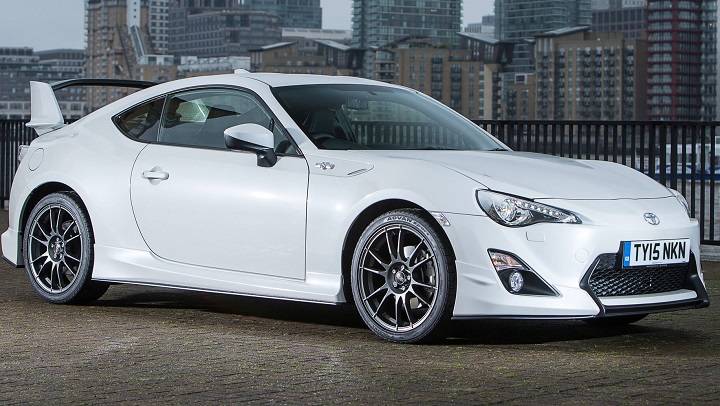
The Toyota sports car GT 86 has carved a niche for itself in the world of sports cars. Known for its agile handling, sleek design, and impressive performance, the GT 86 is a favorite among car enthusiasts. In this comprehensive guide, we will explore the history, features, performance, and significance of the Toyota sports car GT 86. Whether you’re a potential buyer, a car enthusiast, or simply curious about this iconic model, this guide will provide all the information you need.
Introduction to the Toyota Sports Car GT 86
The Origin of the GT 86
The Toyota sports car GT 86 was first introduced in 2012 as a collaboration between Toyota and Subaru. Known as the Toyota 86 in some markets, the car was designed to bring back the essence of classic sports cars with a focus on driving enjoyment, agility, and affordability.
Design Philosophy
The design philosophy behind the Toyota sports car GT 86 emphasizes lightweight construction, rear-wheel drive, and a low center of gravity. This combination ensures an exhilarating driving experience and precise handling, making it a standout in its class.
Key Features of the Toyota Sports Car GT 86
Exterior Design
The exterior design of the Toyota sports car GT 86 is characterized by its sleek lines, aggressive front fascia, and aerodynamic profile. Key features include:
- Aerodynamic Body: The GT 86 features a low-slung, aerodynamic body that enhances performance and stability.
- Stylish Front End: The bold front grille, sharp headlights, and sculpted hood give the GT 86 a distinctive and sporty look.
- Compact Dimensions: The compact dimensions contribute to the car’s agility and ease of maneuverability.
Interior Design
Inside, the Toyota sports car GT 86 offers a driver-focused cockpit with high-quality materials and modern technology. Key interior features include:
- Sporty Seats: The GT 86 comes with supportive, comfortable seats designed to keep the driver in place during spirited driving.
- Advanced Infotainment: The car is equipped with an intuitive infotainment system that includes navigation, Bluetooth connectivity, and premium audio options.
- Driver-Centric Layout: The interior layout is designed to keep all controls within easy reach, emphasizing the driver’s connection with the car.
Performance and Handling
Performance is where the Toyota sports car GT 86 truly shines. Key performance features include:
- Boxer Engine: The GT 86 is powered by a 2.0-liter flat-four “boxer” engine, co-developed with Subaru, producing around 200 horsepower.
- Rear-Wheel Drive: The rear-wheel-drive setup provides balanced handling and a more engaging driving experience.
- Lightweight Construction: The use of lightweight materials ensures nimble handling and quick acceleration.
- Precision Handling: The car’s suspension setup and low center of gravity contribute to its precise and responsive handling.
Evolution of the Toyota Sports Car GT 86

First Generation (2012-2020)
The first-generation Toyota sports car GT 86 was launched in 2012 and quickly gained popularity for its blend of performance, affordability, and classic sports car characteristics. It received several updates over the years, including improved interior features and minor exterior tweaks.
Second Generation (2022-Present)
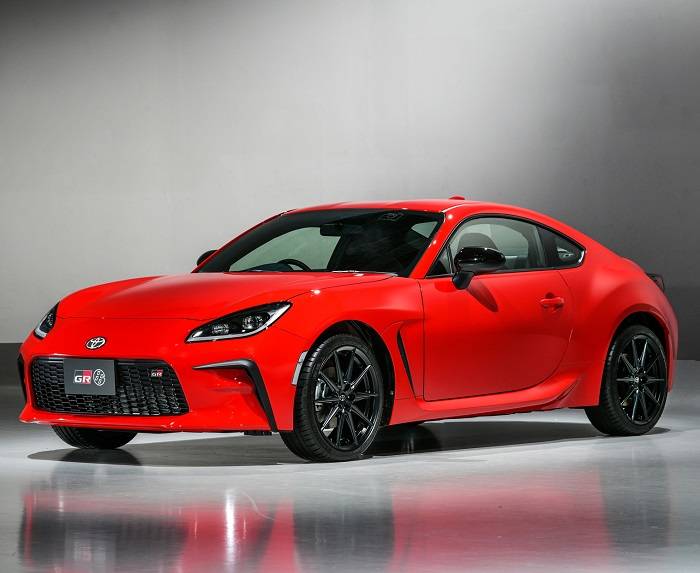
The second-generation GT 86, also known as the Toyota GR 86, was introduced in 2022. It features a more powerful 2.4-liter engine, producing 228 horsepower, and comes with enhanced technology and safety features. The new model continues to build on the legacy of its predecessor while offering improved performance and modern amenities.
Comparing the Toyota Sports Car GT 86 to Its Rivals
Mazda MX-5 Miata
The Mazda MX-5 Miata is a direct competitor to the Toyota sports car GT 86. Both cars emphasize lightweight construction and driving enjoyment. Key differences include:
- Performance: The GT 86 offers more power with its 2.0-liter engine compared to the Miata’s 1.5-liter or 2.0-liter options.
- Body Style: The GT 86 is a coupe, while the Miata is available as a convertible.
- Handling: Both cars offer excellent handling, but the Miata’s smaller size may appeal to those looking for an even more compact sports car.
Subaru BRZ
The Subaru BRZ is essentially a twin to the Toyota sports car GT 86, co-developed by Toyota and Subaru. Key similarities and differences include:
- Engine and Performance: Both cars share the same engine and performance characteristics.
- Design: The BRZ has slight design variations, but overall, it’s very similar to the GT 86.
- Brand Preference: Choosing between the two often comes down to brand preference and minor feature differences.
Ford Mustang
The Ford Mustang offers a different approach to the sports car experience compared to the Toyota sports car GT 86. Key differences include:
- Power: The Mustang offers a range of more powerful engine options, including a V8.
- Size: The Mustang is larger and heavier, providing a different driving experience.
- Price: The Mustang can be more expensive, especially in higher trims.
Table: Key Specifications of the Toyota Sports Car GT 86
| Specification | First Generation (2012-2020) | Second Generation (2022-Present) |
| Engine | 2.0-liter flat-four | 2.4-liter flat-four |
| Horsepower | 200 HP | 228 HP |
| Torque | 151 lb-ft | 184 lb-ft |
| 0-60 MPH | ~6.2 seconds | ~5.6 seconds |
| Transmission | 6-speed manual/automatic | 6-speed manual/automatic |
| Drivetrain | Rear-wheel drive | Rear-wheel drive |
| Fuel Economy (City/Hwy) | 24/32 MPG | 20/27 MPG |
The Significance of the Toyota Sports Car GT 86

Reviving the Sports Car Spirit
The Toyota sports car GT 86 is significant because it revives the spirit of classic sports cars. Its focus on driving enjoyment, balanced performance, and affordability makes it accessible to a wide range of enthusiasts.
Collaboration with Subaru
The collaboration between Toyota and Subaru for the development of the GT 86 and BRZ showcases the benefits of combining expertise from two renowned automakers. This partnership has resulted in a car that excels in performance and reliability.
Popularity Among Enthusiasts
The GT 86 has gained a strong following among car enthusiasts. Its mod-friendly platform allows owners to customize and enhance their cars, making it a popular choice for tuning and modification.
Motorsport Involvement
The GT 86 has seen success in various motorsport events, including drifting and racing competitions. Its agile handling and balanced performance make it a formidable contender on the track.
Tips for Potential Buyers of the Toyota Sports Car GT 86
Consider Your Driving Needs
Think about how you plan to use the GT 86. If you’re looking for a daily driver with sporty characteristics, the GT 86 is an excellent choice. If you plan to use it primarily for track days, consider investing in performance upgrades.
Test Drive
Always take the GT 86 for a test drive to get a feel for its handling and performance. Pay attention to how it drives in different conditions and whether it meets your expectations.
Research Maintenance and Ownership Costs
While the GT 86 is relatively affordable, it’s important to research maintenance and ownership costs. Regular maintenance is crucial to keep the car in top condition, and potential buyers should be aware of any recurring expenses.
Explore Customization Options
The GT 86 is known for its mod-friendly nature. If you enjoy customizing your car, explore the various aftermarket parts and accessories available for the GT 86. From performance upgrades to aesthetic enhancements, there are plenty of options to make the car uniquely yours.
Frequently Asked Questions (FAQs)
1. What makes the Toyota sports car GT 86 unique?
The Toyota sports car GT 86 is unique due to its lightweight construction, rear-wheel drive, and low center of gravity, which provide an exhilarating driving experience and precise handling. Its design philosophy emphasizes driving enjoyment and agility.
2. How does the GT 86 compare to the Subaru BRZ?
The Toyota sports car GT 86 and Subaru BRZ are essentially twins, co-developed by Toyota and Subaru. They share the same engine, performance characteristics, and overall design, with minor differences in styling and features.
3. Is the GT 86 suitable for daily driving?
Yes, the Toyota sports car GT 86 is suitable for daily driving. It offers a comfortable interior, advanced infotainment system, and practical features, making it a great choice for those who want a sporty car for everyday use.
4. What are the key performance features of the GT 86?
Key performance features of the Toyota sports car GT 86 include a 2.0-liter or 2.4-liter flat-four boxer engine, rear-wheel drive, lightweight construction, and precision handling. These features contribute to its engaging and agile driving experience.
5. Can the GT 86 be customized?
Yes, the Toyota sports car GT 86 is known for its mod-friendly nature. There are numerous aftermarket parts and accessories available, allowing owners to customize and enhance their cars according to their preferences.
Related Post:
Sports Award Like Best Upset: Celebrating the Most Shocking Moments in Sports History
Ojos Locos Sports Cantina – Downey Photos: Capturing the Vibrant Atmosphere and Excitement
New Jersey High School Sports: A Comprehensive Guide to Excellence and Tradition
The Toyota sports car GT 86 is a testament to Toyota’s commitment to creating vehicles that offer pure driving pleasure. With its sleek design, agile handling, and performance-oriented features, the GT 86 has captured the hearts of car enthusiasts around the world. Whether you’re a potential buyer looking for a thrilling daily driver or an enthusiast seeking a platform for customization, the Toyota sports car GT 86 offers a compelling package. By understanding its history, features, and significance, you can appreciate why the GT 86 stands out in the world of sports cars.