

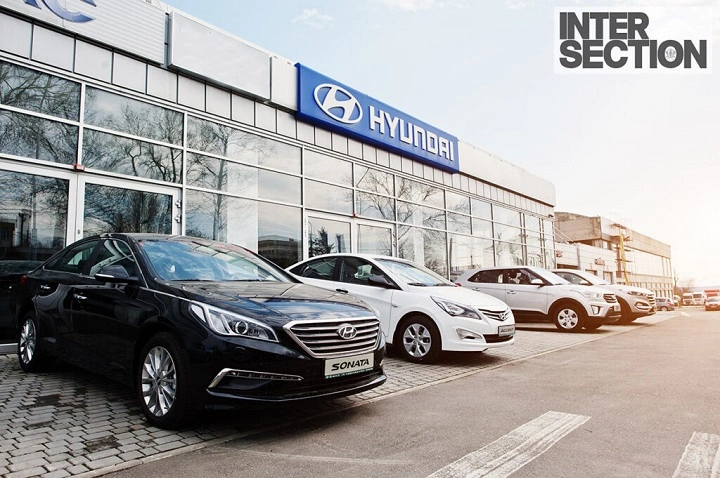
Hyundai Motor Company is one of the world’s largest and most successful automotive manufacturers, known for producing reliable, affordable, and technologically advanced vehicles. But where exactly are Hyundai cars made? Understanding Hyundai’s global manufacturing footprint can help buyers appreciate the brand’s quality, production efficiency, and how location impacts pricing and availability. This guide covers Hyundai’s manufacturing locations, key production plants, quality standards, and what buyers should know.
Overview of Hyundai’s Global Manufacturing Presence
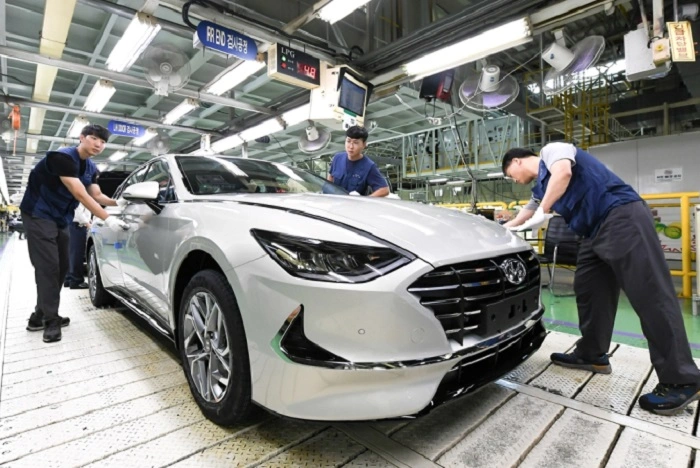
Hyundai Motor Company was founded in South Korea in 1967 and has since grown into a global automotive powerhouse. Its headquarters remain in Seoul, South Korea, where Hyundai continues to operate significant manufacturing facilities.
Hyundai has expanded production worldwide with plants across Asia, North America, Europe, and other regions. This global footprint allows Hyundai to better serve different markets, reduce shipping costs, and adapt vehicles to regional preferences and regulations.
Hyundai vehicles are primarily manufactured in:
- South Korea (Home Country)
- United States
- China
- India
- Turkey
- Czech Republic
- Brazil
- Other emerging markets
Key Hyundai Manufacturing Plants
South Korea – The Heart of Hyundai Production
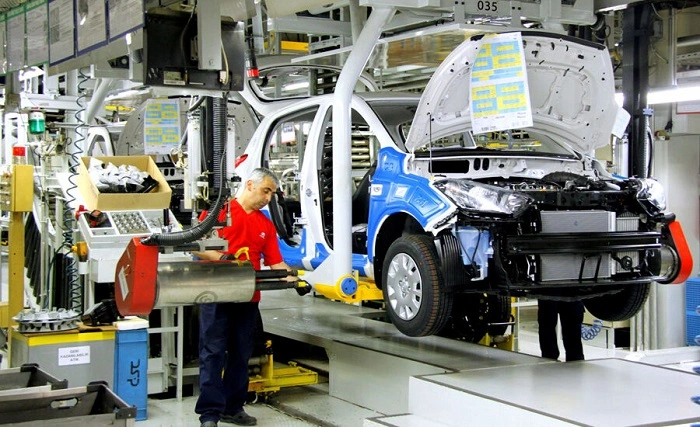
South Korea remains Hyundai’s manufacturing and innovation hub, with multiple large plants focused on research, development, and vehicle assembly. Notable facilities include:
- Ulsan Plant: Hyundai’s largest and most advanced production facility. It has the capacity to produce over 1.5 million vehicles annually, including popular models like the Sonata, Elantra, and Santa Fe. The Ulsan plant is often praised for its high automation level and quality control processes.
- Asan Plant: Specializes in producing smaller cars and electric vehicles, including the Hyundai Kona Electric.
- Jeonju Plant: Focused on producing engines and powertrain components for Hyundai vehicles worldwide.
United States – Localized Production for the North American Market
Hyundai’s major U.S. plant is located in Montgomery, Alabama. Opened in 2005, this facility produces popular SUVs like the Hyundai Santa Fe and Tucson, as well as the Sonata sedan. The plant helps Hyundai offer competitive pricing and quicker delivery to North American customers by manufacturing locally and avoiding import tariffs.
China – Joint Ventures and Regional Production
In China, Hyundai manufactures vehicles through joint ventures with local partners like Beijing Hyundai Motor Company. These plants produce a variety of Hyundai models tailored to Chinese consumer preferences and regulatory requirements.
India – Manufacturing and Export Hub
Hyundai operates a large plant in Chennai, India, which produces models such as the Hyundai i20 and Venue. The Chennai facility also exports vehicles to multiple international markets, making India a strategic manufacturing hub.
Europe – Turkey and Czech Republic
- Turkey Plant: Located in İzmit, this plant assembles compact cars like the Hyundai i10 and i20, primarily for European markets.
- Czech Republic Plant: Hyundai’s plant in Nošovice produces models like the Hyundai Tucson and Kona, supplying vehicles across Europe.
Brazil and Other Markets
Hyundai also has manufacturing presence in Brazil and other emerging markets, helping to serve regional demand and adapt vehicles to local conditions and tastes.
Hyundai’s Quality Standards and Manufacturing Excellence
Across all its plants, Hyundai adheres to rigorous quality standards to ensure consistency and reliability. Key elements include:
- Automated Production Lines: Many Hyundai plants feature state-of-the-art robotics and automation, improving precision and efficiency.
- Quality Control Checks: Multiple stages of inspection and testing help detect and fix defects early in the manufacturing process.
- Supplier Collaboration: Hyundai works closely with global suppliers to maintain component quality and ensure supply chain stability.
- Continuous Improvement: The company emphasizes lean manufacturing and continuous improvement principles to enhance production efficiency and vehicle quality.
Hyundai’s commitment to quality has earned it numerous awards and positive reliability ratings from industry experts and consumer organizations.
What Manufacturing Location Means for Buyers
Impact on Pricing
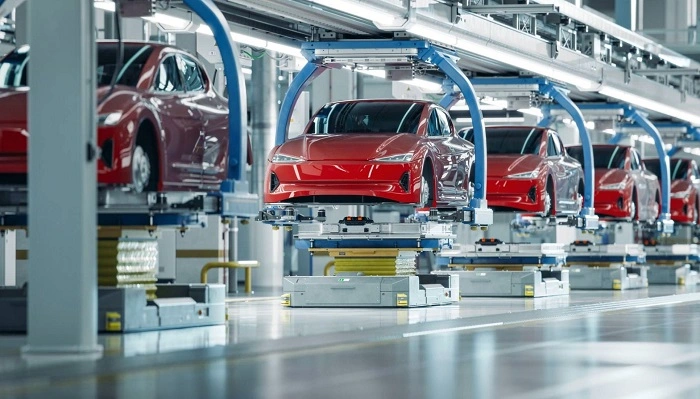
Locally manufactured Hyundai vehicles often cost less due to lower shipping expenses and tariffs. For example, U.S.-made models in Alabama may be priced more competitively in North America than imported versions. However, imported vehicles can still offer excellent value depending on the model and market.
Vehicle Specifications and Features
Production location can influence standard features and specifications to comply with regional regulations or customer preferences. For instance, vehicles assembled in Europe may have different emissions equipment than those produced in Asia.
Warranty and Service
Hyundai’s global warranty policies generally cover vehicles regardless of manufacturing origin, but local dealerships and service centers may offer additional support tailored to region-specific models.
Perception of Quality
While some consumers prefer vehicles built locally, Hyundai’s consistent quality standards across all plants ensure that no matter where your Hyundai is made, you receive a reliable and well-built car.
Tips for Buyers Considering a Hyundai Vehicle
- Check Vehicle Origin: The vehicle identification number (VIN) and window sticker usually indicate the assembly plant. Understanding where your car was made can help with expectations about features and availability.
- Consider Local Manufacturing Benefits: Locally assembled models may offer quicker delivery times and sometimes better pricing.
- Evaluate Warranty and Service: Hyundai’s warranty is strong globally, but confirm any regional variations or benefits.
- Research Model Variants: Some markets have exclusive trims or engine options based on manufacturing location, so compare carefully.
- Buy Certified Pre-Owned (CPO): Hyundai’s CPO program offers vehicles inspected and serviced according to company standards, regardless of origin, providing added peace of mind.
Hyundai’s global manufacturing strategy enables it to serve a diverse and demanding customer base with high-quality, affordable vehicles. From its advanced plants in South Korea and the United States to facilities in China, India, and Europe, Hyundai maintains stringent quality standards to ensure reliability and customer satisfaction worldwide.
For buyers, understanding where a Hyundai car is made can provide insights into pricing, features, and availability but should not cause concern over quality. Hyundai’s commitment to excellence means that no matter where your vehicle is produced, it offers a dependable driving experience backed by a strong warranty and comprehensive support.