

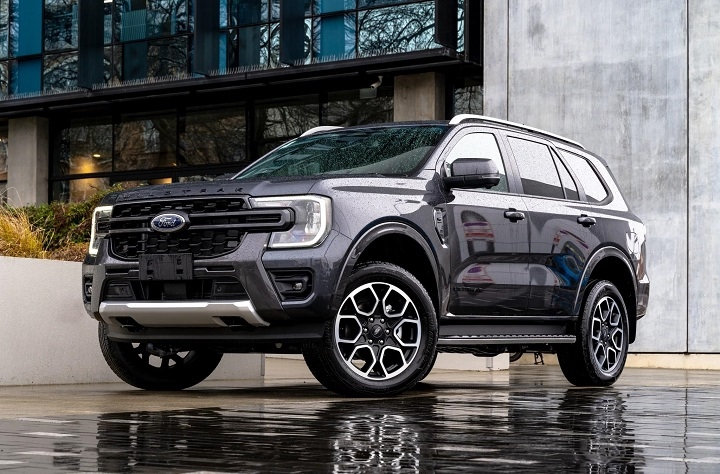
The Ford Everest Wildtrak is a rugged, high-end SUV variant that combines off-road capability with luxurious interior appointments. Built on a strong body-on-frame platform similar to the Ranger, the Wildtrak trim adds exclusive design elements, advanced technology, and refined seating configurations that appeal to both adventure seekers and comfort-focused families.
This guide covers everything about the Ford Everest Wildtrak’s seating layout, material choices, features, upgrade costs, benefits, and expert care strategies to keep your SUV interior in peak condition.
Seating Layout in the Ford Everest –
Three-Row Seating for 7 Passengers
- 2+3+2 layout: Front row has two individual seats, the second row features a 60/40 split-fold bench, and the third row has a 50/50 split.
- Second-row seats slide and recline for passenger comfort and easy access to the third row.
- Third-row seats fold flat into the floor for a seamless cargo area.
Flexible Cargo and Passenger Configurations
- With all seats up, cargo space is adequate for daily luggage.
- Folding third-row seats significantly increase rear storage capacity.
- Second-row fold-flat design allows for transporting large items.
Seat Material and Interior Styling
Leather-Appointed Seats with Wildtrak Stitching
- Premium leather upholstery is standard.
- Unique Wildtrak-specific contrast stitching and badging on seatbacks.
- Offers a mix of rugged style and upmarket sophistication.
Power-Adjustable Front Seats
- Both driver and passenger seats are typically 8-way power-adjustable.
- Includes lumbar support and tilt for ergonomic driving posture.
Heated and Ventilated Front Seats
- Standard on Wildtrak trim for maximum comfort in all climates.
- Controlled via touchscreen or center console buttons.
Second-Row Comfort
- Wide bench seat accommodates three passengers.
- Recline and slide functions allow customization of legroom and access.
Third-Row Access and Usability
- Fold-down headrests and flat-fold function.
- Best suited for children or smaller adults on longer journeys.
Key Comfort and Technology Features
Dual-Zone Climate Control with Rear Air Vents
- Allows driver and passenger to set independent temperatures.
- Rear vents and controls for 2nd and 3rd rows ensure cabin-wide comfort.
Ambient Interior Lighting
- Subtle LED lighting enhances nighttime visibility and luxury ambiance.
- Customizable in brightness and color on select trims.
Infotainment Integration
- Central display controls seat heating/cooling and memory settings.
- USB and 12V ports accessible for all rows.
Estimated Seat-Related Upgrade and Maintenance Costs
| Service or Upgrade | Estimated Cost (USD) |
| Leather Seat Re-Upholstery | $1,800 – $2,800 full set |
| Heated/Ventilated Seat Kit | $500 – $1,000 per seat |
| Seat Repair (Leather or Stitching) | $150 – $600 per seat |
| Power Seat Mechanism Repair | $400 – $900 per seat |
| Aftermarket Seat Covers (Custom) | $200 – $500 for full set |
Pricing may vary by region and service provider.
Benefits of Everest Wildtrak Seating Design
Comfort for Long Drives
- Multi-adjustable seats help prevent fatigue.
- Heated/ventilated features add climate versatility.
Luxury with Durability
- Premium leather resists wear from off-road use.
- Wildtrak styling adds rugged character with soft-touch finishes.
Flexible Cabin Space
- Foldable 2nd and 3rd rows create a flat load floor.
- Multiple seating configurations for gear, passengers, or both.
Family and Utility Ready
- LATCH anchors for child seats in the 2nd row.
- Easy entry and exit for children or elderly passengers.
Strong Resale Value
- High-end leather and Wildtrak features boost used car appeal.
- Well-kept interiors improve trade-in offers.
Expert Seat Care Tips for Ford Everest Wildtrak
Routine Leather Cleaning
- Use pH-neutral leather cleaner and soft cloth every few weeks.
- Condition seats every 3–4 months to prevent drying and cracking.
Prevent UV Damage
- Use sunshades and park in covered spaces to avoid discoloration.
- Tinting rear windows can also protect interior materials.
Use Fitted Seat Covers When Needed
- For outdoor adventures, consider water-resistant seat covers.
- Ensure covers are compatible with airbag and heat/ventilation features.
Avoid Sharp Objects and Overloading
- Do not place heavy or sharp tools on seats.
- Use cargo areas for equipment or gear transport.
Inspect Seat Controls Regularly
- Test memory functions, recline, and lumbar adjustment monthly.
- Address slow or stuck power movements early to avoid motor burnout.
Seat Upgrade Options for Everest Wildtrak
Custom Upholstery or Stitching
- Enhance or replace factory leather with contrast colors, suede inserts, or Wildtrak logos.
- Can refresh the look while maintaining OEM fit and comfort.
Massage Seat Add-Ons
- Aftermarket kits offer lumbar rolling and vibration.
- Installation must be done professionally for safe power integration.
Rear Entertainment Accessories
- Tablet mounts or seatback screens for second-row passengers.
- Good for families or long-distance travelers.
Ventilated Seat Upgrades
- If not equipped from the factory, some seat kits offer retrofit cooling fans.
- Professional installation required to avoid wiring issues.
FAQs About Ford Everest Wildtrak Seats
Are the seats in the Wildtrak comfortable for off-road use?
Yes, they offer extra bolstering and padding designed for both rugged driving and long-distance comfort.
Can I replace the third row with more cargo space?
You can fold the third row flat or remove it entirely in some markets, though it’s not always designed for permanent removal.
Is the leather real or synthetic in the Wildtrak?
The seats are leather-appointed, typically combining real leather surfaces with synthetic side panels for durability.
Are seat heaters standard in the Wildtrak?
Yes, both front seats are typically heated and ventilated as standard features in the Wildtrak trim.
Can I add massage features to the seats?
Not standard, but massage kits are available through aftermarket providers and should be installed professionally.