

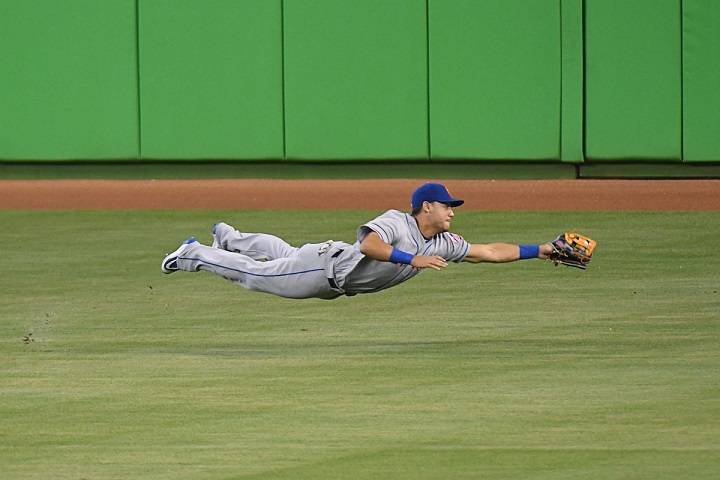
In the realm of baseball, the outfield represents a fascinating mixture of art, athleticism, and intelligence. While the infield garners much attention for its lightning-fast plays and proximity to home plate, the outfield demands a combination of unique physical and mental skills. This post delves deep into the intricacies of playing the outfield and offers insights into mastering this critical part of the baseball diamond.
Understanding the Outfield Positions

The outfield typically consists of three positions:
Left Fielder (LF): Positioned to cover the left side of the outfield, the left fielder is often known for a strong throwing arm due to frequent throws to third base.
Center Fielder (CF): The captain of the outfield, the center fielder covers the largest area and must have excellent range and communication skills.
Right Fielder (RF): Often known for their strong arms, right fielders are responsible for long throws to third base and home.
Each position comes with distinct challenges that require different sets of skills.
Positioning and Alignment
Outfielders must remain vigilant about their positioning and adjust their alignment based on various factors like the batter’s tendencies, the pitcher’s strategy, and weather conditions.
Key Tips:
Study the Batter: Observe previous at-bats, paying attention to where the batter often hits the ball.
Read the Situation: Consider the game situation, such as the number of outs, runners on base, and the score.
Adjust with the Pitcher: Know the type of pitch thrown and adjust accordingly. A fastball often results in a pulled ball, while a breaking ball may lead to opposite-field hits.
Weather Conditions: Wind and sunlight can significantly impact the ball’s trajectory and visibility. Learn to anticipate their effects.
Effective Communication

Communication is vital in the outfield to avoid costly mistakes like collisions and dropped balls. The center fielder is traditionally the outfield captain, calling off the other two players when needed.
Best Practices:
Loud and Clear Calls: Call for the ball with assertive phrases like “I got it!” or “Mine!” so teammates can hear.
Backup Support: Support fellow outfielders by being ready to catch any balls that they may miss.
Infield Connection: Coordinate with infielders on shallow fly balls or when backing up their throws.
Reading the Ball and Fielding
Catching a fly ball might seem straightforward, but its path is rarely a straight line. Outfielders need impeccable judgment to read the ball off the bat.
Tips to Improve Fielding:
First Step Back: Always take your first step backward to avoid being caught off guard by a ball that carries farther than expected.
Read the Spin: Understand how different types of spin can influence the ball’s flight path.
Ball’s Height and Speed: Analyze the height and speed to predict where the ball will land.
Proper Glove Position: Use both hands to secure catches, especially in windy conditions.
Ground Balls and Throwing Accuracy
When fielding ground balls, the goal is to prevent extra bases by throwing the ball back accurately to the infield.
Techniques to Field Ground Balls:
Field in Front: Field the ball in front of your body to position yourself for an accurate throw.
Charge the Ball: Close the distance quickly to keep runners from taking an extra base.
Crow Hop Technique: Use a quick crow hop to generate momentum for your throw.
Accurate Throwing:
Aim for the Cutoff Man: Throw to the cutoff man unless you are sure of reaching the target base.
Overhand Throw: Use a proper overhand throwing technique to prevent wild or off-target throws.
Know Your Limits: Sometimes, throwing to a nearer base can prevent more damage.
Advanced Strategies

To excel in the outfield, players should employ advanced strategies that give them an edge over the competition.
Anticipate the Play:
Runner’s Speed: Know the speed of the runners on base to decide where to throw.
Relay Throws: Coordinate relay throws with infielders to ensure a quick and accurate response.
Decoy Moves: Use deceptive moves to confuse base runners and induce mistakes.
The Mental Game
Playing the outfield requires mental fortitude as it often involves long stretches of waiting between plays.
Key Mental Strategies:
Stay Engaged: Keep your head in the game by mentally preparing for different scenarios.
Shake Off Mistakes: Don’t let errors linger. Move on quickly and stay confident.
Celebrate Successes: Acknowledge and enjoy personal victories, whether a good catch or throw.
Developing the Skills
Like any other position, excelling in the outfield demands practice and dedication.
Training Routines:
Footwork Drills: Practice backpedaling, lateral movement, and charging ground balls.
Tracking Drills: Improve tracking by practicing with fungoes or hitting machines.
Throwing Drills: Work on throwing accuracy using a target net or live infielders.
Fitness Training: Outfielders require speed and stamina, so incorporate agility and endurance workouts.
Fundamental Skills for Outfielders
Speed and Agility

Outfielders must possess exceptional speed and agility to cover large swathes of ground quickly. Regular sprints and agility drills are essential for boosting your acceleration and ability to change direction efficiently.
Key Exercises:
Cone drills
Ladder drills
Interval sprints
Reading the Ball
Properly judging the ball’s trajectory is crucial. The moment the ball leaves the bat, outfielders must assess whether it’s a fly ball, line drive, or ground ball and react accordingly.
Tips:
Learn to recognize different batters’ tendencies.
Train to interpret the sound of the ball hitting the bat.
Adjust positioning based on the pitcher’s pitch selection.
Proper Footwork
Efficient footwork allows outfielders to react swiftly and maintain balance while fielding.
Key Techniques:
Drop Step: Enables quick pivoting and acceleration.
Crossover Step: Ideal for covering a lot of ground rapidly.
Crow Hop: Maximizes throwing power by building momentum.
Catching Techniques
The ability to catch the ball effectively under different circumstances can save crucial runs and deliver pivotal outs.
Types of Catches:
Routine Fly Ball Catch: The standard method for straightforward catches.
Over-the-Shoulder Catch: Useful for tracking deep fly balls.
Diving Catch: Last-ditch effort to prevent hits.
Sliding Catch: Provides stability for low fly balls.
Throwing Mechanics
Perfecting your throwing mechanics ensures that balls travel quickly and accurately to their target.
Fundamentals of a Strong Throw:
Use the crow hop to gain momentum.
Transfer weight from the back foot to the front foot.
Follow through to ensure a straight trajectory.
Defensive Strategies
Communication and Positioning
Outfielders need to communicate effectively to avoid collisions and position themselves optimally.
Key Strategies:
The center fielder should call off other outfielders when catching a fly ball.
Left and right fielders should defer to center fielders unless absolutely necessary.
Outfielders should adjust positioning based on the batter’s tendencies and the current pitcher’s style.
Related Post:
The Ultimate Guide to Baseball Pitches
The Ultimate Guide to Finding the Right Baseball Glove Size
Understanding Baseball Field Sizes by Age: A Comprehensive Guide
Green Living Starts at Home: How Storage Supports a Sustainable Lifestyle
Playing the outfield is both an art and a science. With a mix of athleticism, intelligence, and teamwork, outfielders are the gatekeepers of the diamond’s outer reaches. By mastering the strategies and skills described above, any outfielder can refine their craft and become an indispensable asset to their team. Whether you’re patrolling left, center, or right field, being a great outfielder requires a blend of dedication, practice, and passion.