

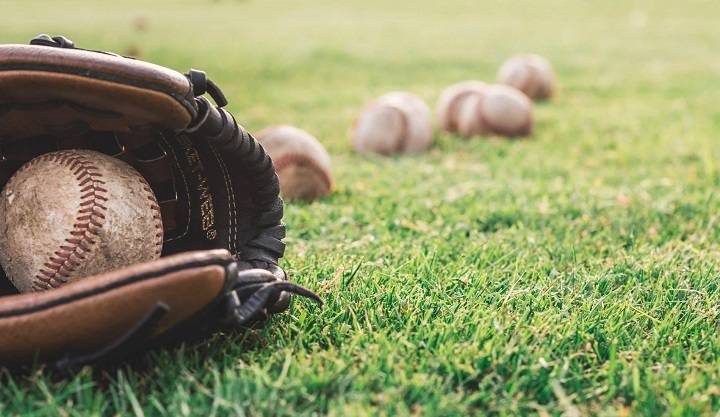
Baseball, known as America’s pastime, is a sport that requires a specific set of skills, physical conditioning, and the right equipment to play. For both newcomers and seasoned players, it’s crucial to know the essentials you need on game day. Whether you’re a coach, a parent, or an aspiring player, this guide will provide a comprehensive overview of the essential equipment needed for baseball.
Gloves and Mitts
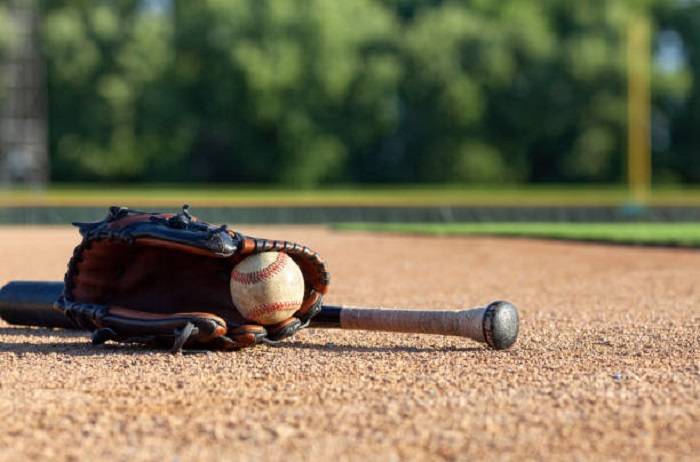
Catcher’s Mitt
A catcher’s mitt is designed specifically for catching fast pitches. It has extra padding and a more enclosed design than a standard fielder’s glove to protect the catcher’s hand and aid in securing fastballs.
First Baseman’s Mitt
Similar to a catcher’s mitt but more flexible and elongated, the first baseman’s mitt helps scoop up balls out of the dirt and catch throws more easily.
Infielder’s Glove
Infielder gloves are smaller and more flexible for quick transfers and precise ball handling. They typically measure 11-12 inches.
Outfielder’s Glove
Outfielder gloves are longer, typically around 12-13 inches, with a deeper pocket to catch fly balls.
Bats
Wooden Bats
Wooden bats, usually made from maple, ash, birch, or bamboo, are traditional and preferred in professional leagues. They offer excellent control and help develop hitting skills.
Metal Bats
Most amateur players use aluminum or composite bats due to their durability and lighter weight. They provide more power and a larger sweet spot.
Helmets and Protective Gear
Batting Helmet
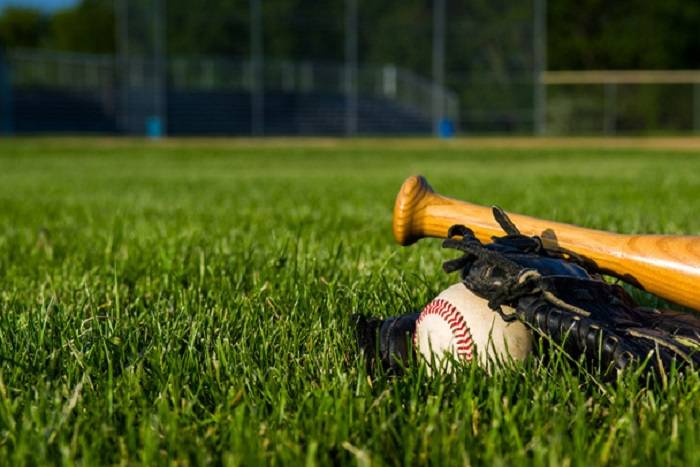
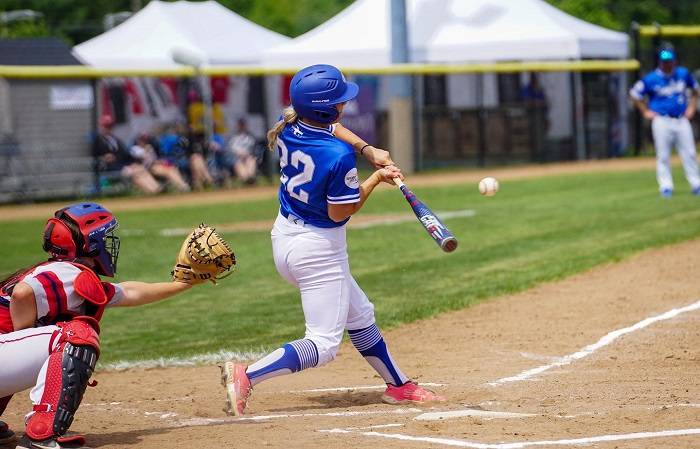
A batting helmet is required for all batters to protect against head injuries. Look for helmets that meet NOCSAE standards and provide adequate padding.
Catchers Gear
Catchers wear specialized protective gear, including a chest protector, leg guards, and a face mask or helmet. Make sure all equipment is fitted correctly to the player.
Elbow and Leg Guards
These guards protect players from pitched balls and foul tips that can cause bruises or fractures.
Sliding Shorts
Sliding shorts provide extra padding for players sliding into bases and protect sensitive areas.
Footwear
Cleats
Cleats are essential for maintaining grip and agility on the field. Choose metal cleats for maximum traction or molded rubber/plastic cleats for youth or players who need extra cushioning.
Turf Shoes
For practices and training, turf shoes offer better comfort and flexibility on artificial turf or hard surfaces.
Apparel
Baseball Pants
Durable pants that allow free movement are important. Reinforced knees and sliding panels can increase longevity.
Jerseys
Jerseys should be breathable and flexible, often made of moisture-wicking fabrics.
Belts and Socks
Belts keep pants securely in place, while socks protect the legs and offer additional comfort.
Baseballs
Practice Balls
Practice balls are often less expensive, made with synthetic leather or rubber for durability.
Game Balls
Game balls, typically made with genuine leather and a cork core, provide a consistent feel and performance.
Training Aids
Pitching Machine
A pitching machine can replicate different pitch types and speeds for batting practice.
Batting Tee
A tee allows players to practice their swing mechanics repeatedly and with precision.
Swing Trainer
Swing trainers help correct swing mechanics and build strength.
Coaching Tools
Scorebooks
Keeping score allows coaches and players to analyze performance and identify areas for improvement.
Radar Gun
Radar guns help track pitching speed and provide valuable data for pitchers and coaches.
Stopwatch
Stopwatches help measure running speed and efficiency.
Miscellaneous Gear
Equipment Bags
A good equipment bag will keep all your gear organized and easily transportable.
Water Bottle and Hydration Pack
Hydration is key, so bring a reusable water bottle or hydration pack.
Sunscreen
Sun protection is essential for long days at the field
The Uniform: More Than Just Aesthetic
Jerseys
Fit: Should be snug but not too tight, allowing freedom of movement.
Material: Lightweight, breathable fabric keeps players cool during hot games.
Pants
Traditional vs. Knickers: Choose between full-length pants or knickers, depending on personal preference and team guidelines.
Sliding Shorts: Provide extra padding to prevent abrasions and injuries.
Accessories
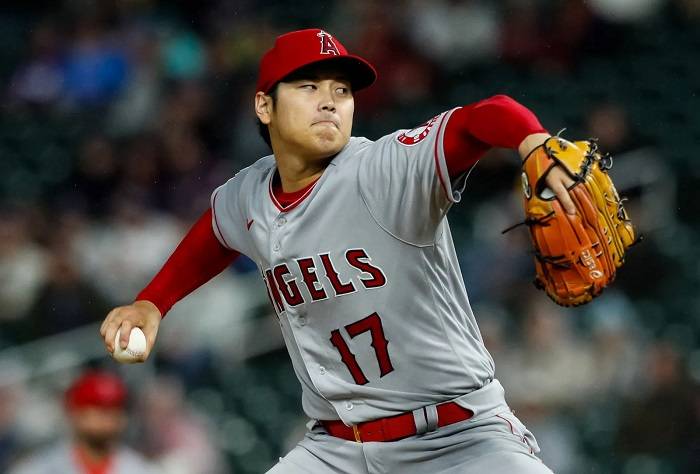
Belts and Socks: Matching belts and socks complete the uniform.
Undershirts: Compression or loose-fitting undershirts offer additional support and wick away sweat.
raining Equipment: Practice Makes Perfect
Pitching Machines
Automatic Pitchers: Simulate various pitches, improving hand-eye coordination.
Portable Options: Ideal for players who want to practice anywhere.
Hitting Nets and Tees
Batting Tees: Improve batting technique and hand-eye coordination.
Hitting Nets: Allow players to practice hitting without retrieving balls after each swing.
Agility and Conditioning Tools
Ladders and Cones: Help build foot speed and agility.
Resistance Bands: Strengthen muscles to improve throwing speed and power.
Catcher’s Equipment: The Unsung Hero’s Arsenal
Catcher’s Mitt
Size and Padding: Should be larger with ample padding to absorb high-speed pitches.
Break-In Process: Similar to fielding gloves but requires more time.
Chest Protector
Size: Should cover the torso completely, allowing free arm movement.
Fit: Adjustable straps provide a snug fit.
Leg Guards
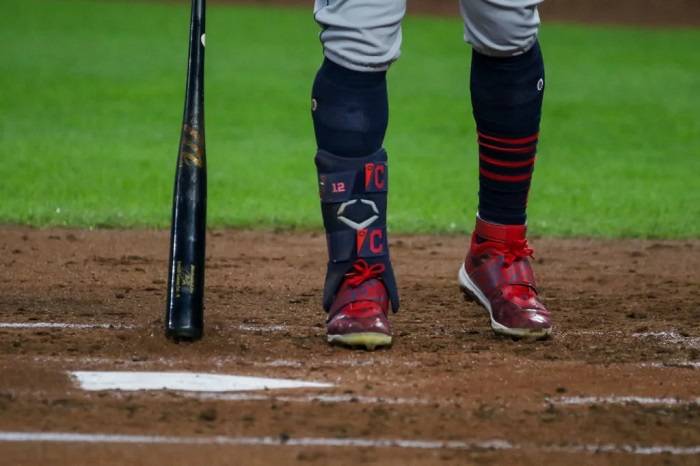
Knee Savers: Provide support and reduce strain during crouching.
Equipment Bag: Stay Organized
Choosing a Bag
Backpack: Ideal for youth players and holds basic equipment.
Wheeled Bags: Perfect for catchers or players with extensive gear.
Organizing Tips
Compartments: Look for bags with separate compartments for bats, gloves, and cleats.
Labels: Label your gear to ensure nothing is lost during travel.
Mental Essentials: Beyond Physical Gear
Focus and Discipline
Routine Development: Establish pre-game rituals to get into the zone.
Visualizing Success: Visualize successful plays to boost confidence.
Teamwork
Communication: Foster strong communication with teammates.
Support System: Build a support system that encourages a positive environment.
Learning and Improvement
Review Games: Analyze past performances to identify improvement areas.
Adaptability: Learn from failures and adapt quickly to different situations.
Related Post:
Mastering the Art of Baseball Catching: Tips, Techniques, and Essentials
The Ultimate Guide to the Third Baseman: Roles, Skills, and Famous Players
Unlocking Your Power with Tee Drills: Comprehensive Guide for All Skill Levels
Mastering the Sacrifice Bunt: A Comprehensive Guide for Baseball Enthusiasts
With this guide to baseball essentials, you’re equipped with all the necessary information to outfit yourself or your team for game day. Remember, it’s not just about having the right equipment but also ensuring it’s properly maintained and tailored to each player’s needs. Baseball is a team sport built on strategy, technique, and the love of the game. With these essentials at your disposal, you’ll be ready to step up to the plate, take the field, or coach with confidence.
Success in baseball requires more than just raw talent; the right gear is crucial to maximize your potential. Whether it’s the perfect glove, a powerful bat, or essential safety equipment, investing in the proper gear will help you perform your best. Remember to consider the specific needs of your position, playing style, and league requirements when choosing your equipment. Stay safe, keep practicing, and play ball!