

Baseball is a game of nuances, strategy, and timing, where the margin for success or failure is often determined by the slightest adjustments in technique. One of the most critical skills that define the game is the swing. A hitter’s ability to utilize various cuts and swings can greatly influence their performance at the plate. This blog post will delve into the various baseball cuts, providing insights into the types, purposes, and mechanics of each. By understanding the intricacies of these swings, you can elevate your game to the next level.
The Basics of Baseball Swings
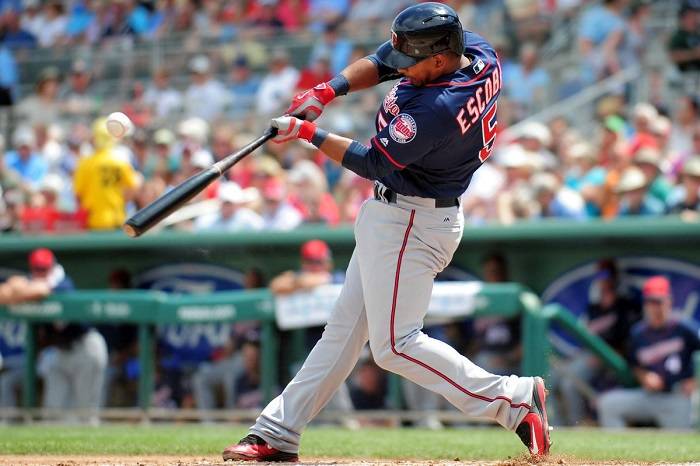
Before diving into the specific types of swings, let’s first understand the fundamental principles that underpin all successful cuts:
Stance: A strong, balanced stance sets the foundation for a good swing. Feet should be shoulder-width apart with the knees slightly bent, ensuring that your weight is evenly distributed.
Grip: The grip is crucial for control and power. The bat should be held firmly but not too tight. Place the dominant hand above the non-dominant hand, ensuring the “knocking knuckles” align.
Load: Loading is the preparatory movement before the swing. It involves shifting weight slightly to the back leg, creating tension and torque that will be released into the swing.
Stride: As the pitch approaches, take a small step forward to shift weight toward the front foot. This stride helps generate momentum and timing for the swing.
Swing Path: The swing path must be smooth and level. The bat should move through the strike zone on a plane that’s in line with the ball’s trajectory.
Follow Through: Follow-through ensures the swing is complete. The bat should continue on its path after contact, ending high and across the opposite shoulder.
Types of Baseball Cuts
A player’s swing can vary based on pitch type, count, game situation, and personal strategy. Let’s explore the main types of baseball cuts:
Contact Swing:
Purpose: This swing prioritizes putting the ball in play over generating power. It is often used when a hitter has two strikes and needs to protect the plate.
Mechanics: The swing is shorter and more compact, with minimal stride and reduced upper body movement. The goal is to make contact with any pitch close to the strike zone.
Power Swing:
Purpose: The power swing focuses on hitting the ball with maximum force, often aiming for extra-base hits or home runs.
Mechanics: The load is more pronounced, the stride is longer, and the swing is more aggressive. Players utilize a full hip and shoulder rotation to unleash power.
Check Swing:
Purpose: This defensive cut helps hitters hold back if they realize late that a pitch will be a ball.
Mechanics: A quick twitch movement where the batter stops the swing halfway. The bat may or may not cross the plate depending on how quickly the batter realizes the pitch isn’t ideal.
Bunt:
Purpose: The bunt aims to tap the ball gently into the infield, often to advance a base runner or catch the defense off guard.
Mechanics: Instead of swinging, the bat is held out in front of the body. The hitter “catches” the ball with the bat, angling it to control the direction.
Slash Bunt:
Purpose: This combination of a bunt and swing is used to confuse infielders and create openings in the defense.
Mechanics: The batter squares to bunt, then pulls the bat back and takes a quick swing to punch the ball through gaps.
Advanced Swing Techniques
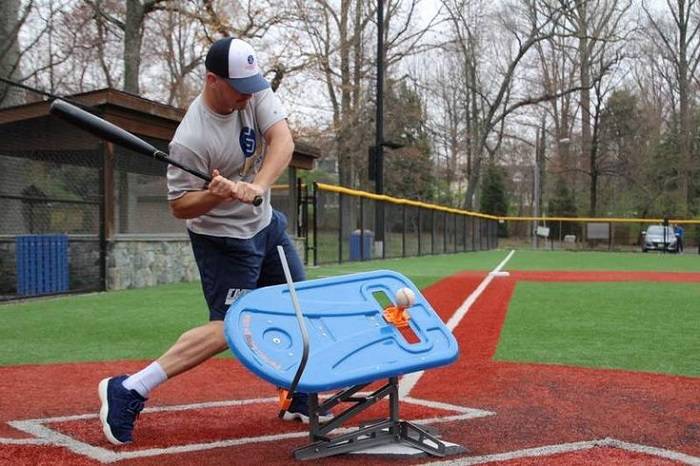
As hitters become more experienced, they develop techniques to fine-tune their swings:
Opposite-Field Hitting:
This technique involves hitting the ball to the opposite field of a hitter’s natural swing. For a right-handed batter, that means hitting toward right field. It requires delaying the swing slightly and using the hands to guide the ball.
Pull Hitting:
Pull hitters aim to hit the ball to the same side of the field as their batting stance. This requires a quicker, more aggressive swing.
Switch Hitting:
Switch hitters can bat from either side of the plate. This is advantageous when facing different types of pitchers. It requires mastering multiple swings and adapting to varying pitching angles.
Adjusting the Swing to Situational Needs
A good hitter recognizes when to adapt their swing based on the game situation:
Hit-and-Run:
A hit-and-run play requires a controlled swing to ensure the ball is put in play, helping base runners advance.
Sacrifice Fly:
A batter aims to hit a high fly ball deep enough to score a runner from third base.
Two-Strike Approach:
With two strikes, a batter should focus on making contact by shortening the swing and protecting the strike zone.
Working the Count:
Being patient at the plate allows hitters to work the count in their favor, often leading to better pitches to hit.
The Mental Side of Hitting

The mental aspect of baseball is just as crucial as the mechanics:
Reading the Pitcher:
Study the pitcher’s tendencies, pitch selection, and release points. Anticipating the type of pitch can improve timing.
Staying Confident:
Confidence is key in baseball, where failure is frequent. Develop a positive mindset to handle slumps and pressure situations.
Routine and Focus:
Develop a pre-pitch routine to stay focused and calm. This could include deep breathing, visualization, or resetting the stance.
Training Drills for Improving Cuts
Tee Work:
Hitting off a tee helps focus on form and contact. Adjust the tee height and position to practice different pitch locations.
Soft Toss:
An assistant tosses balls from the side, helping batters work on timing and hand-eye coordination.
Batting Cages:
Automated pitching machines provide consistent pitches to help batters groove their swings.
Situational Hitting:
Practice game-like situations, such as hit-and-run, bunting, or hitting with two strikes.
Related Post:
A Guide to the Best Wood Bats for Baseball Enthusiasts
The Ultimate Guide to the Best Infield Gloves
The Ultimate Guide to Choosing the Best Batting Tee: Unleash Your Full Hitting Potential
The Ultimate Guide to the Best Baseball Sunglasses: Maximizing Performance and Style on the Diamond
Mastering the different types of baseball cuts is crucial for any hitter seeking to elevate their game. Understanding the purpose, mechanics, and situational use of each swing type will help you approach every at-bat strategically and confidently. Combine this knowledge with mental fortitude and consistent practice to refine your skills, and soon you’ll be knocking pitches out of the park. Whether you’re just starting out or aiming for the big leagues, these insights into baseball cuts will enhance your understanding and love for the game.