

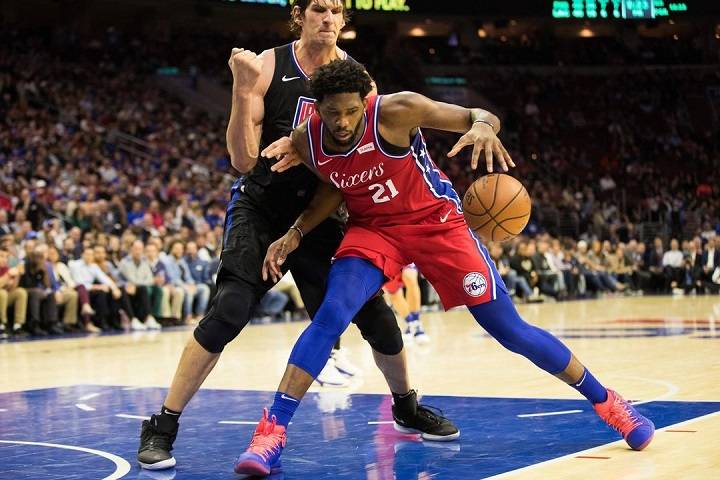
In the dynamic world of basketball, each player’s role on the court is crucial to the team’s success. While guards dazzle with their ball-handling skills and perimeter shooting, and forwards showcase versatility in scoring and defense, there’s a particular position that often goes unnoticed by casual observers but plays a pivotal role in the game’s outcome—the post position.
In this comprehensive exploration, we delve into the intricacies of the post position in basketball, highlighting its significance, the skills required, and the impact it has on the game.
Understanding the Post Position
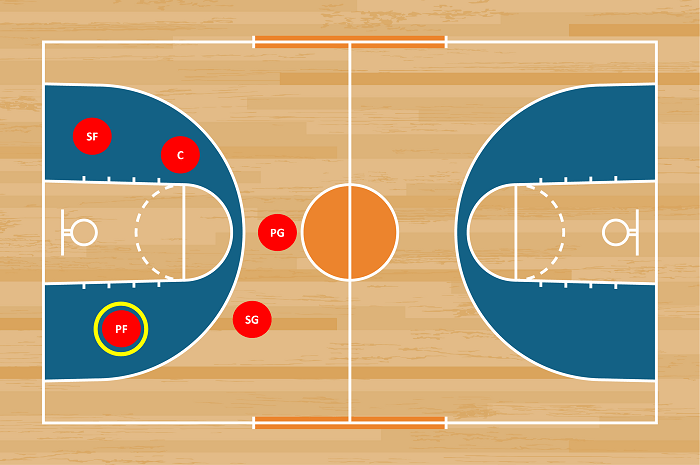
The post position primarily refers to players who operate close to the basket, commonly known as “post players” or “big men.” Traditionally, these players occupy the power forward and center positions, using their size, strength, and skill to dominate the area near the hoop, known as the “paint.”
Offensive Dominance:
In basketball, scoring in the post is akin to imposing your will on the opposing team. A skilled post player can wreak havoc on the defense in numerous ways:
Low Post Scoring: The bread and butter of post players, low post scoring involves backing down defenders and utilizing an array of moves such as drop steps, jump hooks, and fadeaways to score close to the basket. With their size and footwork, post players can create high-percentage scoring chances even against stout defense.
Drawing Fouls: By aggressively attacking the basket from the post, players can force defenders into committing fouls, leading to free-throw opportunities for themselves or their teammates. This not only puts pressure on the opposing defense but also helps in getting key players into foul trouble.
Passing from the Post: A skilled post player isn’t just a scoring threat but also a facilitator. When double-teamed, they can kick the ball out to open shooters or find cutting teammates for easy baskets. This ability to read the defense and make smart passes adds another dimension to an offense’s arsenal.
Defensive Anchor:
While the offense may garner more attention, defense wins championships, and post players play a pivotal role on the defensive end:
Interior Defense: In basketball, protecting the rim is paramount, and post players serve as the last line of defense. With their size and length, they can alter shots, block attempts, and deter opponents from driving to the basket. A dominant shot-blocker can instill fear in the minds of opposing players, forcing them to reconsider their approach.
Rebounding: Controlling the boards is essential for winning games, and post players excel in this aspect. Whether it’s grabbing offensive rebounds for second-chance points or securing defensive rebounds to end opponents’ possessions, their ability to box out and snatch rebounds is invaluable.
Defending the Post: Just as they excel in scoring from the post, post players understand how to defend against it. By positioning themselves correctly and using their strength to hold their ground, they can make life difficult for opposing big men, forcing them into tough shots or turnovers.
The Evolution of Post-Play
While the fundamentals of post position remain timeless, the game of basketball is constantly evolving, and post players must adapt to stay ahead:
Versatility: Modern-day post players are expected to be more versatile than ever, possessing not only size and strength but also skill and agility. They must be capable of stepping out to hit mid-range jumpers, facilitating offense from the high post, and even stretching the floor with three-point shooting.
Ball Handling: With the rise of positionless basketball, post players are increasingly required to handle the ball and initiate offense. Being able to bring the ball up the court, facilitate plays, and drive to the basket adds another dimension to their game and keeps defenders guessing.
Defensive Switching: As defensive schemes evolve, post players must be able to switch onto smaller, quicker players when necessary. This requires agility, anticipation, and communication to effectively contain perimeter threats and prevent easy scoring opportunities.
The Anatomy of a Post Player
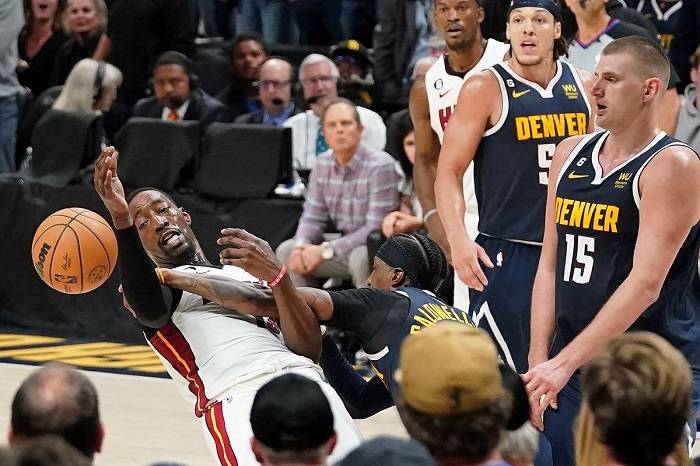
Height and Size: Post players are typically among the tallest and strongest on the team. Their imposing physical presence allows them to establish a position near the basket, making it difficult for defenders to contest shots or secure rebounds.
Footwork: Exceptional footwork is essential for post players to maneuver in tight spaces and create scoring opportunities. Whether executing drop steps, spin moves, or pump fakes, precise footwork enables them to outmaneuver defenders and find openings for shots.
Scoring Touch: While post players are adept at scoring with powerful dunks and layups, they also possess a variety of scoring moves, including hook shots, fadeaways, and jump hooks. Their ability to score efficiently in the paint adds a valuable dimension to their team’s offense.
Rebounding: Rebounding is a critical aspect of the post player’s game. Whether it’s grabbing offensive rebounds for second-chance points or securing defensive rebounds to end opponents’ possessions, their presence on the boards is indispensable for controlling the flow of the game.
Defensive Anchor:
In addition to their offensive prowess, post players play a vital role on the defensive end of the court. Their size and shot-blocking ability serve as a deterrent for opposing players attempting to score near the basket. By protecting the rim and altering shots, post players contribute significantly to their team’s defensive strategy.
Evolution of the Post Position
While the fundamentals of post-play remain consistent, the role of post players has evolved over time, reflecting changes in the game’s pace and style. In today’s NBA, for example, post players are expected to possess perimeter skills, including mid-range jump shots and three-point shooting, to stretch the defense and create spacing on offense.
Post Position in Modern Basketball
Versatility: Modern post players are not confined to the paint; they are often utilized in high-post sets, where they can facilitate ball movement, set screens, and initiate plays from the top of the key. This versatility adds another dimension to their team’s offensive strategy.
Pick-and-Roll Execution: Post players excel in pick-and-roll situations, where they can roll to the basket for a scoring opportunity or pop out for a jump shot. Their ability to read the defense and make split-second decisions enhances their effectiveness in pick-and-roll plays.
Defensive Switching: In today’s switch-heavy defensive schemes, post players must be capable of guarding multiple positions effectively. Their agility and defensive instincts enable them to switch to smaller, quicker players without compromising their team’s defensive integrity.
The Future of Post-Play
As the game continues to evolve, so too will the role of post-players. While traditional skills such as scoring in the paint and rebounding will always be valued, post-players of the future will need to adapt to the changing demands of the game, incorporating new skills and strategies to stay ahead of the competition.
Related Post:
Everything You Need to Know About Softball Game Lengths: A Comprehensive Guide
The Art and Science of Bowling Scoring: Deciphering the Game’s Hidden Language
Mastering the Basics: A Comprehensive Guide to Table Tennis Skills
The post position in basketball remains a cornerstone of the sport, with post players serving as anchors for their teams on both ends of the court. From dominating the paint with scoring and rebounding to anchoring the defense with shot-blocking and rim protection, the impact of post players reverberates throughout the game.
As basketball continues to evolve, the role of post players will evolve with it, adapting to new trends and strategies while remaining true to the fundamental principles of the position. Whether they’re towering centers or agile power forwards, post players will always play a vital role in the beautiful game of basketball.