

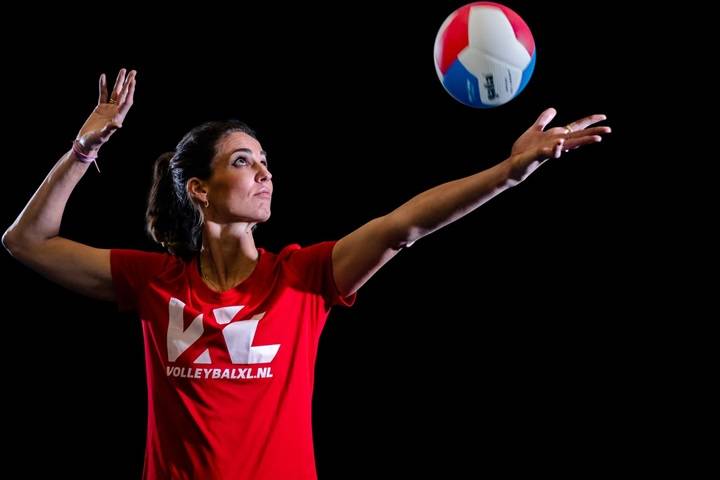
Volleyball is a sport of precision, power, and strategy, where every aspect of the game is governed by rules aimed at maintaining fairness and competitiveness. One crucial aspect of volleyball is the service, the moment that kick-starts each rally and sets the tone for the game. Whether you’re a beginner learning the ropes or a seasoned player looking to refine your skills, understanding the intricate rules governing volleyball service is paramount. In this comprehensive guide, we’ll delve deep into the world of volleyball service rules, exploring everything from the basics to the finer nuances that can make all the difference on the court.
The Basics of Service:

Service Rotation: Before diving into the technicalities, it’s essential to grasp the concept of service rotation. In volleyball, players must rotate in a clockwise manner before each service, ensuring that every player gets their chance to serve.
Service Order: Each team must adhere to a specific service order throughout the game. Failure to maintain the correct sequence results in a loss of point.
Starting Position: When serving, players must stand behind the end line of the court. They are allowed to step on or over the line during the execution of the serve but cannot touch the court before making contact with the ball.
Types of Service:
Overhand Serve: The overhand serve is a common technique where players toss the ball into the air and strike it with an overhead motion. It allows for greater control and precision.
Underhand Serve: As the name suggests, the underhand serve involves striking the ball with an underhand motion. While it’s generally less powerful than the overhand serve, it can be effective for beginners or players looking for more accuracy.
Jump Serve: Reserved for more advanced players, the jump serve combines power and precision. It involves jumping into the air before striking the ball, adding extra momentum to the serve.
Faults and Violations:
Foot Faults: Stepping on or over the end line while serving constitutes a foot fault, resulting in a point for the opposing team.
Service Errors: Various errors, such as serving out of order, touching the net during the serve, or failing to strike the ball cleanly, result in a point for the opposing team.
Screen Serve: A screen serve occurs when a player obstructs the opposing team’s view of the server or the ball during the serve. This is considered a violation and results in a loss of points.
Fault:
Let Serve: In some cases, a let-serve occurs when the ball touches the net during the serve but still lands in the opponent’s court. In such instances, the serve is replayed without any penalty.
Fault Serve: A fault serve refers to any serve that does not meet the requirements set forth by the rules, such as landing out of bounds or failing to clear the net. Fault serves to result in a point for the opposing team.
Strategies for Effective Service:
Placement: Strategic placement of serves can put pressure on the opposing team’s defense, making it harder for them to return the ball effectively. Targeting weak spots or exploiting mismatches can yield favorable results.
Variation: Incorporating variation in your serves, such as mixing up the speed, spin, and trajectory, can keep your opponents guessing and make it challenging for them to anticipate your next move.
Communication: Clear communication among teammates regarding service strategy, such as signaling target areas or coordinating serve-receive formations, enhances efficiency and cohesion on the court.
Practice Tips:
Repetition: Like any skill in volleyball, mastering the service requires consistent practice. Set aside dedicated time to work on various types of serves and refine your technique.
Feedback: Solicit feedback from coaches, teammates, or experienced players to identify areas for improvement and fine-tune your serving technique.
Game Simulations: Simulating game scenarios during practice, such as practicing serves under pressure or incorporating serve-receive drills, helps prepare you for real-game situations.
Service Faults:
Now, let’s discuss the various faults that can occur during a serve, resulting in a point awarded to the opposing team.
Foot Faults: Stepping on or over the service line while serving constitutes a foot fault. This is one of the most common errors and can easily be avoided with proper positioning and awareness.
Service Line Violation: The server must release the ball and hit it within the designated area behind the service line. Failing to do so results in a service line violation.
Ball Contact: The ball must be struck cleanly with the hand or any part of the arm below the wrist. Using any other part of the body or catching and throwing the ball is considered a fault.
Service Order: Players must serve in a specific rotation order. Failure to adhere to this order results in a fault.
Screen Serve: Intentionally obstructing the view of the opposing team with players or gestures during the serve is a violation known as a screen serve.
Understanding the strategies and techniques:

While avoiding faults is essential, mastering the art of serving goes beyond mere compliance with the rules. Let’s explore some advanced strategies and techniques to enhance your serving game.
Float Serve: The float serve is a technique where the server hits the ball with no spin, causing it to move unpredictably in the air. This makes it challenging for the receiving team to anticipate its trajectory, increasing the likelihood of an ace (an unreturnable serve).
Topspin Serve: Unlike the float serve, the topspin serve involves imparting spin on the ball, causing it to dip sharply as it crosses the net. This can make it difficult for the receiving team to handle, especially if executed with power and accuracy.
Jump Serve: The jump serve is a dynamic technique where the server approaches the ball with a jump before striking it. This allows for increased power and velocity, making it a formidable weapon in the server’s arsenal.
Strategic Placement: Serving isn’t just about power; it’s also about placement. By targeting specific areas of the court, such as the seams between players or the sidelines, servers can exploit weaknesses in the opposing team’s defense.
Mind Games: Mental warfare plays a significant role in serving. Utilizing tactics such as varying the timing of serves, faking serves, or using subtle body language can keep the receiving team off-balance and increase the likelihood of scoring points.
Related Post:
Portugal National Football Team vs Iceland National Football Team Lineups
Mexico National Football Team vs Qatar National Football Team: A Statistical Analysis
Unleashing Superior Performance: The Allure of Jordan Cleats Football
Iceland National Football Team vs Portugal National Football Team Lineups
Mastering the art of volleyball service requires a blend of skill, strategy, and adherence to rules. By understanding the intricacies of service rules, honing your technique, and implementing effective strategies, you can elevate your game and contribute significantly to your team’s success on the court. Whether you’re aiming to ace your serves or thwart the opponent’s attack, a solid grasp of volleyball service rules is the first step towards achieving excellence in this fundamental aspect of the game.