

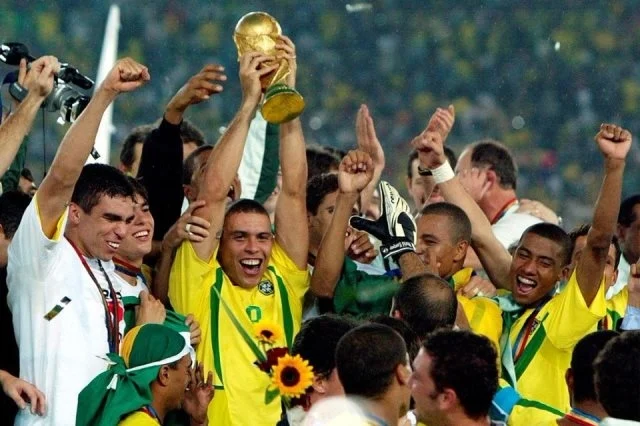
In the realm of international football, few nations boast a legacy as illustrious as Brazil. Renowned for its dazzling flair, technical prowess, and unparalleled passion for the beautiful game, Brazil stands tall as the most successful team in World Cup history. With a record-breaking five titles to their name, the Seleção has captured the hearts of football enthusiasts worldwide with their mesmerizing performances on the grandest stage of all. In this blog post, we delve into Brazil’s storied journey through the FIFA World Cup, exploring its triumphs, challenges, and enduring legacy.
The Quest Begins: 1958 – Sweden
Brazil’s ascent to footballing supremacy began in earnest at the 1958 World Cup held in Sweden. Led by the legendary Pelé, a precocious talent just 17 years of age, the Brazilians announced themselves to the world with scintillating displays of attacking football. Their journey culminated in a historic final against the host nation, where Brazil emerged triumphant with a 5-2 victory. This triumph not only secured Brazil’s first-ever World Cup title but also marked the beginning of a golden era for Brazilian football.
Consolidating Dominance: 1962 – Chile & 1970 – Mexico
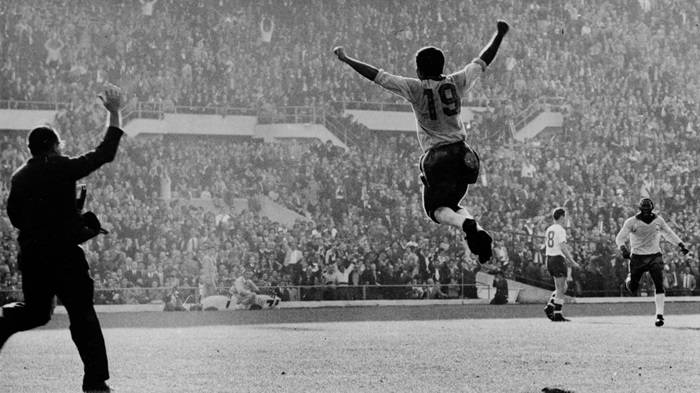
Buoyed by their success in Sweden, Brazil continued their dominance on the world stage, clinching their second consecutive World Cup trophy at the 1962 tournament held in Chile. Despite the absence of Pelé due to injury, the Seleção showcased their depth and resilience, navigating through a challenging campaign to emerge victorious once again.
The 1970 World Cup in Mexico witnessed Brazil’s crowning glory as they showcased a brand of football that mesmerized fans and pundits alike. Under the guidance of coach Mário Zagallo and led by the incomparable Pelé, Brazil delivered a masterclass in attacking prowess, culminating in a memorable 4-1 victory over Italy in the final. This triumph not only secured Brazil’s third World Cup title but also cemented their reputation as the standard-bearers of the beautiful game.
Enduring Legacy: 1994 – USA & 2002 – South Korea/Japan
Following a two-decade hiatus from World Cup glory, Brazil returned to the winner’s circle in 1994, under the stewardship of coach Carlos Alberto Parreira. Despite facing stiff competition throughout the tournament, the Seleção demonstrated their trademark resilience and tactical acumen, culminating in a tense penalty shootout victory over Italy in the final. This triumph not only ended Brazil’s 24-year wait for World Cup glory but also marked the emergence of a new generation of Brazilian stars, including Romário and Bebeto.
Eight years later, Brazil reaffirmed their status as footballing juggernauts with a scintillating campaign at the 2002 World Cup co-hosted by South Korea and Japan. Led by the imperious Ronaldo, who produced a series of virtuoso performances, Brazil swept aside all challengers on their path to glory. In the final, they overcame Germany with a commanding 2-0 victory, securing their fifth World Cup title and etching their names into the annals of footballing history.
The Birth of a Footballing Nation:
To understand the magnitude of Brazil’s dominance in football, one must first journey back to the early 20th century when the seeds of the nation’s obsession with the sport were sown. Football was introduced to Brazil by British immigrants in the late 19th century, gradually capturing the hearts and minds of the Brazilian populace. However, it wasn’t until the formation of the Brazilian Football Confederation (CBF) in 1914 that the groundwork for a national team was laid.
Brazil’s inaugural appearance in the FIFA World Cup came in 1930, marking the beginning of a journey that would see the emergence of some of the greatest footballing talents the world has ever known. Though they failed to clinch the title in their early attempts, Brazil’s unwavering determination and flair for the game captured the imagination of football fans worldwide.
The Era of Pele and Three Lions:

The turning point for Brazilian football arrived in the 1950s with the emergence of a young prodigy whose name would become synonymous with the sport – Edson Arantes do Nascimento, famously known as Pelé. Bursting onto the international scene at the tender age of 17, Pelé’s mesmerizing skills and prolific goal-scoring prowess propelled Brazil to new heights.
The 1958 FIFA World Cup in Sweden marked Brazil’s coronation as world champions for the first time in their history. Under the leadership of legendary coach Vicente Feola and the mesmerizing talent of Pelé, Brazil dazzled spectators with their attacking flair, culminating in a 5-2 victory over Sweden in the final. Pelé’s hat-trick in the final cemented his status as a global icon and laid the foundation for Brazil’s footballing dynasty.
Brazil’s triumph in 1958 was followed by further success in 1962, as they defended their title in Chile with a squad brimming with exceptional talents such as Garrincha and Amarildo. The 1962 World Cup final saw Brazil overcome Czechoslovakia 3-1, showcasing their resilience and tactical acumen on the grandest stage of them all.
The Golden Era and the Joga Bonito Philosophy:
The 1970s heralded the dawn of what many consider to be Brazilian football’s golden era, characterized by the implementation of the “Joga Bonito” philosophy – the beautiful game. Under the astute guidance of coach Mário Zagallo and featuring a star-studded lineup including the likes of Pelé, Jairzinho, and Rivelino, Brazil embarked on a mesmerizing journey in the 1970 FIFA World Cup held in Mexico.
The 1970 World Cup campaign is etched in the annals of footballing history as one of the most dominant displays ever witnessed. Brazil’s fluid attacking style, intricate passing, and breathtaking goals captivated audiences around the globe as they marched towards glory. In the final showdown against Italy, Brazil produced a masterclass performance, clinching a resounding 4-1 victory to claim their third World Cup title.
Brazil’s triumph in 1970 solidified their reputation as the epitome of footballing excellence, with Pelé’s iconic performances earning him a place among the pantheon of footballing legends. The ’70s marked an era of unparalleled success for Brazilian football, with the national team setting the standard for generations to come.
Continued Dominance and the Quest for Hexa:

In the decades that followed, Brazil continued to assert its dominance on the global stage, adding further World Cup triumphs to its illustrious legacy. The 1994 FIFA World Cup in the United States saw Brazil emerge victorious once again, with a star-studded squad led by the likes of Romário and Bebeto. The final against Italy ended in a tense penalty shootout, with Brazil prevailing 3-2 to claim their fourth World Cup title.
Brazil’s quest for a record-breaking fifth title reached fruition in 2002, as they conquered the World Cup stage in South Korea and Japan. Spearheaded by the attacking brilliance of Ronaldo, Brazil showcased their trademark flair and resilience en route to lifting the coveted trophy once more. The final against Germany ended in a 2-0 victory for Brazil, with Ronaldo’s brace sealing their status as five-time champions.
As of the latest update, Brazil stands proudly atop the list of most successful nations in World Cup history, with a total of five titles to their name. Their unparalleled legacy in football continues to inspire future generations, embodying the spirit of passion, skill, and unwavering determination that defines Brazilian football.
A Legacy of Excellence
As we reflect on Brazil’s unparalleled success in the FIFA World Cup, it becomes evident that their achievements transcend mere statistics. Beyond the five gleaming trophies and countless moments of brilliance lies a legacy of excellence, forged through decades of dedication, passion, and an unwavering commitment to the beautiful game. From the iconic performances of Pelé and Garrincha to the modern-day heroics of Neymar and Ronaldinho, Brazil’s footballing journey is a testament to the enduring power of sport to unite, inspire, and captivate audiences across the globe.
Related Post:
Understanding the Dynamics of Basketball Quarters: A Comprehensive Guide
Unveiling the Strategic Symphony: A Comprehensive Guide to Every Football Position
Mastering the Game: A Comprehensive Guide to Basketball Equipment
In the pantheon of footballing greats, Brazil stands tall as a shining beacon of flair, creativity, and unbridled passion. With each World Cup triumph, they have not only etched their names into the annals of footballing history but also inspired generations of players and fans to dream, aspire, and believe in the magic of the beautiful game. As we eagerly anticipate the next chapter in Brazil’s footballing odyssey, one thing remains certain: Seleção’s legacy will continue to shine brightly, illuminating the world with the sheer joy and brilliance of Brazilian football.