

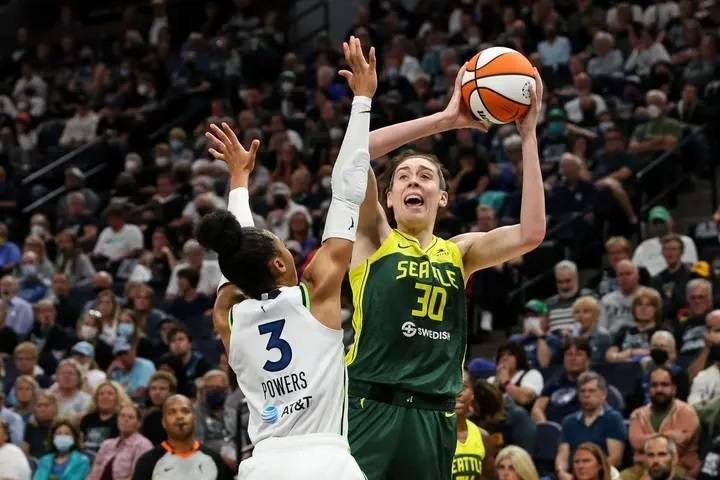
Basketball, a sport celebrated for its dynamic positions and strategic gameplay, sees the power forward stand as a key figure on the court. In this comprehensive exploration, we delve into the intricacies of the power forward position, unraveling the attributes, responsibilities, and impact that define this pivotal role. From dominating the paint to showcasing versatility beyond the arc, the power forward embodies a unique blend of strength, skill, and adaptability.
Understanding the Power Forward Position
Definition and Role:
Interior Presence:

The power forward, often referred to as the “four” or “4,” primarily operates in the interior, contributing to scoring, rebounding, and defense in the paint.
Versatility:
Modern power forwards showcase versatility by extending their skills to mid-range and three-point shooting, making them threats from various areas on the court.
Physical Attributes:
Size and Strength:
Power forwards typically possess a combination of size and strength, allowing them to battle for position in the post and secure rebounds.
Agility:
While size is a crucial aspect, agile power forwards can navigate the court efficiently, both offensively and defensively.
Offensive Prowess of the Power Forward
Scoring in the Post:
Low-Post Moves:

Power forwards utilize a repertoire of low-post moves, including drop steps, hook shots, and spin moves, to score in close proximity to the basket.
Back-to-the-Basket Game:
Developing a reliable back-to-the-basket game allows power forwards to take advantage of mismatches and exploit one-on-one situations.
Mid-Range Shooting:
Face-Up Game:
Power forwards with a face-up game can effectively take defenders off the dribble or knock down mid-range jumpers, adding a layer of offensive unpredictability.
Pick-and-Pop:
Engaging in pick-and-pop plays with guards involves setting screens and then popping out to shoot, stretching the defense and creating scoring opportunities.
Three-Point Shooting:
Stretching the Floor:
Modern power forwards often possess the ability to shoot from beyond the arc, stretching the floor and forcing opposing big men to defend on the perimeter.
Trail Three-Pointers:
Trailing the play and hitting three-pointers in transition adds an element of surprise to a power forward’s offensive arsenal.
Rebounding Excellence
Offensive Rebounding:
Second-Chance Points:

Securing offensive rebounds allows power forwards to generate second-chance points, extending possessions and putting additional pressure on the defense.
Putbacks:
Effective power forwards capitalize on offensive rebounds with putback scores, converting missed shots into immediate scoring opportunities.
Defensive Rebounding:
Cleaning the Glass:
Adept at defensive rebounding, power forwards contribute to ending opponents’ possessions and initiating fast breaks for their own team.
Outlet Passing:
Immediately following a defensive rebound, power forwards often showcase strong outlet passing skills, igniting fast breaks and transition offense.
Defensive Impact
Interior Defense:
Shot Blocking:
Shot-blocking prowess is a valuable asset for power forwards, deterring opponents from driving to the basket and protecting the rim.
Post Defense:
Solid post defense involves denying entry passes, maintaining proper positioning, and using physicality to disrupt opponents in the paint.
Perimeter Defense:
Switching onto Guards:
With the rise of versatile power forwards, the ability to switch onto guards and defend perimeter players has become increasingly important.
Closeout Effectively:
Closing out on shooters and contesting perimeter shots are crucial defensive responsibilities for power forwards facing stretch fours.
Facilitating and Passing
High-Post Passing:
Playmaking Ability:

Power forwards with playmaking skills can facilitate offense from the high post, creating opportunities for teammates with well-timed passes.
Reading Defenses:
Understanding defensive rotations and making smart decisions with the ball allow power forwards to exploit openings and create scoring chances.
Pick-and-Roll Execution:
Setting Screens:
Actively participating in pick-and-roll plays, power forwards set screens for ball handlers and roll to the basket, presenting scoring options.
Decision-Making:
Effective decision-making in pick-and-roll situations involves reading the defense and choosing between rolling to the basket, popping for a jumper, or making a pass.
Transition Offense and Defense
Running the Floor:
Rim Runs:
Sprinting down the court in transition, power forwards can execute rim runs, positioning themselves for easy scoring opportunities near the basket.
Trail Transition:
Trail transition involves power forwards trailing the play and being ready to receive kick-out passes for open shots or attacking the rim.
Defensive Transition:
Rim Protection:
In defensive transition, power forwards contribute to protecting the rim, contesting shots, and preventing easy scoring opportunities for opponents.
Sprinting Back:
Demonstrating the ability to sprint back on defense, power forwards play a crucial role in preventing fast-break points and maintaining defensive integrity.
Leadership and Communication
On-Court Leadership:
Vocal Presence:

Effective power forwards communicate on the court, providing vocal leadership to coordinate defensive assignments, offensive sets, and overall team strategy.
Leading by Example:
Leading by example through hustle, tenacity, and executing plays inspires teammates and sets a standard for intensity on the court.
Communication on Defense:
Switching and Rotations:
Clear communication is vital for power forwards when switching on defense, rotating to cover open shooters, and maintaining defensive cohesion.
Help Defense:
Communicating in help defense situations ensures that power forwards provide timely assistance to teammates and deter opponents from driving to the basket.
Player Development and Training
Skill Enhancement:
Shooting Drills:
Dedicated shooting drills, both in the post and from the perimeter, enhance a power forward’s scoring abilities and shooting efficiency.
Agility Workouts:
Agility-focused workouts improve a power forward’s mobility, allowing them to move swiftly on the court and navigate through traffic.
Film Study:
Analyzing Game Footage:
Studying game footage helps power forwards identify strengths, weaknesses, and areas for improvement in their individual and team performances.
Opponent Scouting:
Analyzing opponents’ playing styles and tendencies aids power forwards in making informed decisions on both ends of the court.
Strategies for Teams and Coaches
Maximizing Strengths:
Tailoring Offensive Sets:

Coaches design offensive sets that capitalize on the strengths of their power forwards, whether it be post scoring, mid-range shooting, or three-point shooting.
Defensive Systems:
Adapting defensive systems to leverage a power forward’s shot-blocking ability, rebounding prowess, and versatility enhances overall team defense.
Tactical Adjustments:
In-Game Adaptations:
Coaches make in-game adjustments based on the opposing team’s defensive schemes, matchups, and the evolving flow of the game.
Substitution Patterns:
Strategic substitutions ensure that power forwards are rested and utilized effectively throughout the course of the game.
Iconic Power Forwards in Basketball History
Tim Duncan:
Fundamental Excellence:
Tim Duncan’s fundamental approach to the game showcased excellence in scoring, rebounding, and shot-blocking, defining the power forward position.
Leadership:
Duncan’s leadership qualities and ability to anchor the defense contributed to the San Antonio Spurs’ sustained success.
Karl Malone:
Scoring Prowess:
Karl Malone’s scoring prowess, both in the post and with mid-range jumpers, solidified his status as one of the greatest power forwards in NBA history.
Durability:
Malone’s durability and consistency over a long career made him a reliable force for the Utah Jazz and later the Los Angeles Lakers.
The Evolving Role of the Power Forward
Small-Ball Lineups:
Stretch Fours:
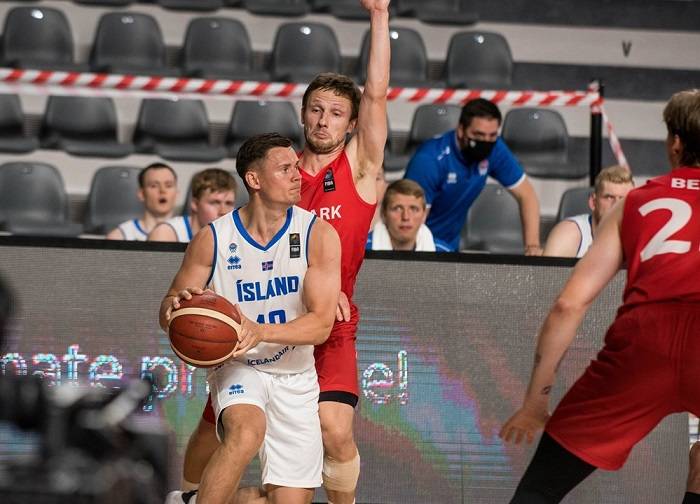
The emergence of “stretch fours” emphasizes power forwards with three-point shooting ability, providing spacing for the offense.
Defensive Switching:
Versatile power forwards fit seamlessly into small-ball lineups, allowing teams to switch defensively and adapt to different matchups.
Positionless Basketball:
Fluid Roles:
The concept of positionless basketball blurs traditional position distinctions, allowing power forwards to take on diverse roles based on their skill sets.
Playmaking Forwards:
Some power forwards now serve as playmaking forwards, contributing to ball handling and facilitating offense like traditional wings.
Related Post:
Mastering All Volleyball Positions: A Comprehensive Guide to Court Excellence
Decoding Soccer Scoring: Unveiling the Artistry of Finding the Net
The Grand Stage of Golf: Unveiling the Majesty of the Biggest Golf Tournament
In the grand narrative of basketball, the power forward stands as a pillar of strength, skill, and versatility. From dominating the post to showcasing three-point range, the evolution of the power forward mirrors the ever-changing landscape of the sport.
As teams strategize and coaches mold their game plans, the power forward remains a linchpin in the intricate dance of basketball. Whether towering over defenders in the paint or drilling a crucial three-pointer, the power forward’s impact reverberates through every possession, leaving an indelible mark on the game’s storied history. As basketball continues to evolve, the power forward’s legacy endures—a testament to the enduring essence of this dynamic and influential position.