

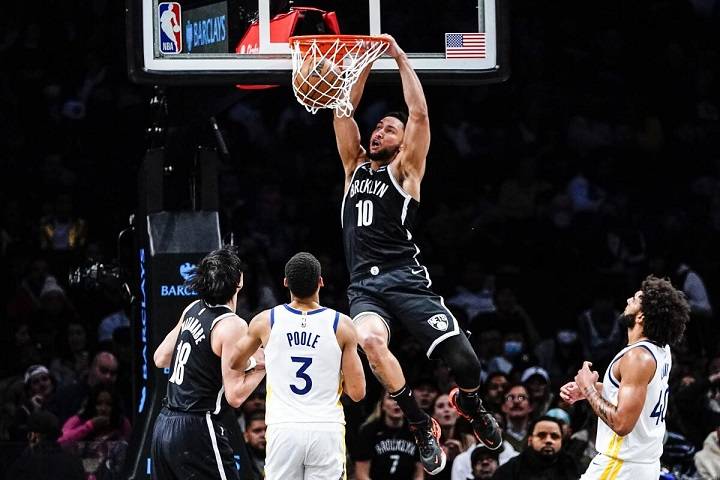
Basketball, a sport characterized by fast-paced action and strategic gameplay, unfolds in two distinct halves, each presenting a unique narrative of skill, teamwork, and competition. In this comprehensive exploration, we delve into the intricacies of the first half in basketball, unraveling the tactics, strategies, and dynamics that define the initial phases of a game. From the opening tip-off to halftime adjustments, each moment in the first half contributes to the unfolding drama on the hardwood.
Understanding the Structure of Basketball
The Basics of Basketball Halves:
Division of Gameplay:

A standard basketball game consists of four quarters, with each quarter further divided into two halves. The first and second quarters collectively form the first half, while the third and fourth quarters constitute the second half.
Timing:
In professional basketball, each quarter typically lasts 12 minutes, resulting in a 24-minute first half. However, variations exist in different leagues and levels of play.
Opening Tip-Off:
Starting the Game:
The first half commences with the opening tip-off, where a referee tosses the ball into the air at center court, and players from each team vie for possession.
Possession Arrow:
The possession arrow, determined by a jump ball or an alternating possession rule, influences which team gets the ball to start the second half.
Offensive Strategies in the First Half
Fast Break Opportunities:
Quick Transitions:

Teams often capitalize on fast break opportunities in the first half, pushing the ball up the court rapidly to catch the opposing defense off-guard.
Transition Offense:
Efficient transition offense involves exploiting moments when the opponent’s defense is not fully set, leading to high-percentage scoring chances.
Establishing Rhythm:
Offensive Sets:
Coaches implement specific offensive sets and plays to establish a rhythm, involving precise ball movement, player positioning, and screening actions.
Scoring Balance:
Teams aim for a balanced scoring approach, involving multiple players contributing points to keep the defense guessing.
Three-Point Shooting:
Outside Shooting:
Utilizing three-point shooting as a strategic weapon, teams aim to stretch the defense and create spacing on the floor.
Hot Hand:
Identifying players with a hot hand in the first half and feeding them the ball for outside shots can become a focal point of offensive strategies.
Defensive Tactics in the First Half
Defensive Intensity:
Press Defense:

Implementing press defense in the first half can disrupt the opponent’s offensive flow, applying pressure on ball handlers and creating turnovers.
Shot Contests:
Effective defense involves closing out on shooters, contesting shots, and protecting the rim to limit the opponent’s scoring efficiency.
Rebounding Battles:
Offensive Rebounds:
Securing offensive rebounds provides teams with second-chance opportunities, extending possessions and potentially leading to additional points.
Defensive Rebounds:
Controlling the defensive boards prevents the opposing team from capitalizing on second-chance points and facilitates the transition to offense.
Player Rotations and Substitutions
Managing Player Minutes:
Player Fatigue:

Coaches carefully manage player minutes in the first half to avoid fatigue and ensure that key contributors are available throughout the game.
Rotation Patterns:
Strategic player rotations involve substitutions based on matchups, playing styles, and individual player performances in the first half.
Foul Trouble Considerations:
Personal Fouls:
Players accumulating personal fouls in the first half may be subbed out to avoid potential disqualification later in the game.
Defensive Adjustments:
Coaches make defensive adjustments if key players are in foul trouble, altering strategies to minimize the risk of additional fouls.
Halftime Adjustments and Strategies
Coaching Assessments:
Analyzing Performance:
During halftime, coaches assess the team’s performance in the first half, evaluating both offensive and defensive execution.
Statistical Review:
Reviewing key statistics, such as shooting percentages, turnovers, and rebounding numbers, informs coaches’ halftime talks and adjustments.
Tactical Tweaks:
Offensive Variations:
Coaches may introduce new offensive sets, plays, or variations to exploit defensive weaknesses identified in the first half.
Defensive Adjustments:
Tactical adjustments on defense involve addressing vulnerabilities, adapting to opponents’ strategies, and improving overall defensive cohesion.
Momentum Shifts and Key Moments
Runs and Momentum:
Scoring Runs:

Teams aim to create scoring runs in the first half, stringing together consecutive baskets to build momentum.
Halting Opponent Runs:
Halting an opponent’s scoring run is crucial, requiring defensive stops and strategic offensive possessions to shift momentum.
Key Moments:
Buzzer-Beaters:
Buzzer-beating shots at the end of the first half can swing momentum and energize teams heading into the locker room.
Game-Changing Plays:
Steals, blocks, and highlight-reel dunks in the first half can be game-changing moments that impact morale and momentum.
Strategies for Fans and Enthusiasts
Observing Player Matchups:
Individual Battles:

Enthusiasts can observe individual matchups in the first half, noting how players defend, score, and contribute to their team’s success.
Player Dynamics:
Understanding the dynamics between teammates and observing their communication and collaboration provides insights into team chemistry.
Analyzing Coaching Decisions:
Timeout Usage:
Coaches strategically use timeouts in the first half to make adjustments, provide rest, and address critical moments in the game.
Substitution Patterns:
Analyzing coaches’ substitution patterns helps enthusiasts understand strategic decisions and how rotations impact team dynamics.
Iconic First-Half Performances
Record-Setting Games:
Scoring Feats:

Notable scoring performances in the first half, such as high individual point totals or team records, add to the lore of the game.
Defensive Dominance:
Games where teams showcase exceptional defensive prowess in the first half, limiting opponents to minimal scoring, leave a lasting impression.
Overtime Thrillers:
First-Half Overtimes:
Occasionally, games feature first-half overtimes, adding an extra layer of excitement and drama to the basketball narrative.
Game-Winning Shots:
Memorable game-winning shots in the first half of overtime contests become iconic moments etched in basketball history.
Related Post:
Mastering the Game: The Crucial Role of PSI in Basketball Excellence
Decoding Bowling Scoring: A Comprehensive Guide to Wicket-Taking Excellence
Mastering Skills of Cricket: A Comprehensive Guide to On-field Excellence
In the grand theater of basketball, the first half serves as the opening act, setting the stage for the unfolding drama of the game. From the strategic maneuvers of coaches to the dynamic plays executed by players, each possession contributes to the rhythmic ebb and flow of basketball’s symphony.
As fans and enthusiasts immerse themselves in the spectacle, the first half becomes a canvas where the artistry of basketball is painted stroke by stroke. Whether it’s a buzzer-beater, a strategic timeout, or a record-setting performance, the first half encapsulates the essence of the game—a thrilling journey that captivates audiences and sets the tone for the crescendo that awaits in the second half.