

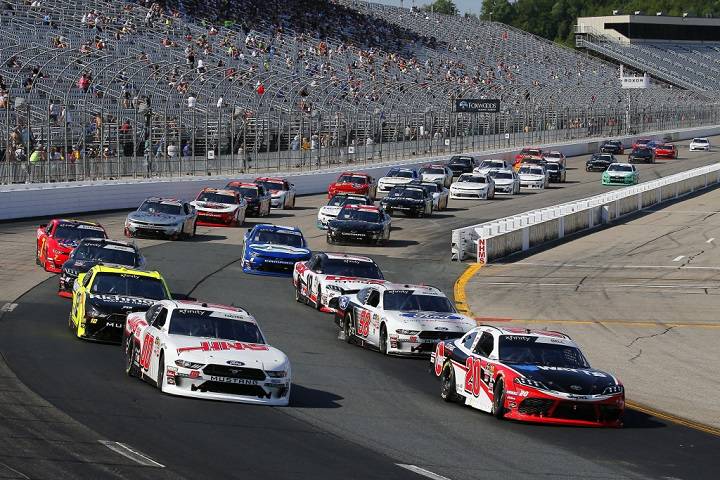
NASCAR, the pinnacle of stock car racing, unfolds on the asphalt stages of speed where machines roar, and drivers push the limits of velocity. The pursuit of top speed is a defining aspect of NASCAR, with cars hurtling around ovals and tracks at breathtaking rates. In this in-depth exploration, we delve into the world of top speeds in NASCAR, unraveling the nuances of the machines, the tracks, and the remarkable achievements that shape the adrenaline-fueled sport.
Understanding NASCAR Speed
The Basics of Speed:
Velocity on the Track:

Speed in NASCAR is measured in miles per hour (mph), capturing the velocity of cars as they navigate the twists and turns of the racetrack.
Aerodynamics:
A crucial factor influencing speed is the aerodynamics of the race cars. Engineers optimize the shape and design to reduce drag and enhance speed.
Types of Tracks:
Superspeedways:
Tracks over a mile in length, known as superspeedways, often witness higher top speeds due to their long straights.
Short Tracks:
Smaller tracks, less than a mile in length, demand different driving strategies and may see lower top speeds.
Qualifying and Racing Speeds:
Qualifying Speeds:
During qualifying sessions, drivers aim for their fastest laps to determine their starting positions. This often results in some of the highest speeds seen on the track.
Racing Speeds:
While racing, factors like tire management and traffic can influence speeds, with fluctuations throughout a race.
The Need for Speed: NASCAR Cars
Stock Car Foundation:
Production-Based Vehicles:

NASCAR cars are based on production models but are extensively modified for racing, including powerful engines, aerodynamic enhancements, and safety features.
Manufacturer Influence:
While the cars share a common template, manufacturers like Chevrolet, Ford, and Toyota maintain distinct characteristics.
Engine Power:
High-Performance Engines:
NASCAR cars are equipped with high-performance V8 engines, producing significant horsepower and torque.
Horsepower and Speed:
The relationship between horsepower and speed is a critical aspect, with more powerful engines enabling higher top speeds.
Aerodynamics and Speed:
Drafting:
The aerodynamic phenomenon of drafting, where cars closely follow each other, plays a strategic role in achieving higher speeds.
Aero Packages:
Changes in the aerodynamic configurations, referred to as aero packages, can impact a car’s speed and handling characteristics.
Top Speed Achievements
Fastest Qualifying Laps:
Daytona International Speedway:
Daytona, a renowned superspeedway, has seen qualifying speeds exceed 200 mph, showcasing the prowess of NASCAR machines.
Talladega Superspeedway:
Talladega, another superspeedway, is known for high-speed racing, with qualifying laps pushing the limits of velocity.
Record-Breaking Moments:
Bill Elliott’s Talladega Record:
In 1987, Bill Elliott set the NASCAR qualifying record at Talladega with a mind-boggling speed of over 212 mph.
Speed Records at Indianapolis:
The iconic Indianapolis Motor Speedway has witnessed record-breaking speeds, further underlining the evolution of NASCAR technology.
Influencing Factors on Track
Track Conditions:
Surface Type:
The type of track surface, whether asphalt or concrete, can influence tire grip and, consequently, top speeds.
Weather Conditions:
Temperature and weather conditions, including wind, impact a car’s performance and top speed on the track.
Tire Management:
Wear and Grip:
Tire wear and grip levels are critical considerations, with drivers and teams strategising to maintain optimal performance throughout a race.
Pit Stops and Strategy:
Strategic tire management, including well-timed pit stops, is pivotal in maximising speed throughout a race.
Evolution of NASCAR Speed
Technological Advancements:
Engine Technology:
Advancements in engine technology, including fuel injection systems and engine management, contribute to increased power and speed.
Computational Simulation:
Teams use computational simulation to optimize aerodynamics and fine-tune car setups for maximum speed.
Safety Innovations:
Safety Enhancements:
While pursuing higher speeds, NASCAR has prioritized safety innovations, including energy-absorbing barriers, HANS devices, and safer barriers.
Balance of Speed and Safety:
The sport continually seeks a balance between pushing the limits of speed and ensuring the safety of drivers.
The Spectacle of Speed
Fan Experience:
Thrill of High Speeds:
Fans are drawn to the exhilarating experience of witnessing cars reach incredible speeds, creating a visceral connection to the sport.
Track Atmosphere:
The unique atmosphere at NASCAR tracks, amplified by the thunderous roar of engines, adds to the excitement of high-speed racing.
Iconic Races:
Daytona 500:
The Daytona 500, known as “The Great American Race,” is synonymous with high-speed competition, attracting millions of viewers.
Talladega Superspeedway Races:
Races at Talladega are celebrated for their fast-paced, edge-of-the-seat action, often resulting in photo-finishes.
Challenges and Strategies
Handling Dynamics:
Balancing Speed and Control:
Drivers must balance achieving top speeds and maintaining control, especially in tight turns and congested racing conditions.
Precision in Turns:
Negotiating turns at high speeds requires precision, with drivers employing skillful techniques like the “slide job” to maintain momentum.
Strategic Pit Stops:
Tire and Fuel Management:
Strategic pit stops for tire and fuel management are pivotal, influencing a car’s performance and speed in later stages of a race.
Adjustments for Optimal Speed:
Teams make real-time adjustments during pit stops, including changes to tire pressure and aerodynamics, to optimize speed.
Legendary Drivers and Speed Legends
Dale Earnhardt:
Intimidator’s Legacy:
Dale Earnhardt, known as “The Intimidator,” left an indelible mark on NASCAR, showcasing a combination of skill and fearlessness.
Record of Success:
Earnhardt’s record of seven NASCAR Cup Series championships attests to his dominance on the track.
Richard Petty:
The King’s Reign:
Richard Petty, “The King” of NASCAR, is celebrated for his accomplishments, including a record 200 Cup Series wins.
Iconic Speed Moments:
Petty’s legacy includes iconic speed moments, contributing to his status as one of the sport’s all-time greats.
Strategies for Speed Enthusiasts
Trackside Experience:
Attend Live Races:
Experiencing a NASCAR race live allows fans to feel the rush of air as cars speed by and hear the thunderous engine roars.
Access to Superspeedways:
Attending races at superspeedways like Daytona and Talladega provides a front-row seat to witness record-breaking speeds.
Virtual Reality:
NASCAR Simulations:
Virtual reality simulations allow fans to experience the speed and intensity of NASCAR racing virtually.
Immersive Racing Games:
Immersive racing games provide a taste of the high-speed world of NASCAR, allowing players to control virtual race cars.
Related Post:
Pursuit of Glory: how many world cups does Portugal have
Unveiling the Versatility: The Role of a Small Forward in Basketball
How Many Sets Are in Tennis: A Comprehensive Guide to Tennis Set Structure
In the heart-pounding realm of NASCAR, the pursuit of top speeds unfolds as a captivating symphony of technology, strategy, and raw driving skill. From the thunderous roars at Daytona to the nail-biting finishes at Talladega, NASCAR’s quest for velocity continues to push the boundaries of what’s possible on the racetrack.
As technology evolves, safety measures advance, and legendary drivers leave their mark, the sport remains a testament to the enduring appeal of speed. Whether it’s the record-breaking qualifying laps, the strategic pit stops, or the iconic races etched in history, NASCAR’s top speeds are not just about velocity—they’re about the pulse-pounding excitement that defines this adrenaline-fueled journey on the asphalt stages of speed.