

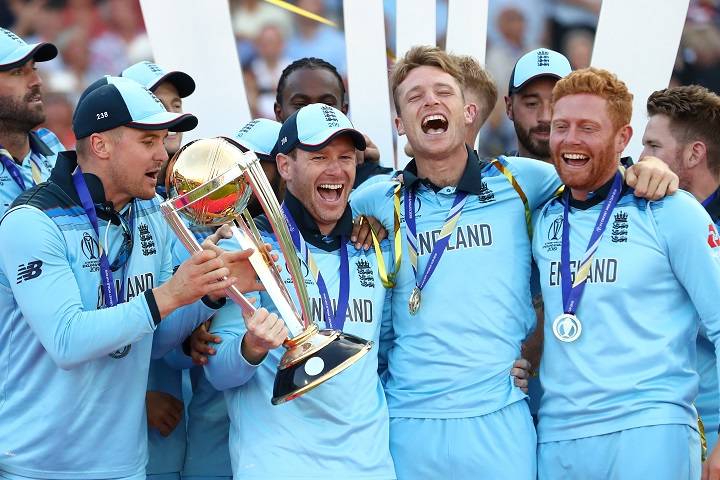
Cricket, a sport deeply ingrained in the cultural fabric of many nations, has not only captivated millions with its thrilling matches but has also emerged as a lucrative profession for talented individuals. The economics of cricket players’ earnings is a multifaceted subject, encompassing various factors that contribute to the financial landscape of the players. In this comprehensive exploration, we delve into the intricate world of how much cricket players make, examining the diverse revenue streams, contracts, endorsements, and the global dynamics that shape the financial trajectories of these sporting icons.
Understanding Cricket’s Global Significance
International Cricket Council (ICC) Tournaments:
World Cups:

ICC Cricket World Cups, held for both the 50-over and T20 formats, represent the pinnacle of international cricket. Participation in these tournaments not only offers players the chance to compete for glory but also significantly impacts their earnings.
Champions Trophy and World Test Championship:
Other ICC events, including the Champions Trophy and the World Test Championship, contribute to the players’ exposure on the global stage and influence their market value.
Domestic T20 Leagues:
Indian Premier League (IPL):
The IPL, often dubbed the richest T20 league globally, has revolutionized cricket economics. Players from around the world participate, attracting substantial financial rewards through auctions and player contracts.
Big Bash League (BBL), Caribbean Premier League (CPL), and Others:
Various other T20 leagues, such as the BBL and CPL, offer additional opportunities for players to showcase their skills and enhance their financial prospects.
Breaking Down Cricket Players’ Earnings
Central Contracts:
National Cricket Boards:

Most cricket-playing nations have a central contract system wherein the national cricket boards sign players to contracts. These contracts often include a retainer fee, match fees, and performance-based bonuses.
Contract Categories:
Players are categorized into different tiers based on their experience, performance, and seniority. Higher-tiered players receive more lucrative contracts.
Match Fees and Bonuses:
Test Matches, ODIs, and T20 Internationals:
Players earn match fees for representing their country in Test matches, One Day Internationals (ODIs), and T20 Internationals. Additional bonuses are often awarded for exceptional performances.
Series Wins and Milestones:
Teams may offer bonuses for winning series, achieving specific milestones (such as centuries or five-wicket hauls), or securing top rankings.
Domestic Cricket:
First-Class and List A Cricket:
Apart from international cricket, players participate in domestic competitions, earning match fees and bonuses based on their performances in first-class and List A cricket.
Domestic T20 Leagues:
Participation in domestic T20 leagues provides players with substantial earnings, often exceeding what they might earn in their home countries.
Franchise T20 Leagues:
Auction System:
Franchise T20 leagues, especially the IPL, feature an auction system where teams bid for players. The highest bidder secures the player’s services for the season.
Player Contracts:
Apart from auction earnings, players sign contracts with franchises that outline their remuneration, which may include a fixed fee, performance bonuses, and endorsements.
The Impact of Player Performance on Earnings
Consistency and Form:
Contract Renewals:
Consistent performance often leads to contract renewals at higher retainer fees. Players in top form command greater attention from franchises, sponsors, and advertisers.
Endorsement Opportunities:
A player’s on-field success directly correlates with their off-field earning potential through endorsements and sponsorship deals.
Milestones and Records:
Achieving Milestones:
Breaking records and achieving significant milestones, such as becoming the leading run-scorer or wicket-taker, can trigger bonuses and increased market value.
Attracting Sponsors:
Players who etch their names in the record books become attractive to sponsors seeking to associate with success and excellence.
The Role of Endorsements in Cricket Players’ Earnings
Brand Endorsements:
Global Brands:
Successful cricketers often become the face of global brands, endorsing products ranging from sports equipment to consumer goods.
Brand Ambassadorships:
Players may secure ambassadorial roles with brands, contributing to their overall earnings.
Personal Sponsorships:
Equipment and Apparel:
Top players often sign personal sponsorship deals with equipment and apparel manufacturers, receiving financial incentives and custom-designed gear.
Personal Branding:
A player’s personal brand, built on their image, achievements, and personality, plays a crucial role in attracting sponsors.
Factors Influencing Cricket Players’ Earnings
Format Specialization:
T20 Specialists:
Players who excel in the T20 format, known for its fast-paced and entertaining nature, are in high demand for domestic and franchise leagues, resulting in significant earnings.
Test Cricket Prowess:
Test cricket specialists, though earning match fees, may find additional financial opportunities through endorsements and coaching roles.
Global Tournaments:
Participation in Leagues:
Players who participate in multiple T20 leagues globally maximize their earning potential. The ability to adapt to different playing conditions enhances their market value.
Representing Multiple Countries:
Dual citizens or players eligible to represent multiple countries may choose to play for different teams, expanding their opportunities.
Financial Management and Investments
Financial Planning:
Career Span:
Cricket players typically have a finite playing career, and financial planning becomes crucial to ensure long-term stability post-retirement.
Retirement Planning:
Savvy players engage in retirement planning, including investments, to secure their financial future.
Business Ventures:
Entrepreneurial Pursuits:
Some players venture into business, investing in ventures ranging from restaurants and fashion lines to sports academies.
Post-Retirement Careers:
Transitioning to roles such as coaching, commentary, and mentoring provides additional income streams for retired players.
Comparisons Across Nations
Disparities in Contracts:
Economic Disparities:
Cricket boards in economically stronger nations may offer more lucrative contracts than those in less economically developed countries.
Performance-Based Contracts:
Some boards structure contracts to reward performance, creating opportunities for players to maximize earnings.
Impact of Domestic Leagues:
T20 Leagues as Equalizers:
Participation in T20 leagues can serve as an equalizer, providing players from smaller cricketing nations with opportunities to earn on par with their counterparts.
Exposure and Marketability:
Successful performances in domestic leagues enhance a player’s visibility and marketability, attracting attention from sponsors and franchises.
Challenges and Considerations
Injuries and Career Uncertainties:
Insurance Coverage:
Given the physical nature of the sport, players often invest in insurance coverage to mitigate financial risks associated with injuries.
Short Career Spans:
The relatively short span of a cricketing career necessitates careful financial planning to secure post-retirement life.
Sponsorship Dynamics:
Market Trends:
The dynamics of brand endorsements are subject to market trends, and players must stay relevant to continue attracting sponsors.
Ethical Considerations:
Players often navigate ethical considerations when endorsing products, aligning their personal brand with sponsors that reflect their values.
Related Post:
Understanding How Many Players on An American Football Team Total Play in A Team
Unveiling the Duration: How Long Are Basketball Quarters in Different Leagues?
Exploring the Sporting Landscape: Unveiling the Diversity of Sports
In the realm of professional cricket, the pursuit of excellence extends beyond the boundaries of the cricket field to the complex terrain of financial management, contracts, and endorsements. Cricket players, whether representing their nations or donning the colors of various franchises, navigate a multifaceted landscape where performance, marketability, and business acumen converge.
As the cricketing world evolves, so too does the economic landscape for players. From central contracts to franchise leagues and global endorsements, the earnings of cricket players reflect not only their on-field prowess but also their ability to leverage their image and skills in the broader marketplace. As fans cheer for their cricketing heroes, the financial journeys of these players unfold, painting a portrait of the business of playing cricket—an intricate tapestry woven with skill, strategy, and the pursuit of success on and off the field.