

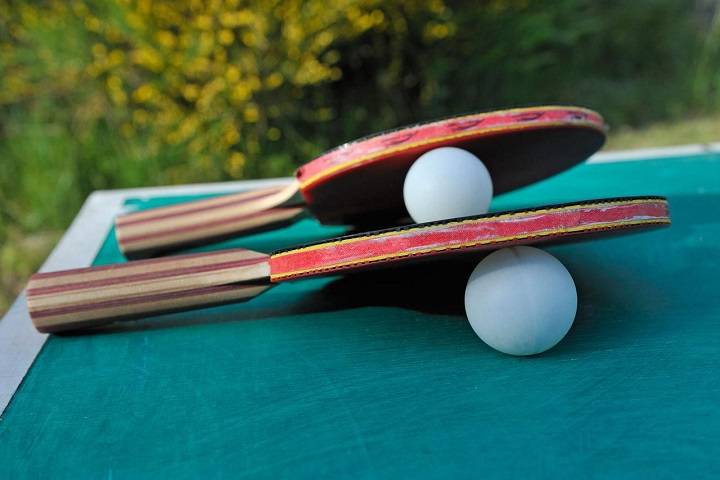
In the fast-paced realm of table tennis, where rallies unfold in the blink of an eye and precision is paramount, the choice of equipment becomes a critical factor in a player’s performance. From the rubber on the paddle to the type of ball used, every element contributes to the unique dynamics of the game. In this comprehensive exploration, we delve into the intricacies of table tennis equipment, unraveling the science behind paddle construction, the nuances of rubber selection, and the impact of diverse ball choices.
Understanding Table Tennis Equipment
The Table Tennis Paddle: Crafted for Precision
Blade Composition:

At the heart of a table tennis player’s arsenal is the paddle, or racket. The paddle’s blade, usually composed of wood, determines its fundamental characteristics. Players can choose from a variety of blade types, each offering a distinct blend of speed, control, and spin.
Handle Styles:
Table tennis paddles come with different handle styles to accommodate the player’s grip preference. Whether it’s a straight handle, anatomic grip, or flared handle, the choice can significantly impact a player’s comfort and maneuverability during intense rallies.
Rubber Surfaces:
The surfaces of a table tennis paddle are covered with rubber, and the type of rubber used influences the spin and speed imparted to the ball. Players often opt for a combination of rubber types—one for the forehand side and another for the backhand—to suit their playing style.
Rubber Selection: Unleashing the Spin Dynamics
Pips-Out vs. Pips-In:
The rubber on a table tennis paddle comes in two main varieties: pips-out and pips-in. Pips-out rubber has the rubber pimples facing outward, providing a unique playing experience with less spin but added control. Pips-in rubber, on the other hand, has the pimples facing inward, enabling players to generate more spin.
Sponge Thickness:
The thickness of the sponge beneath the rubber also plays a crucial role. Thicker sponges generally result in more speed and spin, but they may sacrifice some control. Players often experiment with different sponge thicknesses to find the optimal balance for their style of play.
Grip and Tackiness:
The level of grip and tackiness of the rubber surface affects the spin potential of a shot. A grippier surface allows players to impart more spin on the ball, making it an essential consideration for those who prioritize spin-oriented strategies.
The Table Tennis Ball: Sizing Up the Options
Material Composition:
Table tennis balls are made of various materials, with celluloid historically being the standard. However, modern table tennis has transitioned to plastic balls due to environmental concerns and consistency in manufacturing. Plastic balls offer durability and a uniform bounce, contributing to fair and predictable gameplay.
Color and Quality:
While white is the traditional color for table tennis balls, orange has gained popularity, especially in international competitions. The quality of the ball is determined by factors such as bounce, roundness, and uniformity. Professional players often use high-quality, seamless balls to ensure optimal performance.
Ball Size:
Table tennis balls come in different sizes, with 40mm being the standard diameter. The size of the ball impacts its aerodynamics and, consequently, its trajectory and bounce. Smaller balls tend to move faster and generate more spin.
Impact of Table Tennis Equipment on Gameplay
Playing Styles: Tailoring Equipment to Techniques
Aggressive Attacker:

Players with an aggressive attacking style may opt for paddles with faster blades and thicker sponge layers. The goal is to generate significant speed and spin during offensive plays, putting pressure on opponents through relentless attacks.
Defensive Player:
Defensive players prioritize control and consistency. Paddles with slower blades and softer rubbers allow for precise placement of shots and effective defensive maneuvers, such as chops and blocks.
All-Around Player:
All-around players seek a balanced combination of speed, control, and spin. Paddles with medium-speed blades and versatile rubbers on both sides cater to the needs of players who adapt their style based on the dynamics of the match.
Strategies for Equipment Customization
Trial and Error:
Finding the ideal table tennis equipment often involves a process of trial and error. Players experiment with different blade types, rubber combinations, and sponge thicknesses to discover the setup that aligns with their playing style and preferences.
Consultation with Coaches:
Professional players often work closely with coaches and equipment experts to fine-tune their setups. Coaches provide valuable insights into the technical aspects of the game and guide players in making informed decisions about their equipment.
Adaptation to Opponents:
In competitive table tennis, the ability to adapt to different opponents is crucial. Some players may prefer a defensive strategy against aggressive attackers, while others may adjust their equipment for greater spin to counter opponents with strong offensive capabilities.
Table Tennis Equipment Maintenance and Care
Cleaning and Storage: Preserving Performance
Rubber Cleaning:
Maintaining the condition of the rubber surfaces is essential for consistent performance. Players clean their rubber with specialized cleaners to remove dirt and residue, preserving the grip and tackiness that contribute to effective spin generation.
Proper Storage:
Table tennis paddles and balls should be stored in a cool, dry place to prevent warping of the blade and maintain the integrity of the rubber. Extreme temperatures and humidity can negatively impact the performance of both paddles and balls.
Replacement and Upgrades: Evolving with the Game
Regular Assessment:
Players regularly assess the condition of their equipment and make replacements or upgrades as needed. Rubber wears out over time, losing its grip and responsiveness. Upgrading to newer rubbers or blades allows players to adapt to changes in their playing style or address evolving needs.
Keeping Abreast of Technological Advancements:
The world of table tennis equipment sees continuous innovation. Players stay informed about the latest technological advancements, from new rubber formulations to blade designs, to ensure they are using cutting-edge gear that aligns with the demands of modern table tennis.
The Evolution of Table Tennis Equipment
Technological Advancements: From Celluloid to Plastic
Transition to Plastic Balls:
One of the significant changes in recent years has been the transition from celluloid to plastic table tennis balls. The shift addresses environmental concerns associated with celluloid production and introduces more consistency in ball manufacturing.
Innovations in Blade Materials:
Advancements in blade materials, including the use of composite materials, have led to paddles with enhanced characteristics. Composite blades offer a combination of speed and control, allowing players to tailor their equipment to specific playing styles.
Influence of Professional Players: Setting Trends
Endorsements and Signature Equipment:
Professional players often endorse specific brands and equipment, contributing to trends in the table tennis community. Signature paddles and rubbers, designed in collaboration with top players, gain popularity among enthusiasts looking to emulate the playing style of their favorite pros.
Adaptation to Rule Changes:
Table tennis equipment evolves not only due to technological advancements but also in response to rule changes. As the sport’s governing bodies implement new regulations, players adapt their equipment to comply with updated standards while maximizing performance.
Related Post:
- The Ultimate Guide to Team Sports: Exploring a Comprehensive Team Sports List
- The Dynamics of Soccer Teams: How Many Soccer Players Are on The Field
- Understanding How Many Players on An American Football Team Total Play in A Team
In the intricate dance of table tennis, where every stroke is a note and every rally a melody, the choice of equipment shapes the player’s performance and defines their playing style. From the classic wood blades reminiscent of the sport’s origins to the cutting-edge paddles adorned with the latest rubbers, table tennis equipment embodies a harmonious blend of tradition and innovation.
As players embark on the journey of perfecting their game, the quest for the ideal combination of paddle, rubber, and ball becomes a personal odyssey. Whether unleashing blistering forehand loops, executing delicate backhand pushes, or engaging in strategic rallies, table tennis enthusiasts find joy in the meticulous customization of their equipment—a symphony of spin, speed, and control that resonates across the table tennis landscape.