

Sports injuries can be complex and challenging to diagnose, and one of the more misunderstood conditions is the sports hernia. This term often raises questions among athletes and healthcare professionals alike. In this comprehensive blog post, we will explore “what is a sports hernia,” its symptoms, causes, treatment options, and preventive measures. Whether you’re an athlete, coach, or simply interested in sports medicine, this detailed exploration will provide valuable insights into this common yet often confusing injury.
Introduction to Sports Hernia
What is a Sports Hernia?
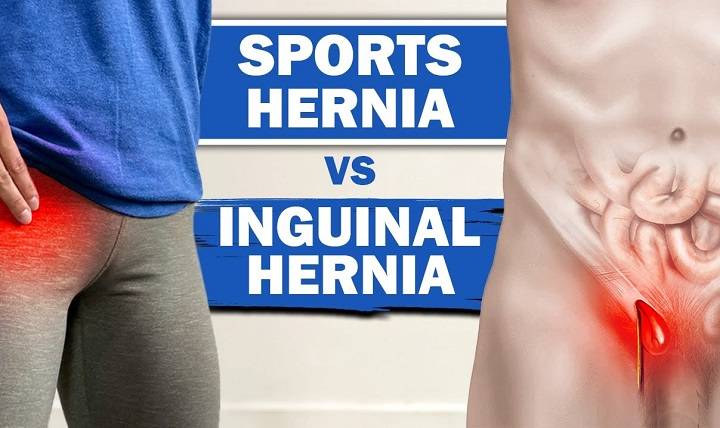
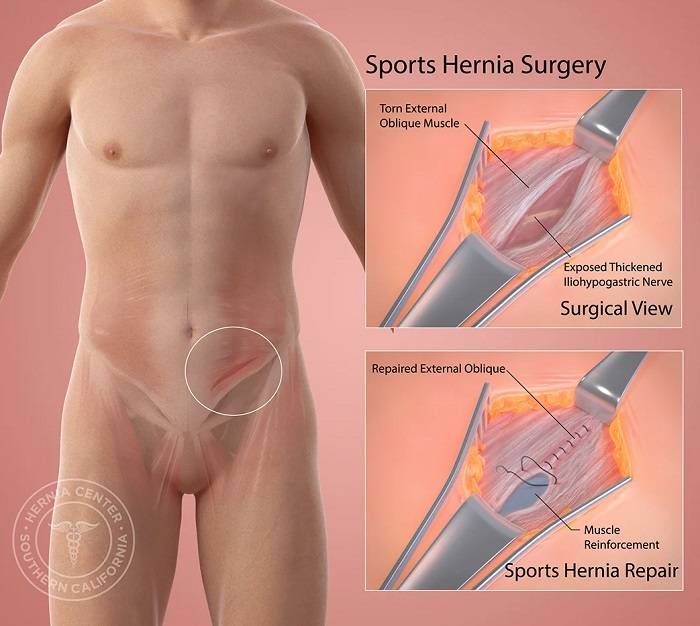
A sports hernia, also known as athletic pubalgia, is a painful, soft tissue injury that occurs in the groin area. Unlike a traditional hernia, where an organ pushes through the abdominal wall, a sports hernia involves a tear or strain of the muscles, tendons, or ligaments in the lower abdomen or groin area. Despite the name, a sports hernia does not always involve a visible bulge, making it more challenging to diagnose.
Why is Understanding Sports Hernia Important?
Understanding what a sports hernia is crucial for athletes, coaches, and healthcare professionals. Proper diagnosis and treatment are essential to prevent chronic pain and ensure a full recovery. This injury can significantly impact an athlete’s performance and career if not addressed correctly.
Symptoms of a Sports Hernia
Common Symptoms
Recognizing the symptoms of a sports hernia is the first step towards effective treatment. Common symptoms include:
- Groin Pain: Persistent pain in the groin area, which may worsen with physical activity.
- Lower Abdominal Pain: Pain that radiates to the lower abdomen, often aggravated by movements such as twisting or turning.
- Pain During Physical Activity: Increased pain during activities like running, kicking, or changing direction quickly.
- Tenderness: Tenderness and discomfort when pressing on the affected area.
Differences from Other Hernias
It is essential to distinguish a sports hernia from other types of hernias, such as inguinal hernias. While an inguinal hernia involves a protrusion through the abdominal wall, a sports hernia is a soft tissue injury without a noticeable bulge.
Causes of a Sports Hernia
Overuse and Repetitive Movements
One of the primary causes of a sports hernia is overuse and repetitive movements, particularly those involving sudden changes in direction, twisting, or intense physical activity. Sports such as soccer, hockey, football, and tennis are commonly associated with this injury.
Muscle Imbalance and Weakness
Muscle imbalances and weaknesses in the core muscles, hips, and groin area can contribute to the development of a sports hernia. When certain muscles are weaker than others, it places additional strain on the surrounding tissues, leading to injury.
Poor Conditioning
Poor conditioning and inadequate warm-up routines can increase the risk of a sports hernia. Athletes who do not properly prepare their bodies for intense physical activity are more susceptible to injuries.
Acute Trauma
In some cases, acute trauma or a sudden impact to the groin area can cause a sports hernia. This is less common but still a possible cause.
Diagnosis of a Sports Hernia
Clinical Examination
Diagnosing a sports hernia typically begins with a thorough clinical examination. A healthcare professional will evaluate the patient’s symptoms, medical history, and physical condition. They may ask the patient to perform specific movements to assess pain and tenderness.
Imaging Studies
Imaging studies, such as MRI (Magnetic Resonance Imaging) or ultrasound, may be used to confirm the diagnosis. These imaging techniques help visualize the soft tissues and identify any tears or strains.
Differential Diagnosis
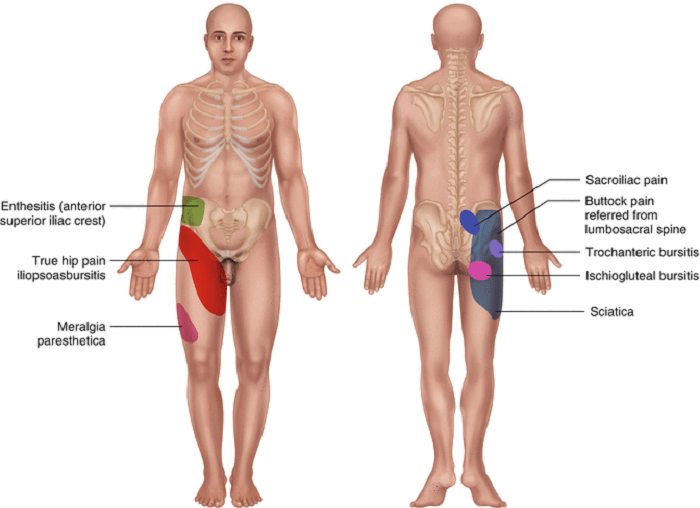
It is important to rule out other potential causes of groin pain, such as hip joint disorders, inguinal hernias, or hip labral tears. A differential diagnosis ensures that the appropriate treatment plan is developed.
Treatment Options for a Sports Hernia
Conservative Treatment
Rest and Activity Modification
One of the primary treatments for a sports hernia is rest and activity modification. Reducing or eliminating activities that aggravate the pain allows the injured tissues to heal.
Physical Therapy
Physical therapy is a crucial component of conservative treatment. A physical therapist will design a program to strengthen the core muscles, improve flexibility, and address any muscle imbalances. This helps support the healing process and prevent future injuries.
Medications
Nonsteroidal anti-inflammatory drugs (NSAIDs) may be prescribed to reduce pain and inflammation. In some cases, corticosteroid injections may be used for more severe pain.
Surgical Treatment
Indications for Surgery
Surgery may be considered if conservative treatments fail to relieve symptoms. Indications for surgery include persistent pain, inability to perform sports activities, and a lack of improvement with other treatments.
Types of Surgery
Surgical options for a sports hernia include:
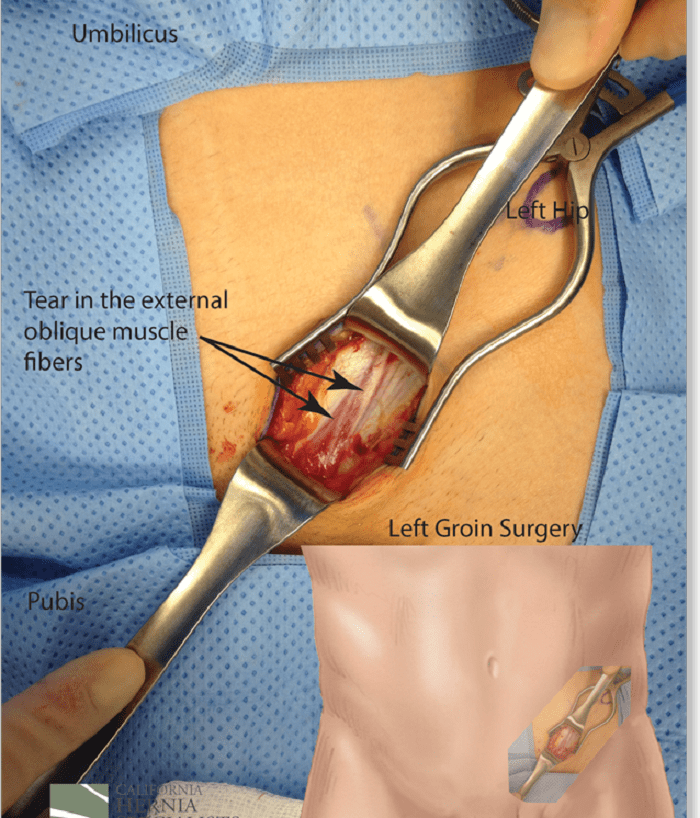
- Open Repair: A traditional surgical approach where the surgeon makes an incision to access and repair the injured tissues.
- Laparoscopic Repair: A minimally invasive technique that uses small incisions and specialized instruments to repair the injury.
Recovery and Rehabilitation
Post-surgery recovery involves a structured rehabilitation program. Physical therapy is essential to restore strength and flexibility, gradually returning the athlete to their sport.
Prevention of a Sports Hernia
Strengthening Core Muscles
Strengthening the core muscles, including the abdominals, obliques, and lower back, is crucial for preventing a sports hernia. A strong core provides stability and reduces the risk of injury.
Proper Warm-Up and Conditioning
Athletes should prioritize proper warm-up and conditioning routines. Dynamic stretching and sport-specific exercises prepare the muscles and joints for physical activity.
Addressing Muscle Imbalances
Identifying and addressing muscle imbalances through targeted exercises can prevent excessive strain on the groin area. A balanced training program ensures that all muscle groups are adequately conditioned.
Gradual Increase in Activity
Gradually increasing the intensity and duration of physical activity allows the body to adapt and reduces the risk of overuse injuries.
Table: Summary of Sports Hernia Information
| Aspect | Details |
| Definition | Soft tissue injury in the groin area, involving muscles, tendons, or ligaments |
| Common Symptoms | Groin pain, lower abdominal pain, pain during physical activity, tenderness |
| Causes | Overuse, repetitive movements, muscle imbalance, poor conditioning, acute trauma |
| Diagnosis | Clinical examination, imaging studies (MRI, ultrasound), differential diagnosis |
| Conservative Treatments | Rest, activity modification, physical therapy, medications |
| Surgical Treatments | Open repair, laparoscopic repair, followed by rehabilitation |
| Prevention | Strengthening core muscles, proper warm-up, addressing muscle imbalances, gradual activity increase |
FAQs
1. What is a sports hernia?
A sports hernia, or athletic pubalgia, is a painful soft tissue injury in the groin area, involving tears or strains of muscles, tendons, or ligaments. Unlike a traditional hernia, it does not involve a visible bulge.
2. What are the common symptoms of a sports hernia?
Common symptoms include persistent groin pain, lower abdominal pain, increased pain during physical activity, and tenderness in the affected area.
3. How is a sports hernia diagnosed?
Diagnosis involves a clinical examination, imaging studies such as MRI or ultrasound, and a differential diagnosis to rule out other causes of groin pain.
4. What are the treatment options for a sports hernia?
Treatment options include conservative methods such as rest, physical therapy, and medications. If these fail, surgical options like open repair or laparoscopic repair may be considered.
5. How can a sports hernia be prevented?
Prevention strategies include strengthening core muscles, proper warm-up and conditioning, addressing muscle imbalances, and gradually increasing physical activity intensity.
Related Post:
Pico Rivera Sports Arena Próximos Eventos 2023: Your Ultimate Guide
Toyota GT 86 Sports Coupe: A Comprehensive Review
Sports Illustrated Swimsuit Issue 2023: Celebrating Beauty, Diversity, and Empowerment
Understanding “what is a sports hernia” is essential for athletes, coaches, and healthcare professionals. This injury, though complex, can be effectively managed with the right diagnosis and treatment plan. By recognizing the symptoms early and taking preventive measures, athletes can reduce their risk and maintain their performance levels. Whether through conservative treatment or surgical intervention, addressing a sports hernia promptly is crucial for a successful recovery and return to sports activities. This comprehensive guide aims to provide all the necessary information to help you navigate this common yet often misunderstood sports injury.