

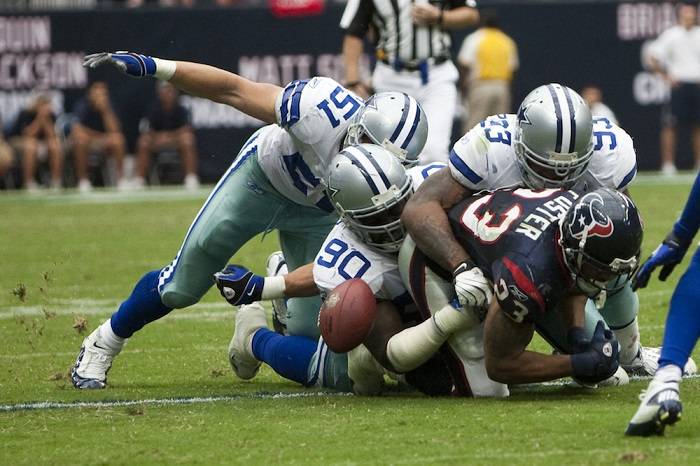
Football, a sport steeped in strategy and precision, unfolds on the gridiron with a rhythmic progression dictated by the clock and the structure of the game. Central to this orchestration is the concept of football quarters—an elemental division of the match that shapes the ebb and flow of play. In this extensive exploration, we dissect the nuances of football quarters, unraveling their significance, tactical implications, and the impact they have on the game. Join us on a journey through the four quarters of football, where strategy meets execution, and the pursuit of victory is measured in time segments.
Demystifying Football Quarters: The Fundamental Breakdown
Time Division:

A standard football game is divided into four quarters, each lasting 15 minutes. This division creates a structured framework for the unfolding drama on the field. The clock runs continuously, with occasional stoppages for various reasons, influencing the pace and urgency of play.
Halftime Interval:
At the conclusion of the second quarter, teams head to the locker rooms for halftime—a crucial intermission that allows for rest, strategic adjustments, and halftime entertainment. The break lasts approximately 12 minutes, offering both physical and mental respite.
Overtime Possibilities:
In the event of a tied score at the end of regulation, additional periods of overtime may be played. Overtime rules vary across different football leagues, with the objective of determining a winner in the case of a tie.
Tactical Dynamics: How Quarters Shape Strategy
Strategic Planning:
Coaches meticulously plan their approach to each quarter, taking into account the score, time remaining, and specific situations. The division into quarters allows for strategic adjustments and the implementation of game plans tailored to different phases of the match.
Clock Management:
Understanding the finite nature of each quarter, teams engage in clock management strategies. Controlling the clock becomes a tactical tool, with teams strategically using timeouts and plays to maximize scoring opportunities or preserve leads.
Halftime Adjustments:
Halftime serves as a pivotal moment for coaches to make adjustments based on the performance of the first two quarters. Tactical tweaks, lineup changes, and strategic shifts are often implemented to gain a competitive edge in the second half.
The Quarters Unveiled: A Closer Look at Each Phase
First Quarter: Setting the Tone

The opening quarter sets the tone for the game. Teams aim to establish their rhythm, evaluate the opponent’s strategy, and make initial forays into scoring territory. Conservative plays may be mixed with calculated risks as both teams seek an early advantage.
Second Quarter: Momentum and Positioning
As the game progresses, the second quarter becomes a crucial phase for building momentum. Teams look to secure a lead or equalize, and the clock becomes a more significant factor. The two-minute drill, a fast-paced offensive strategy, is often employed to maximize scoring opportunities before halftime.
Third Quarter: Crucial Adjustments
Halftime adjustments come to fruition in the third quarter. Teams implement strategic changes based on first-half performance, attempting to exploit weaknesses identified during the break. The third quarter often sets the stage for a critical push towards victory.
Fourth Quarter: The Decisive Stretch
The final quarter is the ultimate battleground where the outcome hangs in the balance. Teams desperate for a comeback intensify their efforts, while those in the lead focus on clock management to secure the win. The fourth quarter is synonymous with high-stakes plays, dramatic turnarounds, and last-minute heroics.
Strategies for Success: Coaching Perspectives
Quarter-by-Quarter Planning:
Coaches adopt a quarter-by-quarter planning approach, breaking down the game into manageable segments. This allows for focused strategies that align with specific game situations and objectives.
Adaptability and Flexibility:
Successful coaches emphasize adaptability and flexibility in their approach. The ability to adjust strategies based on real-time developments, opponent responses, and evolving game dynamics is crucial for success in each quarter.
Player Management:
Coaches manage player rotations, substitutions, and workload distribution with an eye on the overall game duration. Player fatigue and strategic matchups play a pivotal role in decision-making throughout the quarters.
Impact of Quarters on Player Performance
Endurance and Stamina:
Football is physically demanding, and player endurance is tested throughout the four quarters. Conditioning programs focus on building stamina to ensure that athletes maintain peak performance levels even in the closing minutes of the game.
Mental Resilience:
Enduring the ebbs and flows of a football game requires mental resilience. Players must stay focused, adapt to changing circumstances, and maintain composure, especially in high-pressure situations during critical quarters.
Late-Game Heroics:
The fourth quarter often witnesses late-game heroics, where players rise to the occasion in decisive moments. Clutch performances, game-winning drives, and last-minute touchdowns become defining elements of a player’s legacy.
Clock Stoppages: Navigating Time Constraints
Timeout Strategies:
Teams strategically use timeouts to stop the clock, providing opportunities for regrouping, planning, and influencing the flow of the game. Coaches must decide when to use timeouts judiciously to maximize their impact.
Two-Minute Drill:
The two-minute drill is a high-tempo offensive strategy employed near the end of halves. Designed to conserve time while advancing down the field, the two-minute drill demands quick decision-making and precise execution.
Out-of-Bounds and Incomplete Passes:
The clock stops temporarily when the ball goes out of bounds or an incomplete pass occurs. Teams leverage these situations to conserve time or plan their next plays without the pressure of a running clock.
Global Variations: Diverse Approaches to Football Quarters
Different Leagues, Different Rules:
Football leagues worldwide may adopt slightly different rules regarding quarters and game duration. Some leagues, especially at the college level, may feature shorter or longer quarters, influencing overall game dynamics.
Overtime Formats:
While overtime is not directly part of the four quarters, it becomes relevant in the context of tied scores. Overtime formats vary across leagues, with unique rules determining the winner in the event of a tie.
International Competitions:
In international competitions, such as the FIFA World Cup, variations in game duration and overtime rules exist. These global variations add an additional layer of complexity to the interpretation of quarters and game structure.
Related Post:
Drafting Dreams: Unraveling the Fantasy Football Position Draft Order
Decoding the Plate: Major League Umpire Salaries Unveiled
Deciphering The Sweet Science: How Long Do Boxing Matches Last
As the clock ticks away in each of the four quarters, the drama on the football field unfolds—a tactical symphony guided by coaches, executed by players, and witnessed by millions. The significance of each quarter, from setting the tone in the first to the decisive moments of the fourth, shapes the narrative of the game.
Football quarters represent more than just a temporal division; they encapsulate the essence of strategy, endurance, and the pursuit of victory. From the roar of the crowd in the opening minutes to the nail-biting conclusions of the fourth quarter, the timeless drama of football quarters continues to captivate fans, define legacies, and etch unforgettable moments into the annals of the sport’s history.