

Softball, a sport characterized by its fast-paced action and strategic intricacies, unfolds on a diamond where players seamlessly blend agility, precision, and teamwork. At the heart of the game lies the specialized roles of each player, strategically positioned across the field. In this comprehensive exploration, we delve into the dynamic world of softball positions, unraveling the nuances, responsibilities, and strategic significance that define the players’ roles on the diamond.
Understanding Softball Positions
Infield Positions
Role:

The pitcher, stationed in the center of the diamond, serves as the game orchestrator. Their primary responsibility is to deliver pitches to the batter with precision and variation. Pitchers play a pivotal role in setting the tone of the game, influencing both offensive and defensive strategies.
Skills and Attributes:
- Pitch Variety: Pitchers master a variety of pitches, including fastballs, change-ups, curveballs, and rise balls, to keep batters guessing.
- Accuracy: Precision in placing pitches within the strike zone is crucial for success.
- Composure: Pitchers must maintain composure under pressure and quickly adapt to changing game situations.
Catcher (C): The Defensive Anchor
Role:
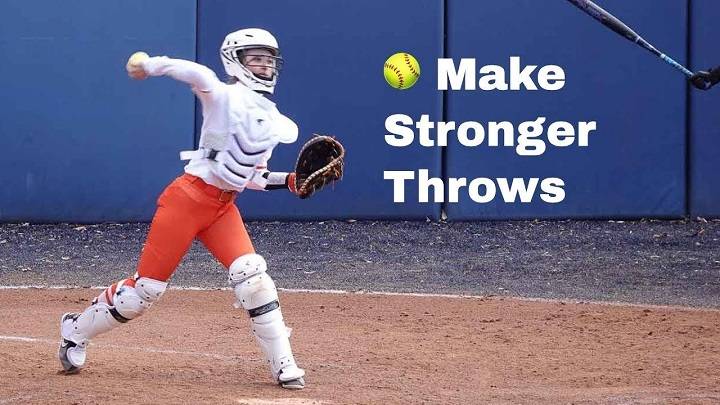
The catcher is the defensive anchor behind home plate, working in tandem with the pitcher to control the game’s pace. They receive pitches, block balls in the dirt, and play a key role in defensive strategies, including thwarting stolen base attempts.
Skills and Attributes:
- Receiving Skills: Catchers excel in receiving pitches effectively and framing the ball to influence umpire decisions.
- Throwing Arm: A strong and accurate throwing arm is crucial for deterring base runners and making plays.
- Game Awareness: Catchers possess a deep understanding of the game, directing defensive plays and communicating with teammates.
First Baseman (1B): The Defensive Anchor
Role:
The first baseman is strategically positioned near first base and plays a dual role in both offense and defense. They field ground balls, cover the base during defensive plays, and contribute to offensive strategies.
Skills and Attributes:
- Fielding Prowess: First basemen are skilled at fielding grounders and making accurate throws to secure outs.
- Offensive Contribution: They often possess solid hitting skills, contributing to the team’s offensive production.
- Stretching Abilities: The ability to stretch and reach for throws, especially on close plays, is a valuable asset.
Second Baseman (2B) and Shortstop (SS): The Middle Infield Duo
Role:
The second baseman and shortstop form the middle infield duo, working in close coordination to cover ground balls and execute double plays. They are key players in defensive strategies, providing critical support to the pitcher.
Skills and Attributes:
- Quick Reflexes: Middle infielders showcase quick reflexes to field ground balls and make rapid throws.
- Double Play Execution: Turning double plays efficiently requires seamless communication and execution between second base and shortstop.
- Range: The ability to cover a wide range of ground in the infield is essential for success.
Third Baseman (3B): The Defensive Sentry
Role:
The third baseman holds a strategic defensive position near third base, ready to field ground balls and make accurate throws. They act as a defensive sentry, preventing runners from advancing and contributing to offensive strategies.
Skills and Attributes:
- Strong Arm: A powerful throwing arm is crucial for making long throws across the diamond.
- Fielding Expertise: Third basemen must adeptly field ground balls and react quickly to defensive situations.
- Awareness: Being aware of base runners and potential offensive plays is vital for effective third base play.
Outfield Positions
Role:
Outfielders serve as the defensive guardians of the outfield, positioned strategically to catch fly balls, prevent hits, and make accurate throws to infielders. They play a crucial role in limiting extra-base hits and supporting the overall defensive strategy.
Skills and Attributes:
- Speed: Outfielders showcase speed to cover large areas of the outfield and chase down fly balls.
- Throwing Accuracy: Making precise throws to the infield, especially to prevent advancing runners, is a key skill.
- Judgment: Reading the trajectory of fly balls and making split-second decisions is essential for outfielders.
Strategic Significance of Softball Positions
Defensive Coordination
Infield Dynamics:

Infield positions work in harmony to execute defensive plays, including double plays, force outs, and fielding ground balls. Coordination between the pitcher, catcher, and infielders is essential for defensive success.
Outfield Communication:
Outfielders communicate effectively to ensure seamless coverage of the outfield. They call for catches, relay information to the infield, and collaborate on defensive strategies.
Offensive Contribution
Infield Power:
While all positions contribute offensively, certain positions, such as first basemen and third basemen, often wield power bats, driving in runs and hitting for extra bases.
Speed in the Outfield:
Outfielders with exceptional speed can turn potential extra-base hits into outs, contributing to defensive success and limiting the opposing team’s scoring opportunities.
Player Rotation and Flexibility
Designated Player (DP) and Flex (FLEX) Positions
Designated Player (DP):
The DP is an offensive specialist who bats in place of a defensive player but does not play a defensive position. This rule allows teams to maximize offensive prowess while maintaining defensive stability.
Flex (FLEX):
The FLEX is a player who occupies a defensive position but does not bat. Instead, the FLEX allows another player (usually the DP) to bat in their place. This strategic maneuver enhances offensive capabilities without sacrificing defensive strength.
Related Post:
- Softball: A Tapestry of Passion, Precision, and Team Unity
- The Resilience and Joy of Softball: A Celebration of a Dynamic Sport
- Touchdown Tales: Exploring the Heart of Football
In the symphony of softball, each position contributes to the melody of the game, showcasing a blend of defensive prowess, offensive firepower, and strategic brilliance. From the precision of pitchers to the power of hitters, and the agility of outfielders, softball positions form a dynamic ensemble, creating a spectacle for players and fans alike.
As teams navigate the diamond, the strategic placement of players, the seamless coordination between positions, and the individual skills of each player come together to craft victory on the softball field. Whether it’s a crucial defensive play, a powerful offensive swing, or the strategic execution of a double play, softball positions embody the essence of teamwork, strategy, and the enduring spirit of the game.