

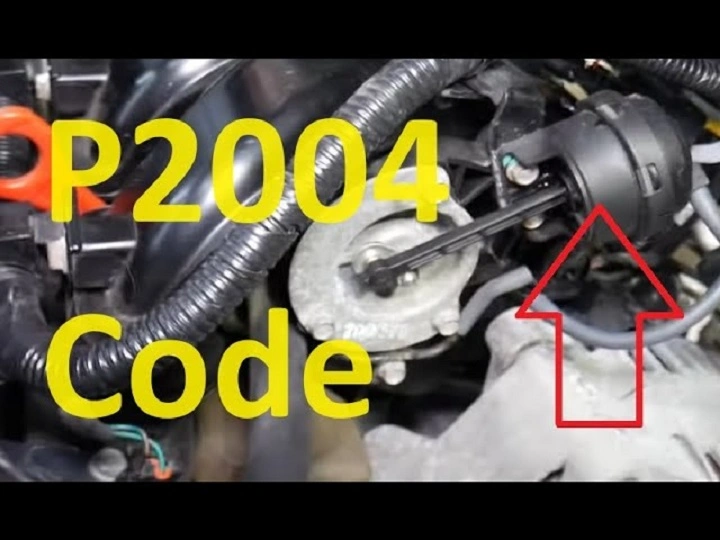
When your check engine light comes on and a diagnostic tool reads P2004, it can seem overwhelming. The P2004 trouble code is connected to the Intake Manifold Runner Control (IMRC) system, which plays a vital role in your engine’s air management. A malfunction here can impact performance, fuel efficiency, and overall driving smoothness.
This complete guide will help you understand what P2004 means, its causes, symptoms, how to diagnose it, and the best ways to fix it.
What Is the P2004 Code?
A Simple Definition
The P2004 code translates to “Intake Manifold Runner Control Stuck Open (Bank 1).”
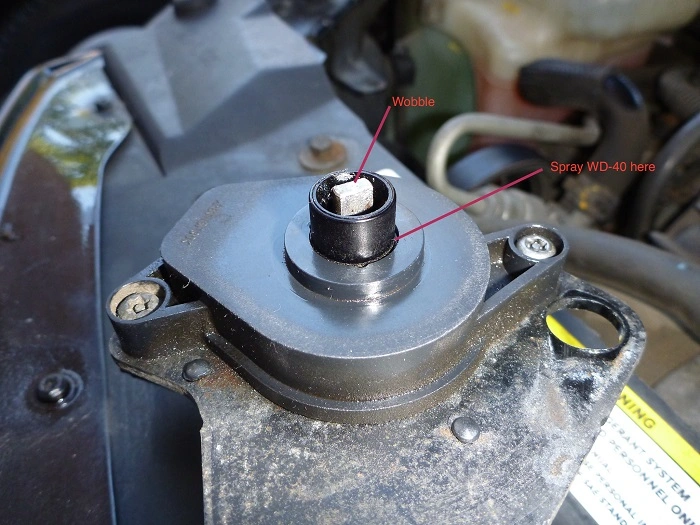
Your engine’s IMRC system is supposed to open and close flaps inside the intake manifold to control airflow. When the system is stuck open, your engine doesn’t get the correct air-fuel mixture at different speeds, leading to decreased performance and efficiency.
In simple terms:
- The flaps inside the intake stay open when they should close.
- This disrupts the ideal air pressure balance.
- Your engine performance suffers.
Common Causes of the P2004 Code
Mechanical Issues
Mechanical failure is a very common reason behind P2004:
- Broken IMRC actuator or linkage
- Intake manifold runner flaps jammed open
- Vacuum leaks disturbing actuator function
- Failed IMRC solenoid or motor
The physical parts can either break, jam, or lose connection, leading to the flaps staying stuck.
Electrical Problems
Sometimes it’s not a mechanical issue but an electrical fault:
- Faulty IMRC position sensor
- Broken wiring or damaged connectors
- Electrical short circuits
- PCM (Powertrain Control Module) malfunction
Since the IMRC system is electronically controlled, bad signals can confuse the system, triggering P2004.
Carbon Build-Up
Over time, carbon deposits inside the intake manifold can make the flaps sticky or clogged.
This is especially common in older vehicles or those without regular maintenance.
Symptoms of a P2004 Code
What Drivers Notice
When P2004 is active, you may experience:
- Check engine light illumination
- Decreased power or sluggish acceleration
- Poor fuel economy
- Rough idling
- Hesitation when accelerating
- Whistling or strange noises from the intake manifold
These symptoms may not seem severe at first but ignoring them can lead to more costly repairs down the road.
How to Diagnose the P2004 Code
DIY Diagnosis Steps
If you’re comfortable with tools, you can follow these steps:
- Connect an OBD-II scanner and verify the P2004 code.
- Inspect the IMRC actuator visually for disconnection or damage.
- Check all vacuum lines connected to the intake manifold for cracks or leaks.
- Test the IMRC solenoid with a multimeter for correct voltage.
- Physically check if the manifold runner flaps are moving when they should.
Professional Diagnosis
If you’re unsure or lack tools, a mechanic will:
- Conduct a full system scan
- Use advanced scanners to monitor IMRC operation
- Perform a vacuum pressure test
- Recommend cleaning, part replacement, or ECM reprogramming based on findings
How to Fix the P2004 Code
Cleaning the Intake Manifold
If carbon build-up is the issue:
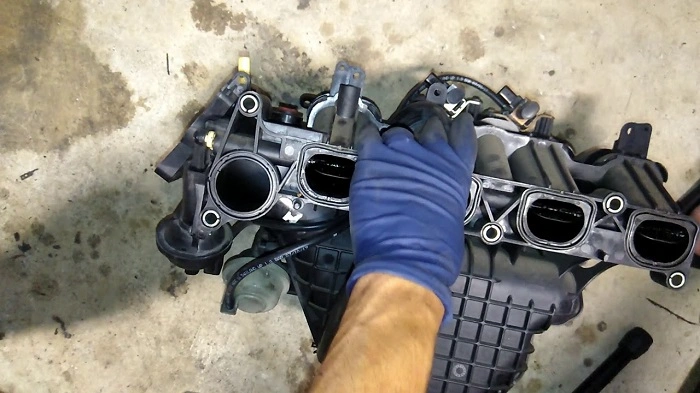
- Use an intake manifold cleaning service.
- Specialized cleaners can dissolve carbon without removing the manifold.
- Manual cleaning may be needed for heavy build-up.
Replacing Faulty Components
If mechanical or electrical parts are damaged:
- Replace IMRC actuators, linkages, or solenoids.
- Repair or replace damaged wiring or connectors.
- Some models require complete intake manifold replacement if internal flaps are broken.
ECM/PCM Software Update
Occasionally, a PCM software glitch may incorrectly trigger P2004. A software update or reflash by the dealer can fix the issue.
Vehicles Commonly Affected by the P2004 Code
Most Common Models
Some brands and models are more prone to P2004 issues:
- Ford Focus (especially 2005–2011 models)
- Ford Escape
- Mazda 6 and Mazda 3
- Chrysler Pacifica
- Dodge Caravan
These vehicles have intake manifold designs that tend to wear out or develop issues over time.
Cost of Repairing the P2004 Code
Typical Repair Costs
Repair costs for a P2004 issue vary depending on what’s wrong:
- Intake cleaning: $50–$150
- IMRC actuator replacement: $200–$400
- Intake manifold replacement: $800–$1500
- ECM reprogramming: $100–$200
Labor rates and parts availability can affect these numbers too.
Why Fixing P2004 Quickly Is Important
Risks of Ignoring It
If you delay fixing a P2004 code, you risk:
- Significant engine performance loss
- Poor fuel economy costing more at the pump
- Potential catalytic converter damage
- Higher repair costs if the problem worsens
Addressing the problem early keeps your engine healthy and saves you money.
Preventing Future P2004 Issues
Smart Maintenance Tips
Here’s how to avoid P2004 trouble in the future:
- Regularly clean the intake manifold and throttle body
- Replace air filters on schedule
- Use high-quality gasoline to reduce carbon build-up
- Inspect vacuum lines and actuators during routine maintenance
- Address check engine lights immediately rather than ignoring them
Good maintenance habits go a long way in preventing IMRC-related problems.
Real-World Experience with the P2004 Code
What Drivers Say
Many drivers share similar stories:
- Initially, they notice reduced power or poor acceleration.
- Some mistake it for dirty fuel injectors or a bad spark plug.
- DIY cleaning often helps, but if symptoms persist, actuator or manifold replacement is necessary.
- After repairs, drivers report significantly smoother performance and better mileage.
Catching the problem early usually leads to an easier and cheaper fix.
Pros and Cons of Dealing with P2004 Immediately
Advantages
- Restores full engine performance
- Saves fuel and operating costs
- Protects the engine from further damage
- Keeps vehicle emissions in check
Disadvantages
- Repair costs can be high if manifold replacement is needed
- Some models have difficult access to IMRC components, increasing labor charges
Despite potential costs, the benefits of immediate repair far outweigh the risks of delaying action.
FAQs about P2004 Code
What does the P2004 code mean?
P2004 means that the intake manifold runner control system is stuck open on Bank 1, causing airflow problems inside the engine.
Can I drive with a P2004 code?
You can, but it’s not recommended for long periods. Continued driving can lead to worse performance and higher repair bills.
How serious is a P2004 code?
It’s moderately serious. Your engine won’t perform efficiently, and other parts like the catalytic converter could be damaged over time.
How do I fix the P2004 code myself?
You can clean the intake manifold, replace the IMRC actuator, or fix any broken vacuum lines if you have basic mechanical skills.
How much does it cost to repair a P2004 problem?
Costs range from $50 for cleaning services to $1500 for intake manifold replacement depending on severity and vehicle model.