

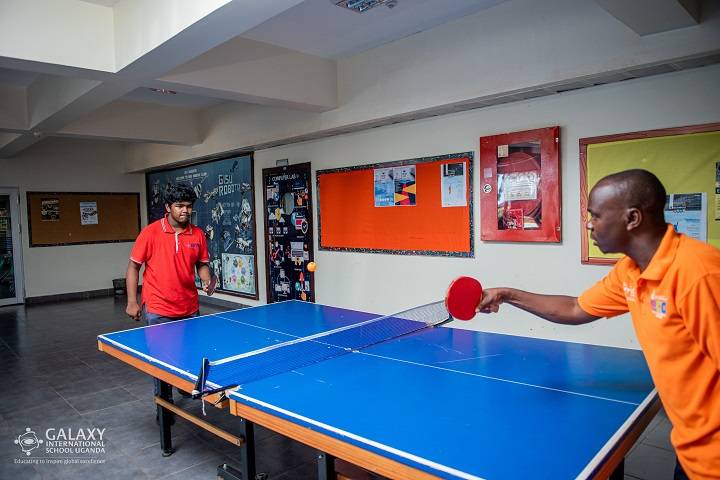
Table tennis, a sport that combines lightning-fast reflexes, strategic prowess, and precision, captivates enthusiasts around the world. Whether you’re a novice picking up a paddle for the first time or an experienced player honing your skills, understanding the fundamental techniques is key to mastering the art of table tennis. In this comprehensive exploration, we’ll dissect the basic skills that form the foundation of success on the table, covering everything from grip and stance to strokes and spin techniques.
The ABCs of Table Tennis: Grasping the Basics
Equipment Essentials
Table Tennis Paddle:

The paddle, or racket, is a player’s primary tool. It consists of a blade and rubber coverings, typically one red and one black. Understanding the different types of paddles and choosing the right one based on your playing style is essential.
Table and Net:
A regulation table tennis table is divided into halves by a net. Understanding the dimensions of the table, the net height, and the importance of a level playing surface is crucial for a fair game.
Table Tennis Balls:
Official table tennis balls are lightweight and made of celluloid or plastic. Recognizing the ball’s characteristics and practicing with the correct type of ball contribute to improved skills.
Grip Techniques
Shakehand Grip:
The shakehand grip is the most common grip in table tennis. It involves holding the paddle as you would shake hands with someone, allowing for versatility and ease of movement.
Penhold Grip:
The penhold grip is characterized by holding the handle of the paddle between the thumb and forefinger, resembling the grip of a pen. This grip is popular in Asian playing styles and offers a unique set of advantages.
Stance and Footwork
Ready Position:
A balanced and ready stance is the foundation for effective play. Players should stand with feet shoulder-width apart, knees slightly bent, and weight evenly distributed on both feet.
Movement on the Balls of the Feet:
Good footwork is essential for reaching the ball quickly and maintaining balance. Being light on the balls of your feet allows for swift movement in all directions.
Basic Strokes
Forehand Drive:
The forehand drive is a fundamental offensive stroke. It involves a forward swinging motion, with the ball contacting the rubber on the forehand side of the paddle.
Backhand Drive:
Similar to the forehand drive, the backhand drive focuses on striking the ball with the rubber on the backhand side. Mastering both forehand and backhand drives provides a well-rounded offensive game.
Push:
The push is a defensive stroke used to return a backspin ball with control. It involves a short, controlled movement to guide the ball over the net with backspin.
Chop:
The chop is a defensive stroke used to counteract topspin shots from the opponent. It involves a downward chopping motion to impart backspin on the ball.
Spin Techniques
Topspin:
Topspin is a forward-spinning motion applied to the ball, causing it to dip quickly on the opponent’s side of the table. Mastering topspin enhances offensive play and puts pressure on opponents.
Backspin:
Backspin is a backward-spinning motion that imparts a low bounce to the ball. Backspin shots are often used defensively to disrupt the opponent’s rhythm.
Sidespin:
Sidespin involves imparting spin to the ball on either the left or right side. Combining sidespin with topspin or backspin adds complexity to shots, making them harder to predict.
Serving Techniques
Variety in Serves:
A well-rounded player must master a variety of serves. This includes short serves, long serves, and serves with different types of spin to keep opponents guessing.
Strategic Placement:
Effective serving goes beyond spin and speed; strategic placement is crucial. Placing serves to exploit an opponent’s weaknesses or set up specific shots can give you a strategic advantage.
Developing Mastery: Strategies for Improvement
Consistent Practice
Regular Drills:

Structured practice drills focusing on specific skills help build muscle memory and consistency in strokes.
Solo Practice:
Practicing basic skills alone, including footwork, strokes, and serves, is a valuable way to refine technique and control.
Playing Against Opponents
Match Play:
Engaging in match play against opponents of varying skill levels exposes you to different playing styles and challenges, fostering adaptability and strategic thinking.
Friendly Competition:
Participating in friendly competitions, whether at a local club or with friends, adds an element of pressure that simulates real match scenarios.
Seeking Coaching and Guidance
Professional Coaching:
Enlisting the guidance of a qualified table tennis coach provides personalized feedback, identifies areas for improvement, and accelerates skill development.
Video Analysis:
Recording and analyzing your gameplay through video allows for a detailed review of your techniques, identifying strengths and areas that need adjustment.
Navigating Challenges: Common Pitfalls and Solutions
Lack of Footwork
Pitfall:
Poor footwork can lead to sluggish movement, making it challenging to reach the ball in time and maintain balance.
Solution:
Emphasize footwork drills, focusing on quick lateral movements and positioning yourself to cover the entire table effectively.
Overemphasis on Power
Pitfall:
Overreliance on powerful shots without control can result in unforced errors and a lack of precision.
Solution:
Balance power with control in your strokes. Practice maintaining consistency while gradually increasing shot intensity.
Predictable Patterns
Pitfall:
Developing predictable patterns in your play makes it easier for opponents to anticipate your shots and gain a strategic advantage.
Solution:
Vary your strokes, spins, and placement. Keep opponents guessing by introducing unpredictability into your playing style.
Advancing Your Game: Advanced Techniques and Strategies
Loop Shots
Forehand Loop:
The forehand loop is an aggressive topspin shot played with a large, upward motion. Mastering this technique adds firepower to your offensive arsenal.
Backhand Loop:
The backhand loop is a topspin shot played on the backhand side, often in response to a topspin ball from the opponent.
Counter-Attacks
Quick Counter-Drives:
Counter-attacks involve quickly transitioning from defense to offense, seizing opportunities to play aggressive shots in response to an opponent’s attack.
Advanced Serving Variations
Pendulum Serve:
The pendulum serve is a complex serving technique that involves a swinging motion of the arm, creating variations in spin and placement.
Reverse Pendulum Serve:
Similar to the pendulum serve, the reverse pendulum adds an element of surprise by changing the direction of spin.
Table Tennis Etiquette: Sportsmanship on the Table
Respect for Opponents
Handshakes and Gestures:
Displaying sportsmanship through handshakes, acknowledging opponents’ good shots, and avoiding disrespectful gestures contributes to a positive playing environment.
Pacing of Play
Maintaining a Steady Pace:
Players should maintain a steady pace of play, avoiding unnecessary delays and respecting the flow of the game.
Umpire and Referee Interaction
Respecting Decisions:
Players should respect the decisions of umpires and referees, refraining from disputing calls or engaging in confrontations.
Related Post:
Exploring the NHL Teams List Alphabetical: A Comprehensive Guide
Deciphering What is Traveling in Basketball: Footwork Dilemmas on the Court
How Long is a Football Game: Navigating the Clockwork of the Beautiful Game
In the dynamic world of table tennis, the journey to mastery is a continuous exploration of skill refinement, strategic evolution, and sportsmanship. Whether you’re playing for recreation, competition, or personal growth, the basic skills outlined here provide a solid foundation for your table tennis odyssey.
As you navigate the nuances of grip, stance, strokes, and spins, remember that the joy of table tennis lies not just in winning points but in the pursuit of excellence, camaraderie with fellow players, and the exhilarating feeling of a well-executed shot. So, pick up your paddle, step onto the table, and embark on the exciting journey of mastering the art of table tennis—one skillful stroke at a time.