

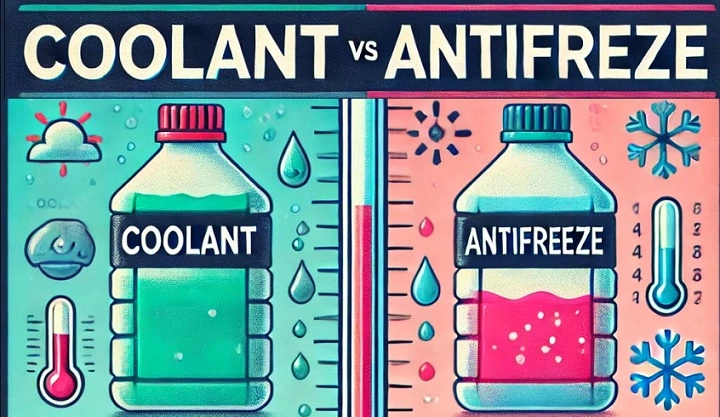
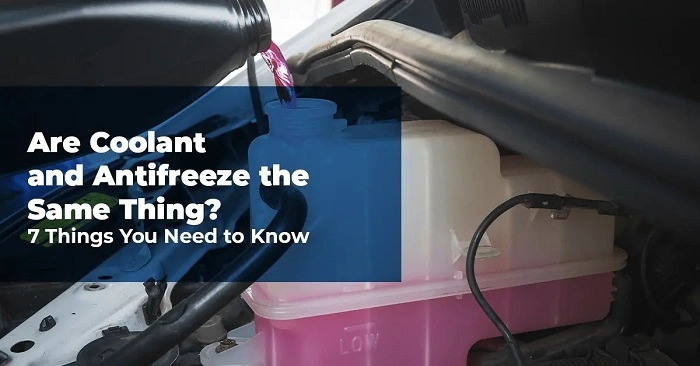
Many car owners wonder, “Is coolant and antifreeze the same thing?” While these terms are often used interchangeably, they have distinct functions. Understanding their differences can help you properly maintain your vehicle’s engine and cooling system. Let’s explore what coolant and antifreeze are, how they work, and why they are essential for your vehicle.
Are Coolant and Antifreeze the Same?
A Quick Snapshot
- Coolant – A liquid that regulates engine temperature and prevents overheating.
- Antifreeze – A concentrated liquid (usually ethylene or propylene glycol) that lowers the freezing point of coolant.
- Coolant = Antifreeze + Water – In most cases, coolant is a mixture of 50% antifreeze and 50% water.
What Is Coolant?
Purpose and Function
- Regulates engine temperature by transferring heat away.
- Prevents overheating in warm conditions.
- Protects metal components from corrosion and buildup.
- Circulates through the radiator, water pump, and engine block.
Composition
- Typically 50% antifreeze and 50% distilled water.
- Some newer coolants are pre-mixed and ready to use.
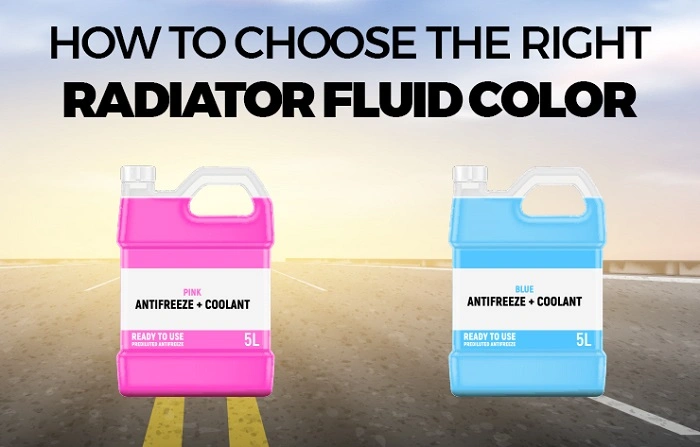
- Available in different types based on vehicle compatibility (green, orange, pink, blue).
What Is Antifreeze?
Purpose and Function
- Prevents coolant from freezing in cold temperatures.
- Raise the boiling point to avoid overheating.
- Contains corrosion inhibitors to protect engine components.
- Must be mixed with water before use unless labeled as “pre-mixed.”
Composition
- Made of ethylene glycol or propylene glycol.
- Contains additives to prevent rust, corrosion, and foam formation.
- Available in different formulas for specific vehicle types and climates.
Key Differences Between Coolant and Antifreeze
| Feature | Coolant | Antifreeze |
| Definition | A mixture that regulates engine temperature | A concentrated liquid that prevents freezing and overheating |
| Composition | 50% antifreeze + 50% water | Ethylene glycol or propylene glycol + additives |
| Function | Transfers heat, prevents overheating, protects engine | Lowers freezing point and raises boiling point |
| Usage | Ready to use in most vehicles | Needs to be mixed with water unless pre-mixed |
Types of Coolant and Antifreeze
Inorganic Acid Technology (IAT)
- Color: Green
- Best For: Older vehicles (pre-2000 models)
- Lifespan: Needs replacement every 30,000 miles or 2 years
Organic Acid Technology (OAT)
- Color: Orange, Red, Dark Green
- Best For: Modern vehicles with aluminum radiators
- Lifespan: Lasts up to 5 years or 150,000 miles
Hybrid Organic Acid Technology (HOAT)
- Color: Yellow, Blue, Pink
- Best For: European and Asian vehicles
- Lifespan: Lasts 5 years or 150,000 miles
How to Choose the Right Coolant or Antifreeze
Check Your Owner’s Manual
- Manufacturers specify the recommended coolant type for your vehicle.
Look at the Color
- Different manufacturers use specific colors for compatibility.
Consider Climate Conditions
- Colder regions require more antifreeze protection.
- Hotter climates need coolant with higher boiling resistance.
How to Check and Replace Coolant
Step 1: Check Coolant Level
- Locate the coolant reservoir under the hood.
- Ensure the level is between the MIN and MAX marks.
Step 2: Inspect Coolant Condition
- Healthy coolant is bright in color.
- If it appears dirty, rusty, or sludgy, it needs replacing.
Step 3: Flush and Replace Coolant
- Drain old coolant from the radiator.
- Refill with the recommended coolant or antifreeze mix.
- Run the engine and check for leaks.
FAQs
Can I use water instead of coolant?
No, water alone does not provide adequate corrosion protection and can freeze or boil easily.
Can I mix different coolant types?
Mixing incompatible coolants can lead to sludge formation and reduced cooling efficiency.
How often should I replace coolant?
It depends on the type:
- IAT: Every 30,000 miles or 2 years
- OAT/HOAT: Every 5 years or 150,000 miles
What happens if I don’t replace coolant?
Old coolant loses effectiveness, leading to engine overheating, corrosion, and radiator damage.
Does coolant expire?
Yes, coolant degrades over time and should be replaced at recommended intervals.
While coolant and antifreeze work together, they are not the same thing. Antifreeze is a concentrated chemical, while coolant is a pre-mixed solution that keeps your engine running efficiently. Knowing the difference ensures better vehicle performance and longevity. Always check your owner’s manual for the right type of coolant and perform regular maintenance to avoid engine problems.