


Playing sports is not just about physical exertion and competition—it’s also about understanding and responding to the messages your body sends. In this comprehensive guide, we delve into the importance of listening to your body when engaging in sports activities. From preventing injuries to maximizing performance, discover why tuning in to your body’s cues can make all the difference on and off the field.
Understanding the Importance of Listening to Your Body
Injury Prevention
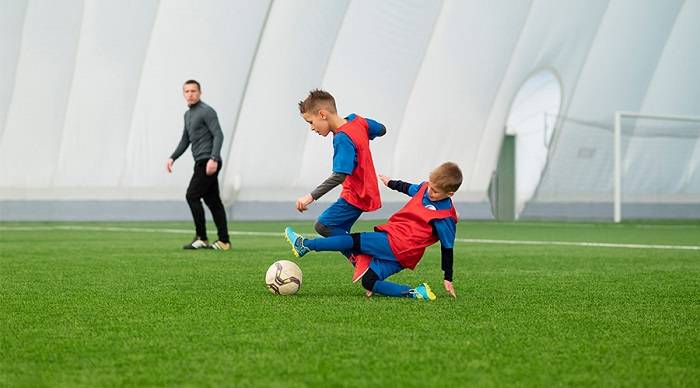
One of the primary reasons why it’s important to listen to your body when playing sports is injury prevention. By paying attention to subtle signs of discomfort, fatigue, or strain, you can identify potential issues before they escalate into more serious injuries. Whether it’s a twinge in your knee or a tightness in your shoulder, listening to your body can help you avoid overexertion and reduce the risk of long-term damage.
Performance Optimization
Listening to your body isn’t just about avoiding injury—it’s also about optimizing performance. When you tune in to how your body feels during physical activity, you can make adjustments to your technique, pace, and intensity to work in harmony with your body’s capabilities. This can lead to more efficient movement, better endurance, and ultimately, improved performance on the field or court.
Enhancing Recovery
Recovery is an essential part of any athlete’s training regimen, and listening to your body plays a crucial role in this process. By recognizing when your body needs rest, hydration, or nutrition, you can support its natural healing processes and expedite recovery from intense workouts or competitions. Ignoring your body’s signals can lead to burnout, fatigue, and increased susceptibility to injury.
The Body’s Warning Signs: What to Watch For
Pain or Discomfort
Pain is your body’s way of signaling that something isn’t right. Whether it’s a sharp stabbing pain or a dull ache, pay attention to any discomfort you experience during sports activities. Ignoring pain can lead to further injury and prolong recovery time.
Fatigue or Weakness
Feeling unusually tired or weak during a workout or game could indicate that your body needs rest or replenishment. Pushing through fatigue can compromise performance and increase the risk of injury, so listen to your body and take breaks as needed.
Decreased Range of Motion
If you notice a decrease in your range of motion or flexibility during sports activities, it could be a sign of muscle tightness, joint stiffness, or underlying injury. Take heed of these warning signs and adjust your movements accordingly to prevent further strain or damage.
Tips for Listening to Your Body Effectively
Stay Present
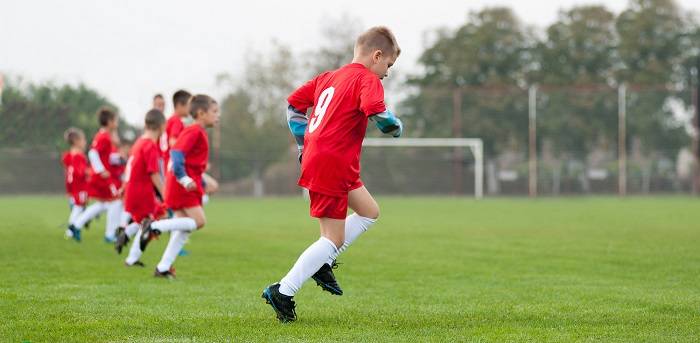
In the fast-paced world of sports, it’s easy to get caught up in the action and lose touch with your body’s signals. Practice mindfulness and stay present in the moment, paying attention to how your body feels and responding accordingly.
Communicate with Your Coach or Trainer
Your coach or trainer can provide valuable insight into how to listen to your body and adjust your training regimen accordingly. Don’t hesitate to communicate any concerns or issues you’re experiencing, as they can offer guidance and support to help you stay healthy and perform at your best.
Prioritize Rest and Recovery
Rest and recovery are essential components of any athlete’s routine. Make sure to prioritize adequate rest, hydration, and nutrition to support your body’s recovery process and prevent overtraining.
FAQs (Frequently Asked Questions)
How can I differentiate between normal discomfort and a potential injury?
Pay attention to the intensity, location, and duration of any discomfort you experience. If the pain persists or worsens over time, it’s important to seek medical attention to rule out any underlying injuries.
What are some strategies for improving body awareness during sports activities?
Practicing mindfulness techniques such as deep breathing, body scans, and visualization can help improve your body awareness and enhance your ability to listen to your body’s signals during sports.
Are there any specific warm-up or cool-down exercises that can help prevent injuries?
Incorporating dynamic stretches, mobility exercises, and foam rolling into your warm-up and cool-down routines can help prepare your body for physical activity and reduce the risk of injury.
How can I strike a balance between pushing my limits and listening to my body’s limitations?
It’s important to challenge yourself and push your limits during sports activities, but not at the expense of your body’s well-being. Pay attention to how your body responds to different levels of intensity and adjust your efforts accordingly to avoid overexertion.
What role does hydration play in listening to your body during sports?
Staying hydrated is essential for optimal performance and recovery during sports activities. Dehydration can impair cognitive function, decrease endurance, and increase the risk of injury, so make sure to drink plenty of fluids before, during, and after exercise.
Related Post:
Unveiling the Allure of Pick A Ball Sports Complex: A Haven for Pickleball Enthusiasts
Best of Play It Again Sports Appleton: Your Ultimate Guide to Sports Gear Excellence
Exploring the Phenomenon of Aircraft Over a Sports Stadium: Safety, Regulations, and Spectacle
Listening to your body is a fundamental aspect of safe and effective sports participation. By tuning in to your body’s signals, you can prevent injuries, optimize performance, and enhance your overall well-being as an athlete. Whether it’s recognizing signs of fatigue, adjusting your technique, or prioritizing rest and recovery, the ability to listen to your body is a skill that can benefit athletes of all levels and abilities. So take the time to tune in, pay attention, and respond to what your body is telling you—it’s the key to success and longevity in sports and fitness.