


Bowling has been a beloved pastime for decades, offering hours of fun for families, friends, and even competitive players. But before you lace up those rental shoes and grab your favorite ball, it’s essential to know what you’re getting into financially. From lane fees to shoe rentals and everything in between, let’s break down the true cost of bowling.
Understanding the Basics
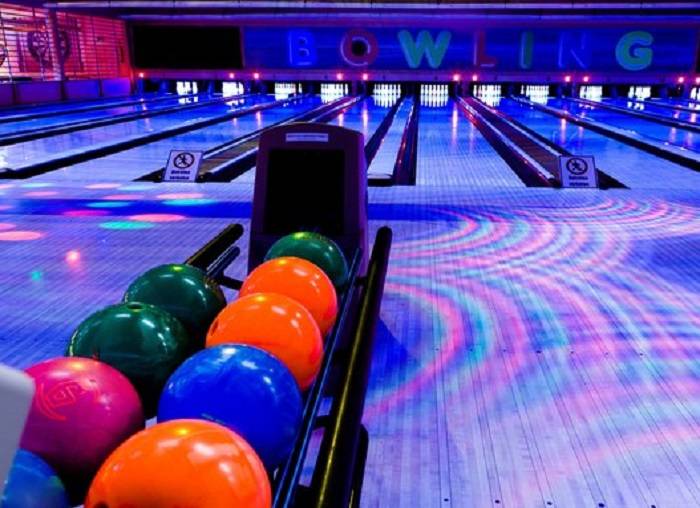
Before diving into the nitty-gritty details of bowling costs, let’s establish a baseline understanding of what’s typically involved:
Lane Fees: These are the charges for reserving a lane for a specified amount of time.
Shoe Rentals:
While some bowlers opt to purchase their own bowling shoes, many prefer to rent them at the alley. Shoe rental fees typically range from $3 to $5 per pair. If you’re a frequent bowler, investing in your own pair of bowling shoes might be a cost-effective long-term solution.
Unless you have your own bowling shoes, you’ll need to rent a pair from the bowling alley. Shoe rental fees are usually charged per person and can range from $3 to $5 per pair. While this may seem like a small expense compared to lane rental, it’s an essential part of the overall cost of bowling.
If you plan to bowl regularly, investing in your own pair of bowling shoes can save you money in the long run. Many bowling enthusiasts prefer owning their shoes for comfort and hygiene reasons, plus it eliminates the need to pay rental fees each time you hit the lanes.
Bowling Ball Rentals
For those who don’t have their own bowling ball or who want to try different balls, renting one from the alley is an option. Rental fees usually range from $3 to $7 per ball, depending on the quality and type of ball.
Bowling Ball Rentals: Some venues offer the option to rent bowling balls if you don’t have your own.
Additional Costs: This includes extras like food, drinks, arcade games, and any other amenities the bowling alley may offer.
Lane Fees
Lane fees can vary significantly depending on various factors such as location, time of day, and whether it’s peak hours or not. Generally, expect to pay anywhere from $15 to $30 per hour per lane for non-peak times. During peak hours, such as evenings and weekends, prices can rise to $30 to $50 per hour or more.
Some bowling alleys offer discounted rates for off-peak hours, such as weekday afternoons or mornings. These can be a great way to save money if your schedule allows for it.
Bowling Alley Fees: Lane Rental

The most significant cost associated with bowling is typically the lane rental fee. Bowling alleys usually charge by the hour for lane rental, although some may have different pricing structures such as per-game rates or half-hour increments. Prices can vary widely depending on factors such as location, time of day, and day of the week.
On average, expect to pay anywhere from $15 to $30 per hour for a single lane, with prices potentially higher in urban areas or during peak hours such as evenings and weekends. Some bowling alleys offer discounts for booking lanes during off-peak hours, so it’s worth checking for any special deals or promotions.
Additional Costs
Beyond the basic fees, it’s essential to budget for any additional expenses you might incur during your bowling outing. This can include:
Food and Drinks: Many bowling alleys have snack bars or restaurants where you can purchase food and drinks. Prices can vary widely but expect to pay similar prices to those at a movie theater or casual dining establishment.
Arcade Games: If the bowling alley has an arcade, be prepared to spend extra money on games and attractions.
Shoe Accessories: If you’re renting shoes, consider purchasing items like socks or shoe covers for added comfort and hygiene.
Ways to Save Money
While bowling can be a relatively affordable activity, there are several ways to save money without sacrificing the fun:
Look for Special Deals: Many bowling alleys offer promotions and discounts, especially during off-peak hours or on specific days of the week.
Join a League: If you’re a frequent bowler, joining a league can often provide discounted rates on late fees and other perks.
Bring Your Own Gear: Investing in your own bowling shoes and ball can save you money in the long run, especially if you bowl regularly.
Share Costs: Splitting the cost of lane fees, shoe rentals, and other expenses with friends or family can make bowling more affordable for everyone involved.
Additional Expenses: Bowling Ball Rental and Accessories
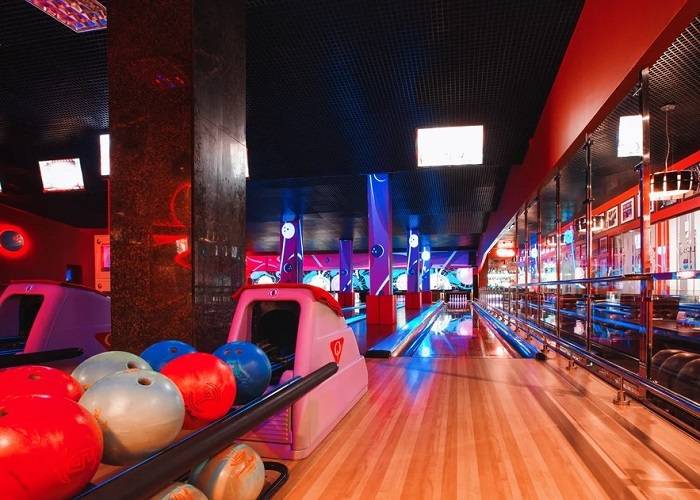
In addition to lane and shoe rental fees, there may be extra costs associated with renting a bowling ball and other accessories. While most bowling alleys provide house balls for free, some may charge a small fee for premium balls or specialty equipment such as wrist supports or bowling gloves.
If you’re serious about bowling or want to improve your game, you might consider investing in your own bowling ball. Prices for bowling balls vary depending on factors such as brand, material, and customization options, but you can expect to pay anywhere from $50 to $200 or more for a quality ball.
Food and Beverage Costs
No trip to the bowling alley would be complete without indulging in some snacks and refreshments. Many bowling alleys have on-site snack bars or restaurants where you can purchase food and drinks while you bowl. Prices for food and beverages can vary widely depending on the venue and menu offerings.
Expect to pay typical concession stand prices for items such as hot dogs, nachos, pizza, soda, and beer. While it’s not a significant expense compared to lane rental and shoe rental fees, it’s something to factor into your overall bowling budget, especially if you plan to spend several hours at the alley.
Special Deals and Promotions
To attract customers and encourage repeat business, many bowling alleys offer special deals and promotions. These may include discounted rates for groups, student discounts, weekday specials, or unlimited bowling nights. Keep an eye out for these promotions, as they can help you save money on your bowling outing.
Some bowling alleys also offer membership programs or loyalty rewards that provide additional savings and perks for frequent bowlers. If you’re a regular at your local alley, joining a membership program could be a cost-effective way to enjoy more bowling for less money.
Related Post:
Mastering the Basics: A Comprehensive Guide to Badminton Fundamentals
Mastering the Game: A Comprehensive Guide to Volleyball Scoring
A Comprehensive Guide to Sports: Exploring the World of Athletic Endeavors
In conclusion, the cost of bowling can vary depending on factors such as lane rental fees, shoe rental costs, additional expenses for equipment and accessories, and food and beverage prices. While bowling may not be the cheapest form of entertainment, it offers hours of fun and excitement for individuals, families, and groups alike.
By understanding the various costs associated with bowling and taking advantage of special deals and promotions, you can enjoy a memorable bowling experience without breaking the bank. So gather your friends, lace up your bowling shoes, and get ready to roll for an unforgettable time at the lanes!
Bowling can be a fun and enjoyable activity for people of all ages, but it’s essential to understand the associated costs before heading to the alley. From lane fees to shoe rentals and everything in between, budgeting for your bowling outing can help ensure that you have a great time without breaking the bank. By knowing what to expect and exploring ways to save money, you can make the most of your bowling experience without emptying your wallet. So, grab your bowling shoes and get ready to roll!