

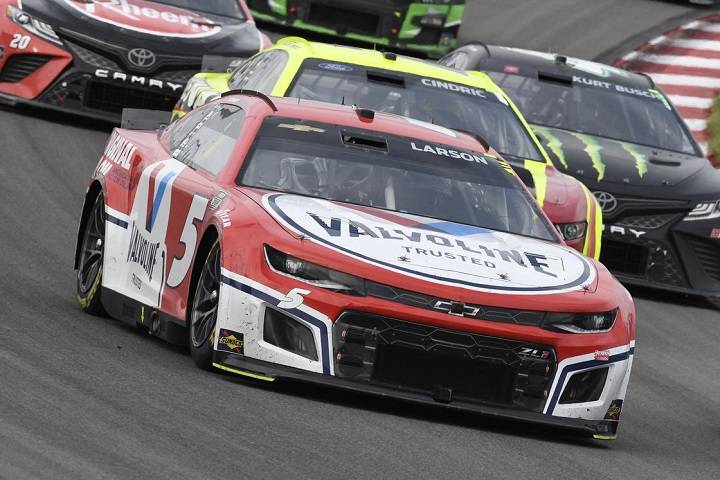
NASCAR, the pinnacle of stock car racing, is a sport fueled by speed, precision, and cutting-edge technology. Behind the roar of the engines and the thrilling races lies a fascinating aspect—the cost of a NASCAR. In this in-depth exploration, we delve into the intricate world of NASCAR finances, unraveling the layers that contribute to the price tag attached to these high-performance racing machines.
Unveiling the Economics of NASCAR Cars
The Basics: Components of a NASCAR Car
Chassis:

The foundation of a NASCAR car lies in its chassis. These specially designed frames are crafted to withstand the intense forces experienced on the track. Constructed from lightweight yet durable materials, the chassis serves as the structural backbone of the car.
Engine:
The heart of a NASCAR car beats within its engine. These powerful machines are meticulously engineered to deliver exceptional horsepower and torque. The engines are often custom-built, with components designed for optimal performance under the unique demands of NASCAR racing.
Aerodynamics:
Aerodynamics plays a crucial role in NASCAR, influencing the speed and handling of the cars. Teams invest in wind tunnel testing and computational fluid dynamics (CFD) to fine-tune the aerodynamic features, including the body shape, spoiler, and other elements that contribute to downforce and reduced drag.
The Cost of Cutting-Edge Technology
Research and Development:
NASCAR teams spare no expense when it comes to research and development. Constant innovation is the name of the game, with teams investing in advanced technologies to gain a competitive edge. From simulators that replicate track conditions to sophisticated data analytics, the pursuit of speed involves continuous refinement and adaptation.
Materials and Manufacturing:
The materials used in NASCAR cars are lightweight yet robust, often involving high-strength alloys and composite materials. The manufacturing processes are precision-driven, with teams utilizing state-of-the-art facilities to create components that meet the stringent requirements of the sport.
Breaking Down the Numbers: How Much Does a NASCAR Car Cost?
Chassis Costs
Custom Fabrication:

The chassis, being a bespoke component, undergoes custom fabrication. Teams work with skilled engineers and fabricators to create chassis that align with their specific design preferences and performance goals. The cost of custom fabrication, including materials and labor, contributes significantly to the overall expense.
R&D Investment:
Chassis development is an ongoing process, with teams investing in research and development to enhance performance. The costs associated with wind tunnel testing, computational modeling, and iterative design processes are factored into the overall expense of chassis development.
Engine Expenditure
High-Performance Components:
NASCAR engines are precision machines, assembled with high-performance components. From the cylinder heads to the camshafts, each element is engineered for optimal power output and reliability. The cost of sourcing and manufacturing these components, coupled with the expertise required for assembly, contributes to the hefty price tag of a NASCAR engine.
Dyno Testing:
Before hitting the track, NASCAR engines undergo extensive dyno testing. This process ensures that the engines perform reliably under race conditions. The costs associated with dyno testing, including equipment maintenance and technician expertise, add to the overall investment in engine development.
Aerodynamics Investment
Wind Tunnel Testing:

Aerodynamics is a critical aspect of NASCAR, and teams conduct extensive wind tunnel testing to refine the body design and aerodynamic features of their cars. The expenses related to renting wind tunnel facilities, conducting tests, and analyzing data contribute to the overall cost of achieving optimal aerodynamic performance.
Advanced Modeling Software:
Teams leverage advanced modeling software, including CFD simulations, to fine-tune the aerodynamics of their cars. The licenses for such software, along with the computational resources required, represent a financial investment in the pursuit of aerodynamic excellence.
Operational Costs
Race Team Personnel:
A NASCAR team is comprised of a skilled and specialized workforce, including engineers, mechanics, and support staff. The salaries and wages of these professionals, along with the costs of training and development, constitute a significant portion of a team’s operational budget.
Travel and Logistics:
The NASCAR circuit involves traveling to various race locations, each with its own logistical challenges. From transporting cars and equipment to providing accommodations for the team, the costs associated with travel and logistics are integral to the overall operational budget.
Team Sponsorship and Funding
Sponsorship Agreements:
NASCAR teams often secure sponsorship agreements with corporations looking to gain exposure through the sport. These agreements may cover a significant portion of the team’s budget, helping offset the costs of car development, operational expenses, and race participation.
Merchandising and Licensing:
Teams also generate revenue through merchandising and licensing deals. The sale of team-branded merchandise, die-cast models, and other licensed products contributes to the financial health of the team.
The Varied Landscape: NASCAR Costs Across Series
Cup Series vs. Xfinity Series vs. Truck Series
Tiered Competition Levels:

NASCAR features multiple competition levels, each with its own set of regulations and cost structures. The Cup Series represents the pinnacle of NASCAR racing, with the highest budgets and the most advanced technology. The Xfinity Series and Truck Series, while still demanding substantial investments, operate on relatively lower budgets.
Entry-Level Considerations:
Teams entering the lower-tier series may face reduced initial costs compared to those in the Cup Series. However, the competition remains fierce, and teams are required to meet specific technical standards to participate in each series.
Navigating Financial Challenges and Sustainability
Financial Pressures on Teams
Budget Constraints:
While top-tier NASCAR teams may have substantial budgets, smaller teams often face budget constraints. The costs associated with staying competitive, including the continual development of cars and technology, pose financial challenges for teams with limited resources.
Economic Dynamics:
The economic landscape can impact NASCAR teams, with factors like sponsorship availability, economic downturns, and changes in consumer behavior influencing the financial stability of racing organizations.
Seeking Cost-Containment Measures
Standardized Components:
To address cost concerns, NASCAR has explored the concept of standardized components. Implementing standardized parts could reduce the financial burden on teams, particularly those operating on tighter budgets.
Regulatory Measures:
NASCAR continually evaluates and adjusts its regulations to balance competitiveness and financial sustainability. Rule changes, such as limits on testing and development, aim to control costs and promote a level playing field.
Future Trends and Innovations
Advancements in Sustainable Technologies
Green Initiatives:

As the automotive industry explores sustainable technologies, NASCAR is not immune to the trend. The integration of green initiatives, such as alternative fuels and energy-efficient components, could shape the future of NASCAR car development.
Electric Racing:
While NASCAR’s roots are firmly embedded in traditional combustion engines, the broader shift toward electric vehicles in the automotive industry raises questions about the potential future inclusion of electric racing in NASCAR. The exploration of alternative power sources may introduce new dynamics to the cost structure of NASCAR cars.
Fan Engagement and Technology Integration
Virtual Racing:
The rise of virtual racing, facilitated by simulators and esports, presents opportunities for fan engagement and cost-effective team development. Virtual racing platforms allow fans to experience the excitement of NASCAR in a digital environment.
Technology in Fan Experience:
NASCAR continues to embrace technology to enhance the fan experience. Augmented reality (AR), virtual reality (VR), and interactive digital platforms provide fans with immersive ways to connect with the sport, potentially influencing the financial landscape.
Related Post:
How Many Periods in Hockey: A Comprehensive Guide to Game Duration
Volleyball: Where Passion Meets Precision in the Pursuit of Victory
Volleyball: A Symphony of Skill, Strategy, and Sportsmanship
In the world of NASCAR, the cost of speed is a multifaceted equation that involves cutting-edge technology, operational expenses, and the pursuit of excellence on the track. As the sport evolves, finding the delicate balance between innovation and financial sustainability becomes paramount.
The roar of NASCAR engines on race day is not just a symphony of horsepower—it’s a testament to the relentless pursuit of victory and the financial intricacies that underpin the world of stock car racing. How much does a NASCAR cost? It’s not just a question of dollars and cents; it’s a journey into the heart of a sport where every investment is a stride toward the checkered flag.