

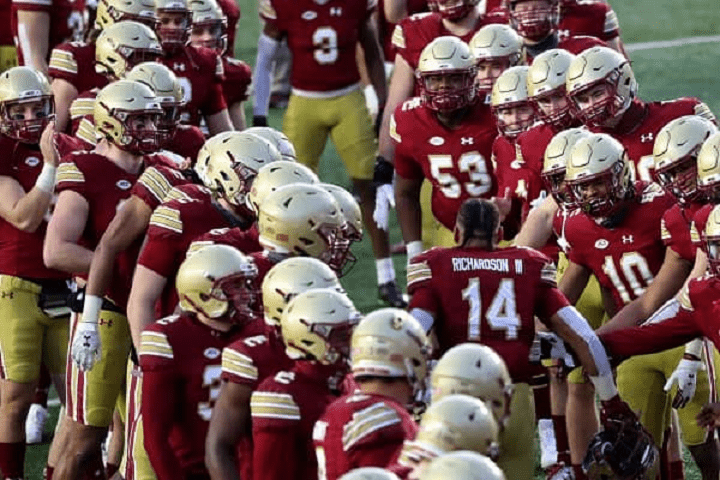
Exploring the dynamics of college football teams unveils an intricate blend of talent, strategy, and teamwork. One common query that often arises among enthusiasts is, “How many players on a college football team?” In this detailed exploration, we dissect the composition of college football rosters, shedding light on the number of players, their roles, and the factors influencing team dynamics.
Unveiling the Numbers: How Many Players on a College Football Team?
Understanding Roster Sizes

The composition of a college football team’s roster can vary depending on several factors, including the division level, coaching philosophy, and program resources. While some teams may have larger rosters to accommodate depth and specialization, others may prioritize a leaner roster with a focus on elite talent.
Divisional Differences
Divisional distinctions play a significant role in determining roster sizes across college football programs. Division I Football Bowl Subdivision (FBS) teams typically have larger rosters compared to those in the Football Championship Subdivision (FCS) or Division II and III levels. This disparity stems from differences in scholarship limits, program budgets, and competitive expectations.
Scholarship Allocations
Scholarships are a critical factor influencing roster sizes and player recruitment in college football. NCAA regulations dictate the maximum number of scholarships that programs can allocate, with FBS teams generally having more scholarships available compared to lower division programs. As a result, FBS teams often field larger rosters to maximize scholarship utilization and roster depth.
Exploring Player Positions: The Anatomy of a College Football Team
Offense
A college football team’s offense typically consists of multiple player positions, each with distinct roles and responsibilities. Key positions include the quarterback, running back, wide receiver, tight end, offensive lineman, and fullback, with variations in formations and strategies based on the team’s offensive scheme.
Defense
On the defensive side of the ball, players fulfill roles such as defensive lineman, linebacker, cornerback, safety, and nickelback. Defensive strategies focus on disrupting the opposing offense, preventing scoring opportunities, and forcing turnovers through aggressive play and tactical positioning.
Special Teams
Special teams play a crucial role in college football, encompassing kickoffs, punts, field goals, and extra points. Players specializing in special teams duties, such as kickers, punters, long snappers, and return specialists, contribute to game-changing plays and strategic advantages in field position.
Factors Influencing Roster Composition
Coaching Philosophy

A coach’s philosophy and strategic approach significantly influence roster composition and player recruitment. Some coaches prioritize depth and versatility, leading to larger rosters with specialized positions, while others may prefer a streamlined roster with a focus on developing core talent.
Program Resources
Program resources, including facilities, funding, and recruiting infrastructure, play a pivotal role in shaping roster composition. Schools with extensive resources may attract top-tier talent and maintain larger rosters to enhance competitiveness, while others may face constraints that necessitate more selective roster decisions.
Player Development
Player development is a cornerstone of collegiate football programs, with coaches focusing on nurturing talent, refining skills, and maximizing player potential. Roster decisions often align with long-term development goals, balancing immediate needs with future prospects and strategic objectives.
FAQs (Frequently Asked Questions)
How many players are typically on a college football team roster?
Roster sizes can vary widely, but most college football teams have between 100 to 120 players on their roster, including scholarship athletes, walk-ons, and redshirt players.
Are there restrictions on roster sizes in college football?
The NCAA sets guidelines for roster sizes and scholarship allocations, but individual programs have flexibility in managing their rosters based on divisional regulations and program resources.
What is the role of walk-on players in college football teams?
Walk-on players are non-scholarship athletes who try out for the team and earn roster spots based on their performance and potential contributions. Walk-ons play vital roles in providing depth, competition, and support for scholarship players.
How do coaches determine player positions and playing time?
Coaches evaluate player skills, athleticism, and positional fit to determine player roles and playing time. Factors such as performance in practice, game situations, and strategic matchups influence coaching decisions regarding player deployment and position assignments.
Can roster sizes change throughout the season?
Roster sizes may fluctuate throughout the season due to factors such as injuries, transfers, and eligibility changes. Coaches may adjust roster compositions and playing rotations to address evolving team needs and challenges.
Conclusion: The Collective Effort of College Football Teams
College football teams are a testament to the power of teamwork, dedication, and collective effort. While the number of players on a college football team may vary, each member plays a vital role in contributing to the team’s success and pursuit of excellence. Whether on the field, in the locker room, or on the sidelines, every player embodies the spirit of camaraderie and commitment that defines the essence of college football. So the next time you watch a college football game, remember the countless individuals who make up the roster and the collective effort required to achieve gridiron glory.