

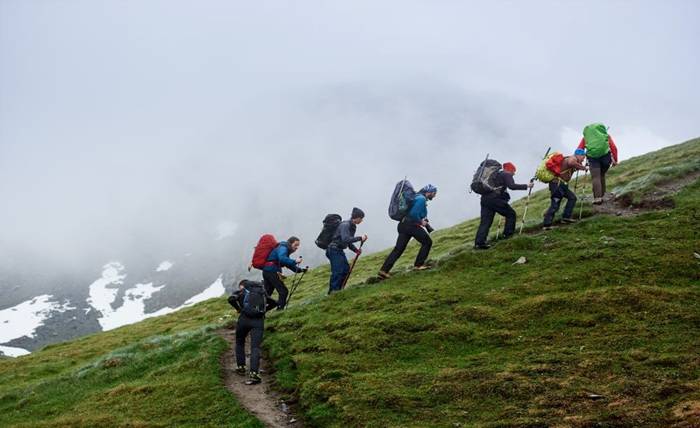
Trying out extreme sports for the first time is like jumping into an adventure that pushes your limits—physically, mentally, and emotionally. Whether you’re gearing up for mountain biking, whitewater rafting, or rock climbing, a solid foundation of preparation can make all the difference in safety, confidence, and overall experience. It’s not just about the adrenaline rush; it’s about being ready to enjoy the challenge and handle it responsibly.
From building endurance to checking your gear, preparing properly helps you get the most out of your high-intensity experience. Here’s a rundown of key steps to take before diving into your chosen extreme sport.
1. Build Your Physical Endurance First
Extreme sports demand more from your body than everyday activities. You’ll be using your core, arms, legs, and sometimes even muscles you didn’t know you had. Building a strong base through cardio workouts, strength training, and flexibility exercises is essential. Regular workouts, like running or swimming, can boost your stamina and support your overall conditioning. To maintain low-impact, consistent cardio, using a medical-grade treadmill or hydraulic resistance machines can be a smart addition to your routine.
Companies like APT Sports / Medical can give you access to such equipment, helping both beginners and pros stay active in a safe and controlled way. By including these machines in your prep, you’re training your body for the unexpected twists and turns that come with most extreme sports. It’s about conditioning your muscles for power—and your heart for endurance.
2. Learn About the Sport’s Risks and Safety Guidelines
Before you sign up for anything with “extreme” in the name, it’s smart to know exactly what you’re getting into. Every extreme sport carries its own set of risks, and understanding those risks allows you to take the right safety precautions. Read up on the sport, talk to experienced athletes, and check out training videos or online forums.
Many organizers, like Sierra South Mountain Sports, offer detailed safety briefings before activities like kayaking or tubing, which are essential for newcomers. Don’t skip out on learning how to use safety gear properly, from helmets and harnesses to flotation devices. This step isn’t about scaring yourself—it’s about setting realistic expectations and preparing for different scenarios. Being informed reduces anxiety and helps you respond confidently in the moment.
3. Check and Double-Check Your Gear
Your gear is your lifeline during an extreme sport, especially in outdoor environments. Whether it’s your climbing shoes, your bike helmet, or your kayak paddle, every item you use should be in good condition and fit properly. If you’re renting equipment, give it a once-over before heading out, and don’t hesitate to ask the provider questions. Poorly fitting gear can lead to discomfort or even injury, which can be easily avoided with a little diligence.
Make a checklist and go over it twice to ensure you’re not missing anything. This is also a good time to get familiar with how your gear works—adjust straps, practice using buckles, and understand how everything is supposed to function. Even something as simple as wearing the right layers under a wetsuit can affect your performance and comfort.
4. Fuel Your Body with the Right Nutrition
Food may seem like an afterthought when you’re caught up in the excitement, but it plays a major role in how your body performs. A well-balanced diet filled with lean proteins, whole grains, fruits, and vegetables can provide the energy you need for high-intensity activities. Hydration is equally important—drink plenty of water before, during, and after your adventure.
If you’re going on a multi-hour activity like mountain biking or rafting, pack snacks that are easy to digest and rich in energy, like protein bars or dried fruit. Avoid heavy or greasy meals right before your event, as they can leave you sluggish or uncomfortable. Think of your body as the engine behind your adventure—what you put in is what you’ll get out. Consistent, nutritious eating habits are the foundation for a more enjoyable and sustained performance.
5. Practice with Simulated or Low-Risk Versions First
If you’re new to extreme sports, jumping straight into the most intense version might not be the best idea. Instead, try a simulated or beginner-level experience to get a feel for the movements and demands. For example, try indoor rock climbing before heading up a real cliff face. Use controlled environments or courses that are designed to introduce you to the sport safely.
Hydraulic machines can also be used to simulate resistance and build muscle control without high impact, and a medical treadmill can help improve your balance and endurance gradually. These kinds of tools offer a safer way to warm up your body and ease into more challenging activities. This can also helps you prepare more mindfully. Small, incremental exposure builds skill and confidence without overwhelming your body or mind.
6. Mentally Prepare for the Experience
Extreme sports aren’t just about physical readiness—they also test your mental strength. Fear, hesitation, or even overconfidence can all affect your performance. That’s why it’s important to go in with the right mindset. Practice breathing techniques, visualization, or light meditation before your activity. Think about how you’ll handle moments of stress or fatigue. Remind yourself that it’s okay to take breaks, listen to your body, and ask for help if needed.
Confidence comes from preparation, so the more you’ve trained and educated yourself, the more at ease you’ll feel. Don’t ignore the emotional aspect—acknowledge your nerves, but don’t let them control your actions. A grounded, positive mindset can make the experience even more rewarding.
7. Know Your Limits and Respect the Environment
Finally, knowing your limits doesn’t mean backing down—it means being smart. Pushing yourself is part of the thrill, but only to the point where it’s still safe. Listen to your body and the instructions of your guide or coach. If something feels off or too risky, it’s okay to sit it out or modify the activity. Also, be mindful of the natural surroundings if you’re participating in outdoor sports. Leave no trace, respect local wildlife, and stay on designated paths or waterways.
Organizers often emphasize responsible practices to ensure nature stays protected for future adventurers. By respecting both your body’s needs and the environment, you’re making sure the experience is safe and sustainable—not just for you, but for everyone else, too.
Final Thoughts
Preparing for extreme sports is part of the journey, and it’s just as important as the sport itself. With the right mix of physical training, mental readiness, and safety awareness, you’ll be able to dive into your adventure feeling confident and capable. So gear up, train smart, and enjoy every second of the ride.