

We have millions of commuters who drive to work, school, or appointments on a daily basis. The car that we commute to school or work on a daily basis is more important to us than the car that we use on vacation. The ideal commuter car is not luxury or luxurious it is comfort, practicality, reliability, and affordability.
Think about it: thin streets, bumper-to-bumper traffic plazas, volatile gas prices, and needing to be insulated in a bubble render driving most stressful on any vehicle. Your perfect vehicle for cruising all that traffic unscathed without batting an eyelash and in comfort and also being cheap in the long term.
This is just a quick list of what constitutes an ideal commuter car, the most essential aspects you’ll be searching for, some of the types of cars that are suitable to commute in, some of the best to drive, and how to optimally select. From highway warfare on and off the road, city street mileage to road commuting a long distance to work, this blog is going to guide you through the perfect car for your commute.
What Constitutes a Good Commuter Car
A commuter car is not a weekend sports car nor a family SUV vehicle. It has extremely special requirements to meet.
Best Commuter Car Must-Have Features
- Fuel Efficiency – Saves gas money with every trip.
- Reliability – Starts every morning without fail.
- Comfort – Smooth seats and sophisticated ride for long driving.
- Safety – Advanced driver-assistance features to protect you.
- Affordability – Reasonable purchase price and low maintenance fees.
- Technology – Simple-to-use infotainment, assistance, and connectivity.
- Practical or Compact Size – Easy to maneuver and park in the dense inner city.
The optimum mix of the above is a good commuter vehicle.
Types of Commuter Cars
Every two commutes are unique, and commuter cars thus exist in all shapes and sizes.
- Compact Cars
Small, inexpensive, and easy to park.
Ideal for city use.
Examples: Honda Civic, Toyota Corolla.
- Sedans
Slightly larger with more space.
Ideal for road trips.
Examples: Hyundai Sonata, Toyota Camry.
- Hatchbacks
Large trunk with tiny footprint.
Ideal for work-life balance driving.
Examples: Volkswagen Golf, Mazda 3 Hatchback.
- Hybrids and EVs
Extremely fuel-efficient or electric.
Perfect for eco-commuters.
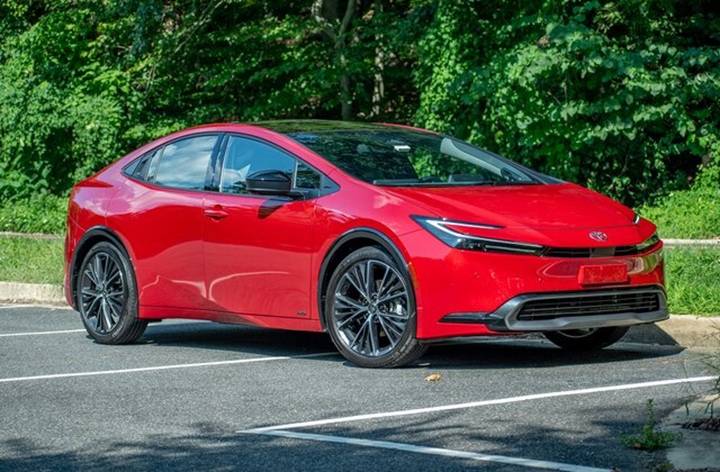
Examples: Toyota Prius, Tesla Model 3, Hyundai Ioniq.
- Small SUVs
Higher driving seat.
Space for family or gear.
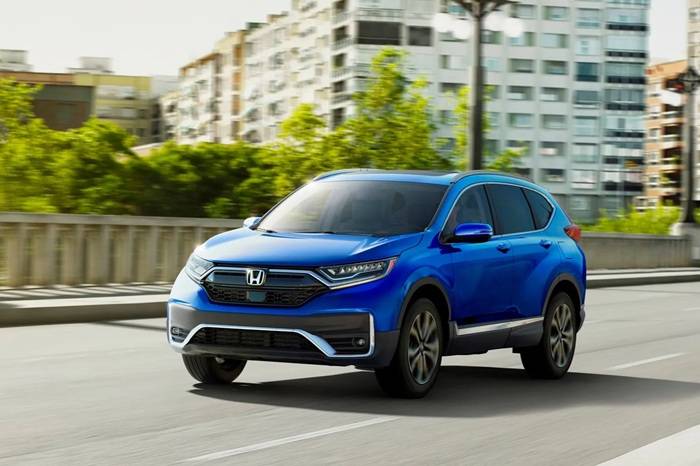
Examples: Honda CR-V, Subaru Crosstrek.
What is the correct category of your commute type and purpose.
Best Commuter Car Features to Find
Comfort Features
- Lumbar-adjustable seats.
- Quiet cabin to reduce stress.
- Smooth suspension on crappy roads.
Efficiency Features
- Hybrid or high-MPG engines.
- Regenerative braking on hybrids/EVs.
- Eco-driving modes.
Safety Features
- Lane-keeping assist.
- Adaptive cruise control.
- Blind-spot monitoring.
- Automatic emergency braking.
Technology Features
- Apple CarPlay and Android Auto.
- Touchscreen navigation.
- Wireless charging.
- Multiple USB ports.
They all make work commuting easier and safer each day.
Top Commuter Cars of All Time
Toyota Corolla
Legendary dependability.
Up to 40 mpg highway gas miles.
Economic and everywhere.
Honda Civic
Nice appearance on modest dollars.
Roomy interior space.
Good resale value.
Toyota Prius
Hybrid mania.
Ideal for city commuters.
Low emissions, high MPG.
Hyundai Elantra
Luxury-car amenities at economy price.
Industry-best warranty.
Hi-tech interior.
Mazda 3
Economic and fun-to-drive.
Luxury-appointments interior.
Priced similarly to sedan or hatchback.
Tesla Model 3
High-range all-electric.
Low ownership cost.
Autopilot and other advanced tech.
These are top commuters’ choice always.
Building Commuter Cars by Fuel Type Comparison
| Fuel Type | Pros | Cons |
| Gasoline | Low cost, lower initial price | Lower mileage, more expensive fuel in the long term |
| Hybrid | High MPG, environmentally friendly | Higher price, battery longevity |
| Plug-in Hybrid | Limited range on electric alone | More expensive, has to be plugged in |
| Electric (EV) | Low emissions, low operating cost | Short range, has to be plugged in |
Dependent on drive distance and charge distance.
The Era of Electric Commuter Cars
As urban planning vision continues to grow more sustainable-driven, EVs are becoming more popular as a luxury commuter car.
- Nissan Leaf – Easy, cheap EV.
- Chevy Bolt – Over 250 miles of range.
- Tesla Model 3 – Geektastic, fast, sporty.
- Hyundai Kona Electric – Compact crossover with decent range.
EVs perfect for city commuting but require charging stations in proximity.
Strengths and Weaknesses of Commuter Car Types
Compact Cars
Pros: Inexpensive, fuel-efficient, simple to park.
Cons: Terrible storage room.
Sedans
Pros: Well-balanced, spacious.
Cons: Not spacious nor more rugged than SUVs.
Hatchbacks
Pros: Useful storage bin, a blast to drive.
Cons: Less spacious rear seat arrangements.
Hybrids/EVs
Pro: Fuel-efficient, easy on the Earth.
Con: Costs more to purchase upfront.
SUVs
Pro: Spacious, safe to ride in, plentiful.
Drawback: Use more gasoline.
All for various drivers and journeys.
Cost of Owning a Commuter Car
- Buy Price – Subcompacts $20,000–$28,000. EV/hybrids $30,000–$45,000.
- Insurance – Depending where, but commuter cars will be cheaper than sports cars.
- Gas Prices – Hybrids and EVs always cheapest over long term.
- Maintenance – Japanese cars have best chance to be low-maintenance but highly reliable.
- Resale Value – The Toyota and Honda cars hold value more than others.
A commuter car is less of a low price tag than it is the cost over long term.
Picking the Perfect Commuter Car for You
- Evaluate Your Commute – City driving, highway driving, or in between?
- Establish a Budget – Gas, insurance, and maintenance on a monthly budget.
- Haggle Shop for Features – Safety and practical features and not high-end features.
- Road Test – Road trip comfort matters more than you might think.
- Think Long-Term – Resale value and future-gen tech.
Your needs and not whim should be what drive your purchase.
Commuter Car Future
The commuter vehicle is changing rapidly.
- Electrification – Hybrids and EVs increasing the floor space.
- Autonomous Features – Autonomous driving for easy commutes.
- Car Sharing & Subscriptions – Alternative car ownership models on the rise.
- Connectivity – Smart homes and offices talking to the car.
Your dream future commuter car won’t just take you there—you—it’ll help, entertain, and connect.
Best Commuter Cars FAQs
What is the best commuter vehicle to count on?
Toyota Corolla and Honda Civic are #1 hands down when it comes to reliability.
Do I buy a hybrid to commute?
Yes, if you absolutely need to save gas and spend most of the commute in the city.
Are SUVs commuter cars?
Yes, smaller SUVs like Honda CR-V or Subaru Crosstrek, but not as gas-efficient.
Are EVs commuter cars?
Yes, if your commute is the correct size and you have charging capability.
More relevant to a car that is going to be a commuter car—style or efficiency?
Efficiency, comfort, reliability first. Style is gravy.
The best commuter vehicle isn’t a vehicle. A vehicle—it’s your best friend on the road. With econo-cars like the Toyota Corolla and Honda Civic. Hybrids like the Prius and even electric cars like the Tesla Model 3. There just aren’t enough to go around that offer the perfect blend of price, ease, and mileage.
Your dream car: cruising around town, zooming down the freeway, or shuttling the kids to soccer practice. Wherever your whim, and most important is that safety, reliability, and gas mileage efficiency rank at the top. Once you’ve picked the one, your daily commute to the workplace is no chore, but a comfortable, trouble-free ride.
Meta Description: