

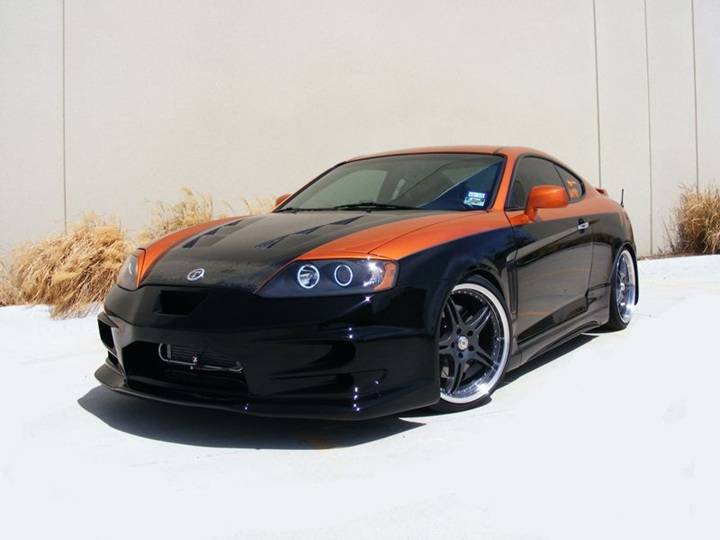
With every generation of models came that specific model which was that single one which came to mind—the not always the fastest, nor the richest, but the one which ignited your heart with élan, price, and attitude. For Hyundai, that car was the Tiburon. Known as Hyundai Coupe worldwide, the Tiburon gave the owner a sports two-door automobile for a price which would not deplete their checking account.
From swoopy nose to price-is-no-object roadside entry, the Tiburon resonated to appeal to young driving aficionados who wanted a hip-to-look-at car without breaking their arm and leg to purchase foreign- or Japanese-imported sports coupes. Through two generations, it developed a cult following, tuner’s dream car status, and a reputation which makes us wistfully yearn even in the day of today’s modernity.
This comprehensive guide takes a deep dive into the Tiburon car: its history, design, trims, performance, market reception, and place in car culture. We’ll also look at how it compares to rivals, its strengths and weaknesses, and why it still matters even though production ended years ago.
Origins of the Hyundai Tiburon
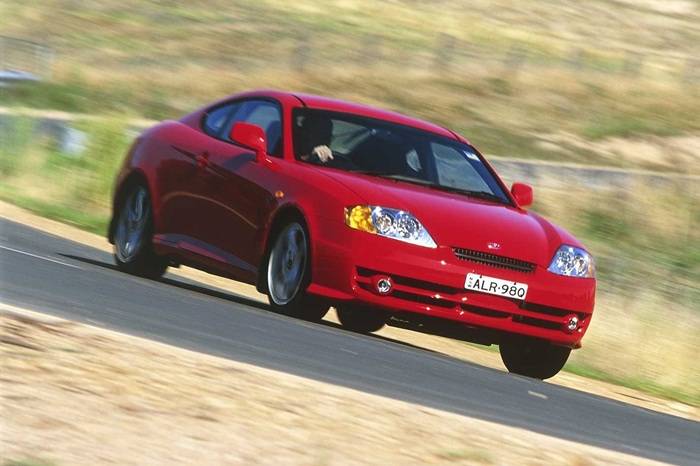
Its Spanish name was Tiburon, and as a title alone, the title of the car was well-suited because Hyundai actually did go on to make this car aggressive, sporty, and quick.
- Debut – Originally launched in 1996 as a replacement for Hyundai Scoupe.
- Position in the Market – Positioning was competitive with an emphasis on youth sales with regard to sporty appearance and low costs.
- Worldwide Identity – In North America, it was the Tiburon; elsewhere internationally, in Europe, Asia, and Australia, it was called the Hyundai Coupe.
Hyundai wasn’t known for sports cars at the time, so the Tiburon played a key role in shifting the company’s image.
First Generation (1996–2001)
The original Tiburon was based on Hyundai’s J2 platform.
Exterior Design
- Sharp, angular styling with pop-up headlights in some markets.
- Streamlined profile like Japanese coupes like Honda Prelude.
- Cam in vibrant colors to complement its image of youthfulness as well.
Engine Options
- Lower trim had a 1.6L or 1.8L inline-4.
- Upper trim had a 2.0L DOHC engine, a stronger one.
Driving Character
- Lightweight body made it light and crisp.
- One of the slower ones but easy on the hands and a joy to drive for beginners.
- Manual transmission added to its sportiness.
This generation debuted the Tiburon as an economy sports coupe.
Second Generation (2002–2008)
The second generation was a complete redesign.
Exterior
- Sleek, shark-like body with curved lines.
- Low roof, wide stance, menacing front nose.
- Pop-up headlights eliminated for more aerodynamic integrated designs.
Engine Lineup
- 2.0L inline-4 on base models.
- 2.7L V6 on GT models (up to 172 hp).
- Manual and auto transmissions.
Interior Upgrade
- Less cheap feel than the first generation.
- Leather seats on upper trims.
- Improved ergonomics and audio system.
Performance
- Not as stiff as the competition such as the Nissan 350Z.
- But very good handling overall, especially with the V6 GT package.
Second generation solidified Tiburon as hip value sports coupe.
Special Editions and Trim
During its time, Hyundai released a few variations.
- Tiburon GT – Trim with the 2.7L V6, sport suspension, and leather trim.
- Tiburon SE – Handling trim with six-speed manual transmission.
- Tiburon Tuscani (Europe/Korea) – Luxury trim with signature badging.
- Limited Editions – Offered limited edition paints, wheels, and interior trims once.
The interior trims allowed the customers to personalize the Tiburon according to their preference.
Strong Points of the Tiburon Vehicle
The Tiburon was not a hot coupe but had some very good things going in its favor.
- Affordable Price – Priced less than Japanese and American competitors.
- Trimmed Appearance – Appeared a terrible lot more expensive car.
- Tuner Potential – Tuner sweetheart with which to customize one’s own.
- Good Reliability – Especially in 2.0L four-cylinder form.
- Roomy Interior – More upscale than those accustomed to receiving from Hyundai.
It was a fashionable choice for young first-time sports car buyers and young adults.
Tiburon Weaknesses
No car is perfect, and the Tiburon was no different.
- Performance Deficiencies – Even the V6 underpowered compared to others.
- Fuel Economy – Less fuel efficient than smaller sedans and hatchbacks.
- Resale – Hyundai brand reputation affected resale in early 2000s.
- Interior Room – Tight rear seats, coupes’ standard.
These weaknesses kept it from being closely matched with sports cars that were more performance-oriented.
Tiburon vs The Competition
| Model | Engine Options | Engine Power Range | Strengths | Weaknesses |
| Hyundai Tiburon | 2.0L I4, 2.7L V6 | 138–172 hp | Low price, stunning appearance | Underpowered |
| Honda Prelude | 2.2L I4 VTEC | 190–220 hp | Polished performance | More expensive |
| Mitsubishi Eclipse | 2.4L I4, 3.0L V6 | 147–210 hp | Slender design, decent power | Heavy handling |
| Toyota Celica | 1.8L I4 | 140–180 hp | Sporty, dependable handling | Less torque |
| Nissan 350Z | 3.5L V6 | 287–300 hp | Unbridled sports power | Considerably more expensive |
Conversely, the Tiburon was characterized by price and style, not unbridled power.
Tiburon in Car Culture
The Tiburon was the most tunable car with tuners.
- Tuner Favorite – Tuners enjoyed tweaking the Tiburon with turbo kits, body kits, and interior trim.
- Pop Culture – Even less popular than the Skyline or Supra, the Tiburon was noted in some video games and street racing culture references.
- First Sports Car – Most owners loved it as their introduction to sports cars without the high cost.
No racecar by any means, but lots of character.
Tiburon Car Reliability and Maintenance
Hyundai reliability improved by leaps and bounds during the Tiburon era.
Reliability Highlights
- 2.0L engines stood the test of time if maintained properly.
- Low maintenance made operating cost extremely low.
- Low-voltage electrical system failure, clutch wear, and timing belt wear were common issues.
Maintenance Costs
- Fewer repairs than European sports coupes.
- Parts availability was reasonable in most markets.
- Insurance premiums were lower than the competition overall.
It was a relatively low-maintenance sports coupe.
Tiburon Legacy
The Tiburon assembly ceased in 2008. Hyundai discontinued the Tiburon and replaced it with the Genesis Coupe, a more potent rear-wheel-drive sports coupe.
Why It Still Matters
- Represents Hyundai’s first serious attempt at a stylish sports coupe.
- Built a loyal fanbase of enthusiasts.
- Proved Hyundai could make cars that were more than just budget commuters.
- Helped shift the company’s image toward modern, stylish vehicles.
Even today, used Tiburons attract buyers looking for affordable fun.
The Future of Sport Coupes from Hyundai
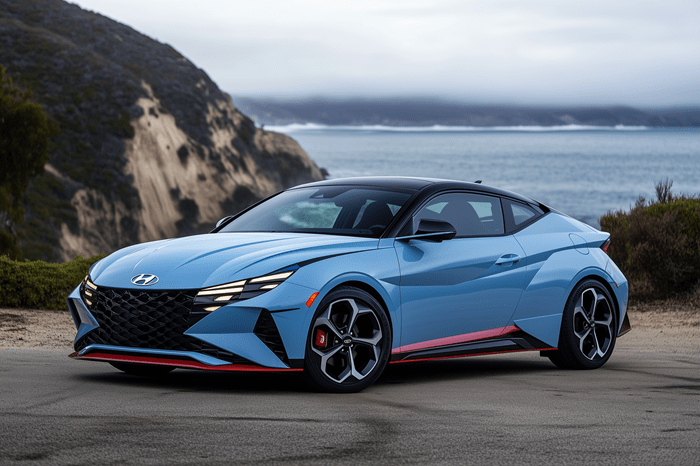
Though the Tiburon is gone, Hyundai continues to dabble in sporty coupes.
- Genesis Coupe (2008–2016) – Rear wheel drive and up to 348 hp.
- Hyundai Veloster N – Turbocharged second-generation hot hatch.
- Hyundai N Performance Division – To produce performance cars.
- Electric Sports Cars – Hyundai builds EVs under the Ioniq brand, with rumors of performance versions in the works.
The Tiburon paved the way for Hyundai’s more ambitious projects.
FAQs About the Tiburon Car
Is the Hyundai Tiburon a sport car?
Yes, but more a sport coupe than a high-performance sport car.
How much horsepower does the Tiburon generate?
138 hp (I4) to 172 hp (V6), depending on the vehicle.
Is the Tiburon dependable?
Yes, especially the four-cylinder variants, as long as regular servicing.
Why did they discontinue the Tiburon as a production vehicle?
Hyundai put its money into more performance-based vehicles such as the Genesis Coupe.
Are Tiburons available for purchase?
Yes, they appear on the used market at typically discounted prices.
The Tiburon coupe was never the fastest coupe of sports cars speeding down the roadways, but it was neat, it was a blast to drive, and it was affordable. It brought sport driving to an entirely new generation of drivers who felt no sticker shock fear of imports or luxury.
It gave it wedge-shaped looks, mid-pack reliability, and an easy-to-tune chassis. Most importantly, though, it gave Hyundai the opportunity to forget the company’s legacy of constructing low-end cars exclusively and attempt to create cars that real human beings would be interested in purchasing.
Today, the Tiburon holds a place in automotive nostalgia—a reminder that a car need not be perfect to be loved. For enthusiasts who appreciate bargain styling and tradition, the Tiburon continues to be a sign of personality and ambition.