


The P0030 code is one of the most common trouble codes car owners and mechanics encounter. It relates to the heated oxygen sensor (HO2S) heater control circuit, specifically Bank 1 Sensor 1. When this code appears, it usually points to issues with the oxygen sensor or its wiring, affecting the vehicle’s emissions system and performance.
This complete guide explains everything you need to know about the P0030 code, including what it means, causes, symptoms, diagnostic steps, repair solutions, and tips to avoid future problems.
Understanding the P0030 Code
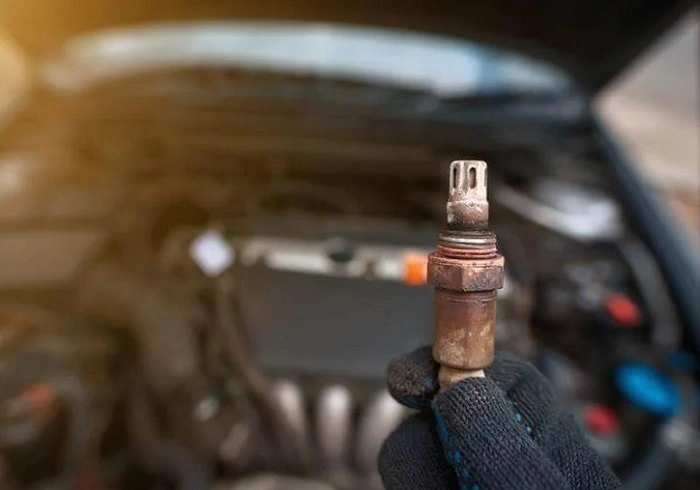
What Does the P0030 Code Mean?
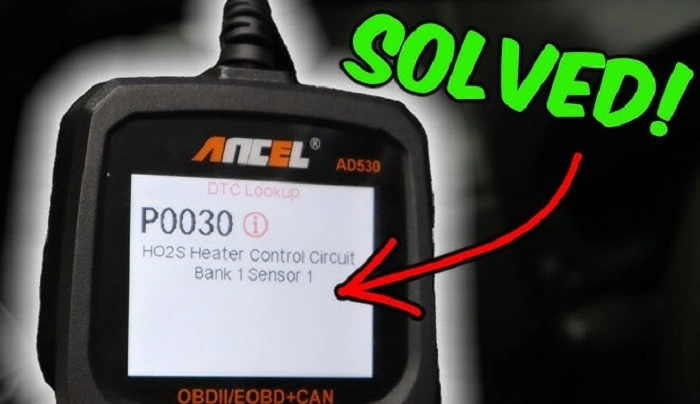
The P0030 code stands for “HO2S Heater Control Circuit (Bank 1 Sensor 1).”
In simple terms, it means that the engine control module (ECM) has detected a problem in the heater circuit of the upstream oxygen sensor on Bank 1 (the side of the engine with cylinder 1).
The oxygen sensor heater helps the sensor reach its operating temperature quickly for accurate readings. If it fails, emissions and fuel efficiency can suffer.
Key Functions of the Heated Oxygen Sensor
- Monitors the oxygen level in exhaust gases
- Provides feedback to adjust air-fuel ratios
- Uses a heater to achieve operating temperature faster
- Critical for fuel economy and emission control
Common Causes of the P0030 Code
Several issues can trigger the P0030 trouble code. The most common causes include:
- Failed oxygen sensor heater element
- Damaged or corroded sensor wiring
- Blown fuse related to the O2 sensor circuit
- Faulty engine control module (ECM)
- Open or shorted wiring harness
- Poor electrical connections at the sensor
Identifying the exact cause is essential for effective repairs and avoiding unnecessary part replacements.
Symptoms of the P0030 Code
When the P0030 code appears, you may notice several symptoms, including:
- Check Engine Light is illuminated
- Poor fuel economy
- Rough idling or stalling
- Increased emissions
- Hesitation during acceleration
- Longer warm-up time for the engine
In some cases, there may be no obvious symptoms besides the Check Engine Light. This makes proper diagnostic steps even more important.
Diagnosing the P0030 Code
Step-by-Step Diagnosis
Diagnosing the P0030 code correctly saves time and money. Here’s how professional mechanics approach it:
- Scan for codes: Use an OBD-II scanner to confirm the P0030 and check for related codes.
- Visual inspection: Inspect the oxygen sensor wiring for damage, fraying, or burns.
- Check the fuse: Verify that the fuse for the oxygen sensor heater circuit is intact.
- Test the sensor heater: Use a multimeter to check the resistance of the sensor’s heater element. Typical resistance is between 3 to 10 ohms.
- Check power and ground: Ensure the oxygen sensor is receiving proper voltage and ground.
- Inspect the ECM: In rare cases, the engine control module could be the root cause.
Performing a full inspection ensures that you don’t replace a good sensor when the real issue is a wiring fault.
How to Fix the P0030 Code
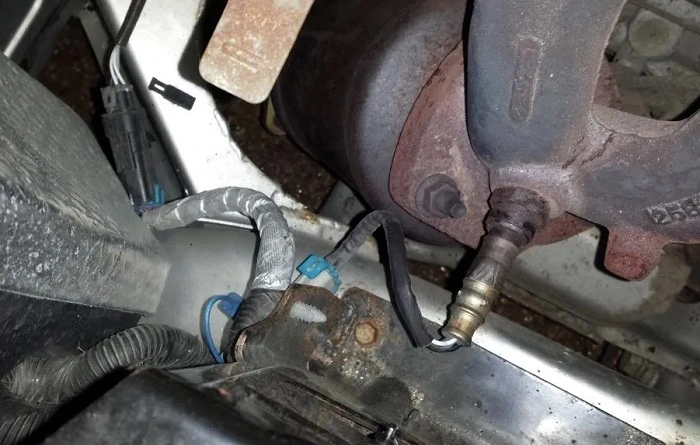
Common Repair Solutions
Depending on the diagnosis, fixing the P0030 code usually involves one or more of the following steps:
- Replace the upstream oxygen sensor (Bank 1 Sensor 1)
- Repair or replace damaged sensor wiring
- Replace blown fuse and repair short circuits
- Repair connectors or replace them if corroded
- Replace ECM (only if thoroughly diagnosed)
In most cases, replacing the oxygen sensor is the solution, but checking wiring and fuses first can prevent unnecessary expenses.
Tips for Replacing the Oxygen Sensor
- Use OEM-quality sensors to avoid compatibility issues
- Apply anti-seize compound to the sensor threads for easier removal later
- Reset the Check Engine Light with an OBD-II scanner after repair
Always verify that the repair worked by driving the vehicle and confirming that the code doesn’t return.
Cost of Repair for the P0030 Code
Repair costs for the P0030 code vary depending on the root cause:
| Repair Type | Estimated Cost |
| Oxygen sensor replacement | $150 – $350 |
| Wiring repair | $50 – $200 |
| Fuse replacement | $10 – $30 |
| ECM replacement (rare) | $600 – $1200 |
Labor costs can vary based on location and whether you visit a dealership or an independent mechanic.
Preventing the P0030 Code in the Future
While some sensor failures are inevitable over time, you can minimize the chances of seeing a P0030 trouble code again with these tips:
- Perform regular maintenance and inspections
- Use high-quality fuel to reduce sensor contamination
- Avoid water intrusion in the sensor wiring
- Address minor Check Engine Lights early before they escalate
- Replace oxygen sensors according to your vehicle manufacturer’s maintenance schedule
Preventive care helps keep the emissions system working properly and improves overall vehicle performance.
Pros and Cons of Fixing P0030 Quickly
Pros
- Restores fuel economy
- Reduces harmful emissions
- Ensures smooth engine operation
- Prevents damage to catalytic converter
Cons
- Repair costs if the diagnosis is incorrect
- Possible difficulty accessing the sensor in some vehicles
Who Should Handle a P0030 Code Repair?
The P0030 code can be a DIY fix if you’re comfortable using basic tools and an OBD-II scanner. However, if diagnosing wiring issues or replacing an oxygen sensor feels too complex, it’s wise to visit a certified mechanic.
Professional diagnosis ensures that the right repairs are made the first time, saving you time and avoiding repeat issues.
FAQs About P0030 Code
What does a P0030 code mean?
It indicates a malfunction in the heater control circuit for the Bank 1 Sensor 1 oxygen sensor.
Can I drive with a P0030 code?
Yes, but it’s not recommended for long periods, as it can affect fuel efficiency and emissions.
How serious is a P0030 code?
It’s moderately serious; while the car can still run, it should be addressed soon to avoid long-term issues.
How do you reset a P0030 code?
After repairs, you can reset the code using an OBD-II scanner or by disconnecting the battery (although a scanner is recommended).
Can a bad oxygen sensor cause other problems?
Yes, it can lead to poor fuel economy, rough idling, increased emissions, and even catalytic converter damage.