

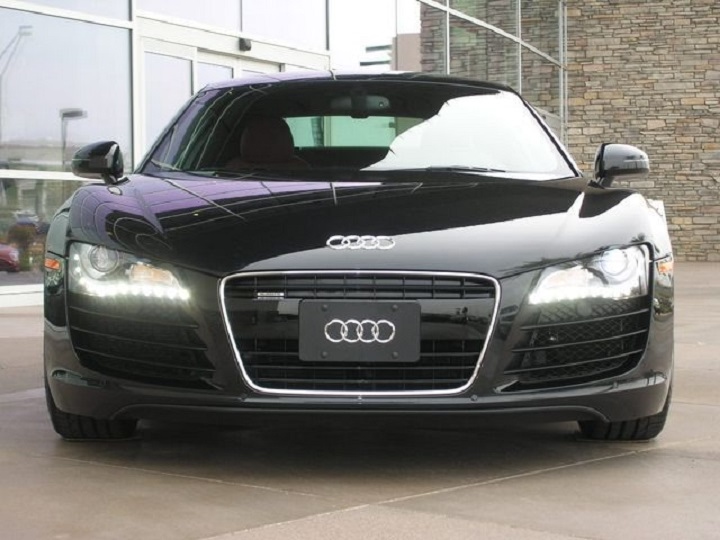
Daytime Running Lights (DRLs) are a standard feature on most modern vehicles but many drivers still don’t fully understand what they do or why they’re there. Unlike headlights, DRLs aren’t designed to help you see the road better, they’re there to help others see you. With simple functionality and proven safety benefits, DRLs are a small but significant part of automotive lighting tech.
Why Consider Daytime Running Lights?
A Quick Overview
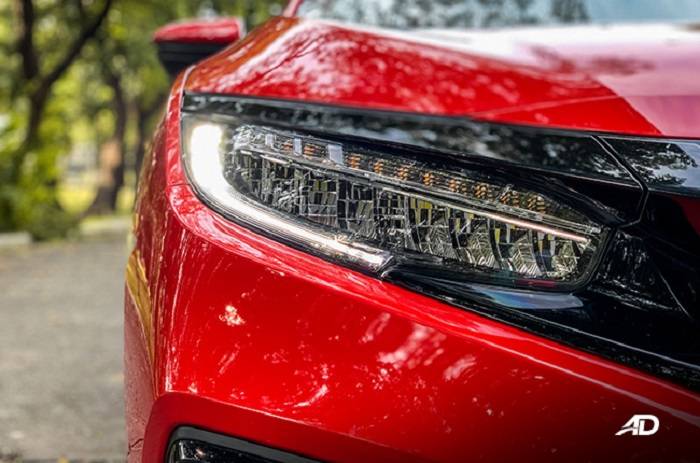
What They Are: Low-powered lights that automatically turn on when a vehicle is in motion during the day
What They’re For: To increase your vehicle’s visibility to other drivers, pedestrians, and cyclists
Where They’re Located: Typically in or near the headlight assembly
When They Work: During the day—automatically active when the car is on and not in park (varies by vehicle)
DIY Friendly? Yes—bulb replacements and upgrades are simple for most cars
Daytime Running Light Highlights
Improve Visibility Without Driver Input
DRLs are always on when you’re driving (unless your car has a manual override). They don’t light up the road but make your car more noticeable in traffic, especially in low-contrast conditions like dusk, dawn, or fog.
Pros: Increases vehicle visibility without requiring the driver to act
Cons: Can confuse drivers into thinking headlights are on at night if the dash is also backlit
Proven Safety Benefit
Studies have shown that DRLs reduce multi-vehicle daytime crashes by making vehicles easier to spot. They’re especially helpful in preventing head-on and intersection collisions.
Pros: Statistically shown to reduce accidents
Cons: Benefit is minimal in well-lit or low-traffic conditions
LED DRLs vs. Halogen
Most modern DRLs use LED technology, which is brighter, longer-lasting, and more energy-efficient than traditional halogen bulbs. Some older models still use halogen or even dimmed headlight setups.
Pros: LED DRLs are maintenance-free and stylish
Cons: Halogen DRLs are dimmer and wear out faster
Integrated Into Vehicle Design
On newer cars, DRLs are part of the vehicle’s styling signature, often forming unique light shapes or running across the grille. In older vehicles, they may simply be dimmed headlights.
Pros: Adds to modern aesthetic and brand identity
Cons: DRL placement varies—may not be effective on all vehicle designs
Common Issues with Daytime Running Lights
Burned-Out Bulbs
Halogen DRLs eventually burn out and need replacement, though LEDs last much longer.
Fix: Replace the bulb with a manufacturer-approved or upgraded LED unit
Confusion with Headlights
Drivers sometimes think DRLs are enough at night or in tunnels—forgetting to turn on full headlights.
Fix: Always use headlights when it’s dark, raining, or visibility is poor—even if DRLs are on
DRLs Not Working Properly
Some vehicles experience issues with DRLs not activating or flickering due to faulty sensors, fuses, or wiring.
Fix: Check the vehicle’s fuse box or consult a technician if there’s a persistent electrical issue
No Manual Override
In some cars, DRLs are always on with no option to disable them—this bothers some drivers who prefer full control over lighting.
Fix: Check the owner’s manual; some vehicles allow DRL disabling via settings or dealership programming
Maintenance and Reliability Outlook
Routine Maintenance Tips
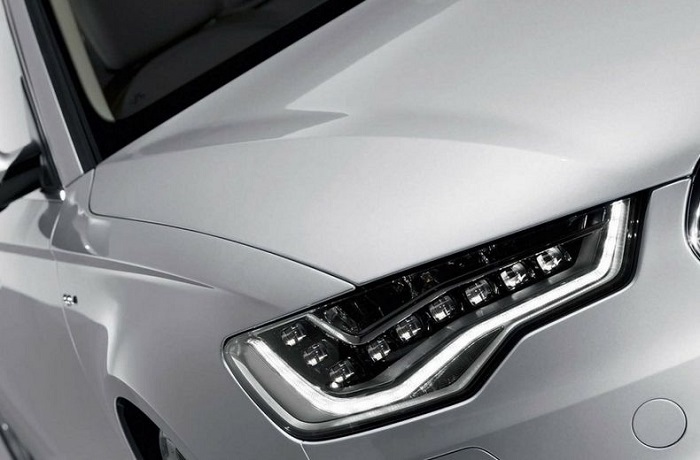
Check Function: Confirm DRLs are working during vehicle walkarounds
Bulb Replacement: Halogen bulbs typically last 1–3 years; LEDs can last over a decade
Lens Cleaning: Keep lenses clean to maintain brightness
Fuses: Inspect if DRLs suddenly stop working
Energy Use
- Halogen DRLs: Draw more power, add minor fuel drain
- LED DRLs: Extremely efficient, draw minimal current
Battery Impact: Negligible on most modern systems
Reliability
DRLs are simple systems and rarely fail—especially LED versions. Most issues stem from aging bulbs or wiring in older cars.
Pros: Low maintenance, long-lasting
Cons: Harder to replace in vehicles with sealed headlight units
Pros and Cons of Daytime Running Lights
Pros:
✔ Increases daytime visibility and safety
✔ Requires no driver input
✔ Adds modern styling in many vehicles
✔ LED versions are long-lasting and efficient
✔ Standard in most markets and brands
Cons:
✘ Some drivers rely on DRLs at night, forgetting headlights
✘ Limited effectiveness in bright daylight or low-traffic areas
✘ Halogen versions burn out and dim over time
✘ May confuse some drivers unfamiliar with DRL behavior
FAQs
Do I need to turn on my daytime running lights?
No—they’re automatic in most vehicles and turn on when the car is in gear.
Are DRLs the same as headlights?
No—DRLs are dimmer and don’t light the road ahead. Headlights are required for full visibility in dark or rainy conditions.
Can I upgrade my DRLs to LED?
Yes, many aftermarket kits are available, but check local laws and vehicle compatibility.
Do DRLs really improve safety?
Yes—numerous studies show a reduction in daytime crashes, particularly head-on and intersection collisions.
Why don’t all cars have DRLs?
In most regions they’re now standard, but some older vehicles or imports may not have them factory-installed.
Daytime Running Lights may seem like a minor feature, but their contribution to vehicle safety is significant. They increase visibility, reduce accidents, and enhance a car’s modern look, all without any driver effort. Whether you’re buying a new vehicle or upgrading an older one, DRLs are a low-maintenance, high-impact feature worth understanding.