

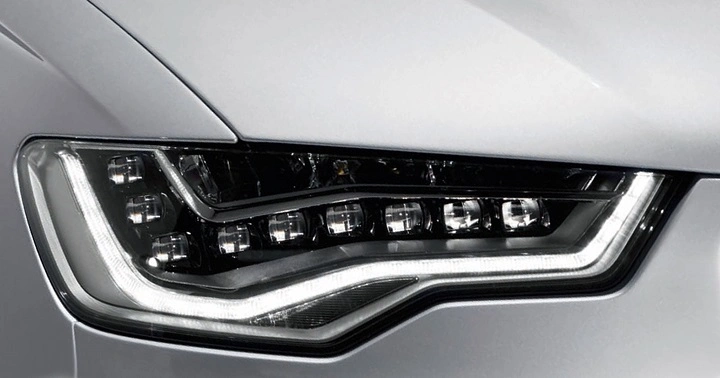
If you’ve come across the term DRL lights while researching vehicles or reading your car manual, you might be wondering what exactly they are and why they matter. DRL stands for Daytime Running Lights, and while they may seem like a minor feature, they play an essential role in vehicle safety and visibility.
Meta Description: Learn what DRL lights (Daytime Running Lights) are, how they work, and why they’re important for safety. Explore the benefits of DRLs for modern vehicles.
What Are DRL Lights?
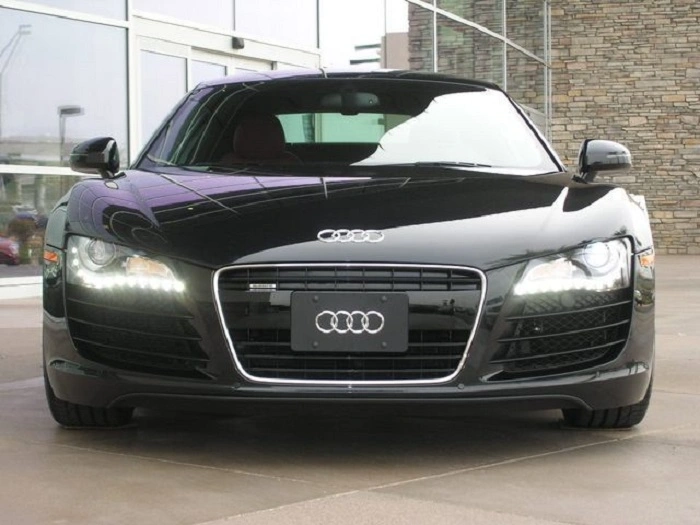
Daytime Running Lights (DRLs) are low-intensity lights located at the front of your vehicle, designed to stay on whenever the vehicle is running and the headlights are off. Unlike headlights, DRLs do not illuminate the road ahead; their primary purpose is to make your vehicle more visible to other drivers and pedestrians during daylight hours.
Typically, DRLs are integrated into the headlight assembly or appear as separate LED strips or bulbs, depending on the vehicle’s make and model.
How Do DRL Lights Work?
DRL lights automatically turn on when:
- The vehicle’s engine is running
- The headlights and parking lights are off
- The ambient lighting conditions are bright (i.e., daytime)
Most modern cars use LED DRLs because they consume less power and last longer. However, older models may use halogen or incandescent bulbs.
In many vehicles, the DRL system is controlled by the car’s computer, adjusting brightness based on external lighting conditions or vehicle speed.
Benefits of DRL Lights
Daytime Running Lights may seem like a simple feature, but they offer several advantages:
Enhanced Visibility
DRLs make your vehicle more noticeable to other drivers, cyclists, and pedestrians during daylight hours. Increased visibility reduces the risk of collisions, especially in conditions like:
- Dawn and dusk
- Overcast or rainy weather
- Urban traffic with distractions
Improved Road Safety
Several studies have shown that DRLs contribute to fewer daytime accidents. Countries like Canada and Sweden have long mandated DRLs due to their proven effectiveness in reducing crashes.
Energy Efficiency
Modern DRLs, especially those using LED technology, consume minimal power and don’t significantly impact fuel efficiency or battery life.
Stylish Appearance
In addition to safety, DRLs often enhance the aesthetic appeal of a vehicle. Manufacturers design DRLs in unique shapes or patterns, adding to the car’s overall modern look.
Are DRL Lights Mandatory?
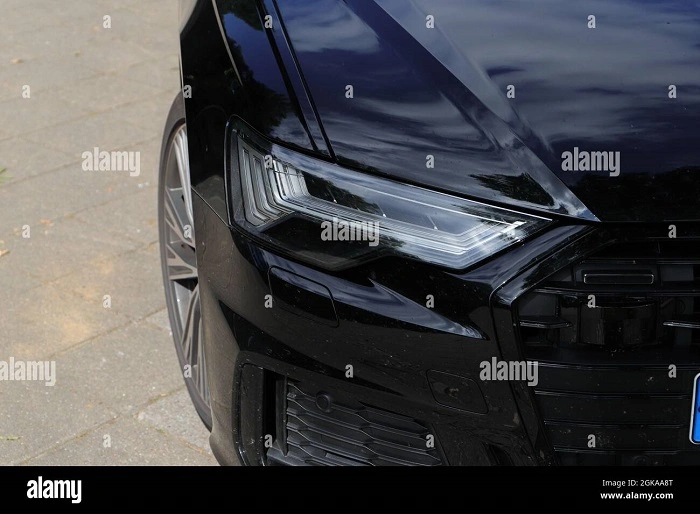
In some countries, Daytime Running Lights are mandatory on all new vehicles, while in others, they are optional:
| Region/Country | DRL Regulation |
| Canada | Mandatory on all new vehicles since 1989 |
| European Union | Mandatory on new vehicles since 2011 |
| United States | Optional (not mandated, but increasingly common) |
| Australia | Mandatory on some vehicle categories |
Even in regions where DRLs are optional, many manufacturers include them as standard due to their safety benefits.
Common Issues with DRL Lights
While DRL systems are generally low-maintenance, you might encounter a few issues:
- Burned-out Bulbs: Older halogen DRLs may burn out over time and need replacement.
- Faulty DRL Module: If the DRLs fail to turn on or stay on, it could be due to a malfunctioning control module.
- Blown Fuse: Some DRL systems have a dedicated fuse that may blow and disable the lights.
- Wiring Problems: Damaged or corroded wiring can interrupt power flow to DRLs.
If you notice your DRLs are not functioning correctly, it’s advisable to consult a professional mechanic to diagnose the issue.
Can You Disable DRL Lights?
In some vehicles, it is possible to disable DRLs manually, either via settings in the infotainment system or by modifying wiring or fuses. However, disabling DRLs is not recommended because:
- It reduces your vehicle’s daytime visibility
- It may violate safety regulations in certain countries
- It could impact your vehicle’s resale value
Daytime Running Lights may not light up the road like headlights, but they serve a crucial purpose. By improving your vehicle’s visibility during the day, DRLs contribute to better safety for you, your passengers, and others on the road. Modern DRLs, especially LED designs, offer energy efficiency, style, and reliability—making them a small but valuable feature in today’s vehicles.