

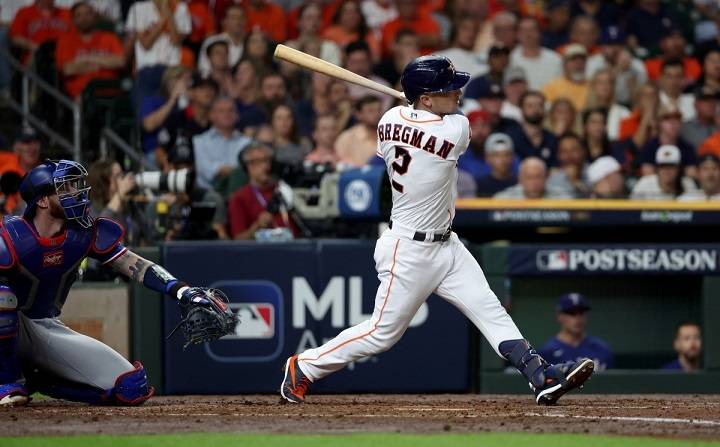
Baseball is more than just a sport; it’s a tradition rooted in American history and culture. Often referred to as “America’s pastime,” baseball continues to captivate millions worldwide with its mix of strategy, skill, and spirit. Whether you are a seasoned fan or just beginning to learn about the game, this comprehensive guide will walk you through everything you need to know, from the basics to insider knowledge that only true baseball enthusiasts can appreciate.
The History of Baseball
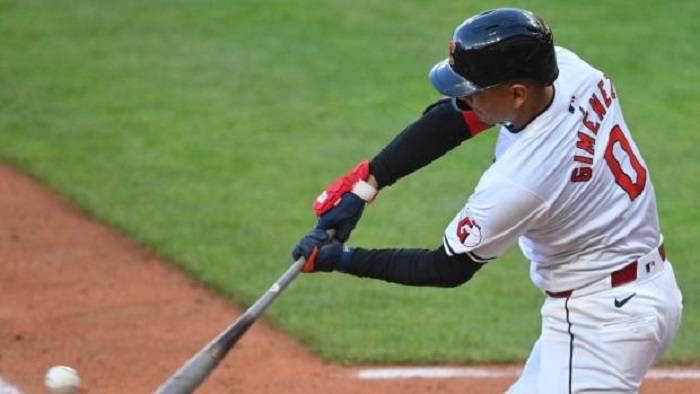
Origins and Early Development: Baseball’s exact origins are shrouded in mystery, but it is widely believed to have evolved from bat-and-ball games played in Europe. By the mid-19th century, it had taken root in the United States with New York City at its epicenter.
The Professional Era: The National League, established in 1876, marked the beginning of organized professional baseball. The American League soon followed, and the two leagues competed fiercely before uniting under the umbrella of Major League Baseball (MLB) in 1903.
The Modern Era: With the introduction of the World Series, night games, televised broadcasts, and international recruitment, baseball transitioned into a global phenomenon. Today, it continues to grow in popularity, especially in countries like Japan, South Korea, and the Dominican Republic.
Understanding the Basics of the Game
Objective: The primary objective in baseball is to score more runs than the opposing team. A run is scored when a player successfully crosses home plate after rounding the bases.
Gameplay Structure:
Innings: A standard MLB game comprises nine innings, with each team alternating between offense (batting) and defense (fielding).
Positions: There are nine fielding positions, including the pitcher, catcher, infielders, and outfielder.
The Pitcher and Catcher: These two are often called the “battery” and play pivotal roles in each defensive inning.
Scoring and Outs:
Runs: Scored when a player touches all four bases in a specific sequence.
Outs: Each team aims to secure three outs per inning to switch from defense to offense.
Advanced Rules and Strategies
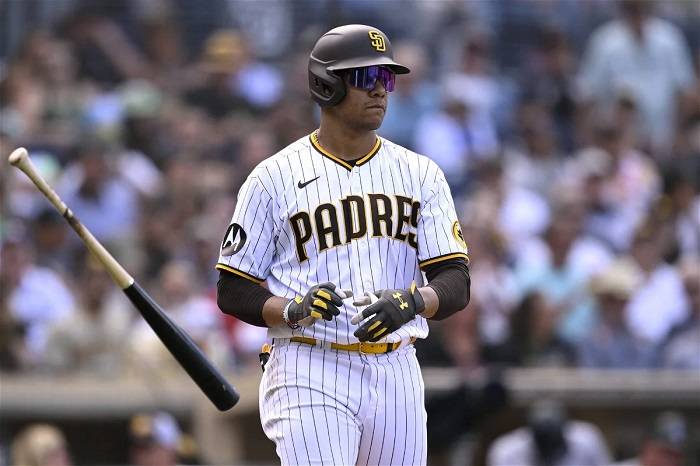
Pitching Techniques: Pitchers utilize various pitches, such as fastballs, curveballs, sliders, and changeups, to deceive batters. Pitch sequencing and pitch location are critical strategies.
Batting and Offensive Strategy:
Lineup Construction: Managers carefully decide the batting order to maximize the team’s scoring potential.
Bunts and Steals: Teams may bunt to advance runners or steal bases to gain a strategic advantage.
Fielding Tactics:
Shifts: Defensive shifts involve adjusting fielders’ positions based on a batter’s tendencies.
Cutoff and Relay: Crucial in minimizing the opposing team’s scoring chances, these tactics ensure quick and accurate throws.
The Strike Zone: An Insider’s Deep Dive
The strike zone is the most critical yet controversial area in baseball. Officially defined as the space over home plate extending from a batter’s knees to their shoulders, the strike zone is the umpire’s guideline for calling pitches. However, each umpire has a unique interpretation, which often leads to heated debates. Here’s an insider breakdown:
Evolution: The strike zone has evolved over time, with MLB constantly refining the rules to achieve a fair balance between offense and defense.
Technology’s Role: Modern technology, like instant replay and the electronic strike zone, helps teams analyze umpires’ tendencies.
Umpire Strategies: Umpires develop personalized strategies to ensure consistency in their strike zone interpretation, leading to unique calls during the game.
Gear and Equipment Essentials
Bats: Wooden bats are used in professional baseball, while metal bats dominate amateur play. The choice between them depends on factors like weight, balance, and barrel size.
Gloves: Fielders use specialized gloves tailored to their positions. Catchers’ mitts, for instance, are heavily padded for protection, while infielders’ gloves are smaller for quicker ball transfers.
Protective Gear:
Helmets and Guards: Batters wear helmets and sometimes additional guards to protect their elbows and hands.
Catchers’ Gear: Catchers wear full protective gear, including a mask, chest protector, and leg guards.
Famous Baseball Stadiums and Their Atmosphere

Wrigley Field (Chicago Cubs): Known for its iconic ivy-covered walls.
Fenway Park (Boston Red Sox): The “Green Monster” left-field wall makes this stadium a must-visit.
Yankee Stadium (New York Yankees): Home to one of the most successful franchises in history.
Dodger Stadium (Los Angeles Dodgers): Offers breathtaking views of the surrounding hills.
Each stadium has its unique atmosphere and quirks that define the local baseball culture.
Insider Tips for Aspiring Players and Fans
For Players:
Consistent Practice: Practice your swings and pitching mechanics regularly.
Physical Conditioning: Baseball requires full-body conditioning, including strength training and agility drills.
Mental Preparation: Sharpen your mental game through visualization and strategic analysis.
For Fans:
Fantasy Leagues: Participate in fantasy baseball to enhance your understanding of player performance.
Statistical Analysis: Learn the advanced stats like WAR (Wins Above Replacement) and OPS (On-base Plus Slugging) to deepen your appreciation.
Support Minor Leagues: Minor league baseball is an essential part of the sport’s ecosystem and offers a more intimate fan experience.
The Strategic Landscape
The Modern Strike Zone
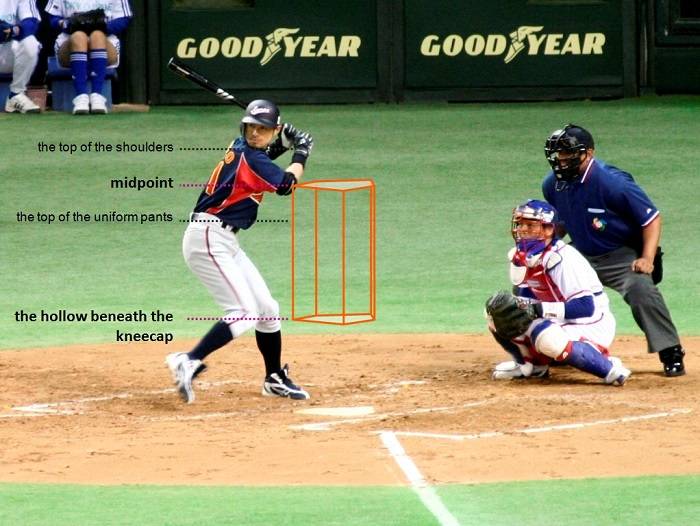
One of the fundamental aspects of baseball is the strike zone, the imaginary box dictating whether a pitch is a ball or a strike. However, its definition has changed significantly over time. Today, MLB employs high-tech tracking systems like Statcast to offer precise measurements of a pitch’s location relative to each batter’s strike zone, which is defined from the batter’s shoulders to their knees. This technology has improved the accuracy of umpire calls and provides valuable data for teams to analyze pitching and hitting trends.
Defensive Shifts and Positioning
Gone are the days of traditional infield alignments. The defensive shift has transformed how managers approach their defense. Based on hitter-specific data, teams often move their infielders to unconventional positions, effectively neutralizing the batter’s favored hitting areas. While it reduces offensive output, the strategy is highly effective. As a result, the MLB is considering rule changes to limit these shifts, aiming to enhance offensive action.
Pitching Strategies and Techniques
Pitching remains a focal point in today’s game, with increased emphasis on analytics. Teams scrutinize pitchers’ spin rates, velocity, and pitch movement to optimize their arsenals. The fastball remains the primary weapon, but the increasing reliance on sliders, cutters, and changeups offers batters a diverse challenge. Moreover, the use of “openers” (a relief pitcher starting the game to face the first few batters) has emerged as a trend, reflecting the strategic depth in bullpen management.
Hitting Approaches
For hitters, the launch angle and exit velocity have become key metrics that define their approaches. Batters now prioritize driving the ball in the air to maximize their chances of extra-base hits and home runs. Consequently, home run rates have soared in recent seasons. However, this has also led to an increase in strikeouts, emphasizing a “feast or famine” approach where batters prioritize power over contact
Related Post:
The Ultimate Guide to the Best Baseball Nets: Features, Benefits, and Recommendations
The Ultimate Guide to Choosing the Best Baseball Cleats
Mastering Your Batting Stance: A Comprehensive Guide
The Ultimate Baseball Trivia Challenge: Test Your Knowledge of America’s Pastime
Baseball is a game of nuances, where every pitch, swing, and decision can change the outcome. Understanding the historical context, rules, strategies, and insider details like the strike zone enhances appreciation for the sport. Whether you’re aiming to become a more knowledgeable fan or an ambitious player, diving deep into baseball’s world offers a rewarding journey into the heart of one of the world’s greatest sports.