

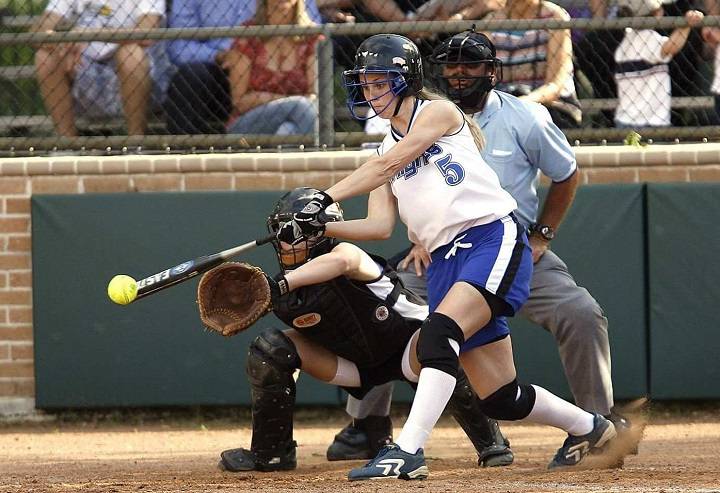
Softball, a beloved pastime for many, offers a unique blend of athleticism, strategy, and camaraderie. Whether you’re a player, a coach, or a fan, understanding the duration of a softball game is essential for planning, enjoyment, and overall appreciation of the sport. In this comprehensive guide, we’ll delve into the various factors that influence the length of softball games, from youth leagues to collegiate competitions and beyond.
Understanding the Basics:
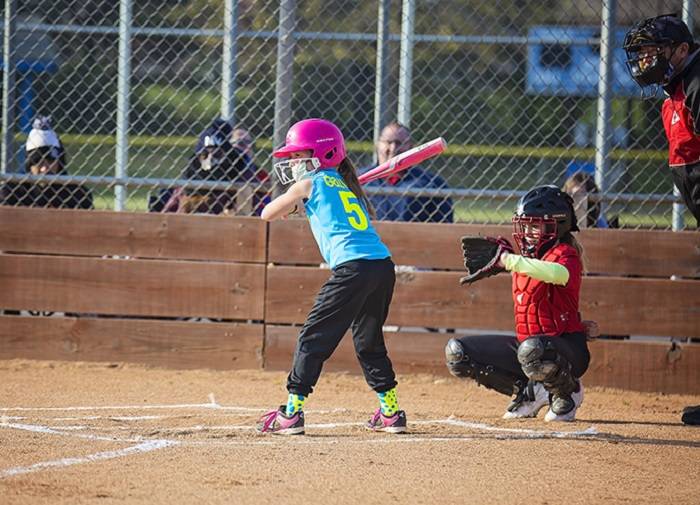
Before we delve into the intricacies of game duration, let’s establish a foundation by outlining the basic structure of a softball match. Typically, a softball game consists of seven innings, although variations exist in different leagues and levels of play. Each inning is further divided into two halves, with the visiting team batting in the top half and the home team batting in the bottom half
Understanding Softball Game Formats:
Before delving into the specifics of game lengths, it’s crucial to understand the different formats of softball games. Softball games can vary in duration and rules depending on the level of play and the governing body overseeing the competition. The two primary formats of softball are:
Fastpitch Softball: This format is characterized by a faster pitching style, typically associated with competitive play at the collegiate and professional levels.
Slowpitch Softball: As the name suggests, slowpitch softball features a slower pitching style, often played recreationally and in amateur leagues.
Factors Affecting Softball Game Lengths
Several factors contribute to the duration of a softball game. Let’s explore each of these factors in detail:
Innings: In traditional softball, games are typically played over seven innings. However, variations exist, especially in recreational leagues, where games may be shortened to accommodate time constraints.
Pitching Speed: The speed at which pitchers deliver the ball can significantly impact game length. In fastpitch softball, pitchers aim to throw with velocity, leading to quicker innings compared to slowpitch softball, where the pitching style is intentionally slower.
Offensive and Defensive Strategies: Offensive and defensive strategies employed by teams can influence the pace of the game. Aggressive base running and a high frequency of hits can result in longer innings, while effective pitching and solid defense can lead to quicker outs.
Game Flow: Momentum swings, rallies, and strategic pauses, such as timeouts or pitching changes, can affect the overall flow and duration of a softball game.
Umpire Management: The efficiency of umpires in enforcing rules, managing gameplay, and resolving disputes can impact the pace of the game.
Weather Conditions: Inclement weather, such as rain delays or extreme heat, can prolong game times or even lead to cancellations.
Average Duration of Softball Games:
The duration of a softball game can vary widely based on the factors mentioned above. However, here’s a general overview of the
average lengths of softball games across different levels of play:
Youth Leagues: Softball games in youth leagues, such as Little League or community recreational leagues, typically last around 1 to 1.5 hours. These games often have time limits or inning restrictions to accommodate younger players and ensure their safety and enjoyment.
High School: High school softball games typically span 1.5 to 2 hours, with standard seven-inning regulations. However, playoff games or championship matchups may extend beyond this timeframe.
College: College softball games, especially at the NCAA Division I level, can range from 2 to 3 hours. The competitive nature of collegiate softball, coupled with live television broadcasts and expanded media coverage, may contribute to longer game durations.
Professional: Professional softball games, such as those played in leagues like the National Pro Fastpitch (NPF), tend to last around 2 to 3 hours, depending on the level of competition and the significance of the game.
Strategies for Managing Softball Game Lengths
While softball game lengths can vary, there are strategies that players, coaches, and league organizers can employ to ensure efficient and enjoyable gameplay:
Practice Time Management: Coaches can emphasize the importance of quick transitions between innings, efficient warm-ups, and strategic timeouts to minimize downtime and keep the game moving.
Implement Time Limits: In recreational leagues or tournaments with multiple games scheduled, organizers can enforce time limits per inning or overall game duration to maintain a consistent schedule and prevent delays.
Promote Sportsmanship: Encouraging respectful and sportsmanlike behavior among players and coaches can help minimize unnecessary delays, arguments, and disruptions during the game.
Utilize Technology: Incorporating technology, such as electronic scoreboards and instant replay systems, can streamline officiating processes and reduce potential delays caused by human error.
Youth Leagues: Where it All Begins
For many young athletes, softball serves as an introduction to team sports and competitive play. In youth leagues, games often adhere to a time limit rather than a fixed number of innings. This time limit can vary widely depending on the league’s rules and age group, ranging from as short as one hour for younger players to two hours or more for older divisions. Additionally, mercy rules may come into play, where a game ends early if one team establishes a significant lead over the other.
High School and College: The Battle for Victory
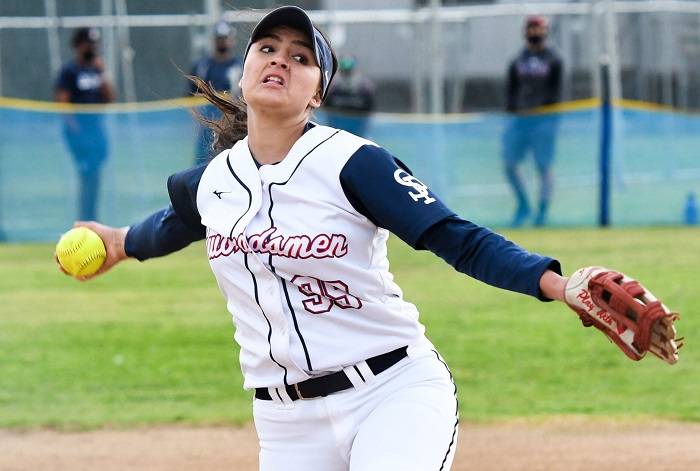
As players progress through the ranks, from high school to collegiate level, the duration of softball games tends to increase. High school softball games typically adhere to a seven-inning format, mirroring the rules of the sport at its core. However, time constraints may still play a role, especially in tournament settings or when games are scheduled back-to-back.
In college softball, the intensity ramps up, with fierce competition unfolding over the course of a season. Like their high school counterparts, college softball games typically consist of seven innings. However, the pace of play may vary depending on factors such as pitching changes, strategic maneuvers by coaches, and the overall competitiveness of the teams involved.
Elite Levels: The Pursuit of Excellence
At the pinnacle of the sport, elite-level softball showcases the finest athletes competing at the highest level of skill and athleticism. In professional leagues such as the National Pro Fastpitch (NPF) or international tournaments like the Olympics, softball games can be a true test of endurance and resilience.
While the seven-inning format remains standard, elite-level games may extend beyond the typical time frame due to the heightened level of play and the stakes involved. Close matchups between top-tier teams can result in extra innings, adding an element of drama and unpredictability to the proceedings.
Related Post:
Understanding Basketball Positions: A Comprehensive Guide
Understanding Basketball Fouls: A Comprehensive Guide to the Rules and Regulations
Understanding Violations in Basketball: Rules, Interpretations, and Impact on Gameplay
In conclusion, the duration of a softball game can vary depending on numerous factors, including the level of play, pitching style, game format, and external conditions. While some games may be brisk and efficient, others may unfold more leisurely, allowing players and spectators alike to savor every moment on the field. By understanding the influences on game length and implementing strategies for efficient gameplay, softball enthusiasts can continue to enjoy this beloved sport for years to come. Whether you’re a seasoned player, a dedicated coach, or a passionate fan, the beauty of softball lies not just in the final score but in the moments shared and memories created on the diamond.
So, next time you find yourself at a softball game, take a moment to appreciate the intricacies of gameplay and the stories unfolding inning by inning. After all, in the world of softball, it’s not just about the destination—it’s about the journey.