

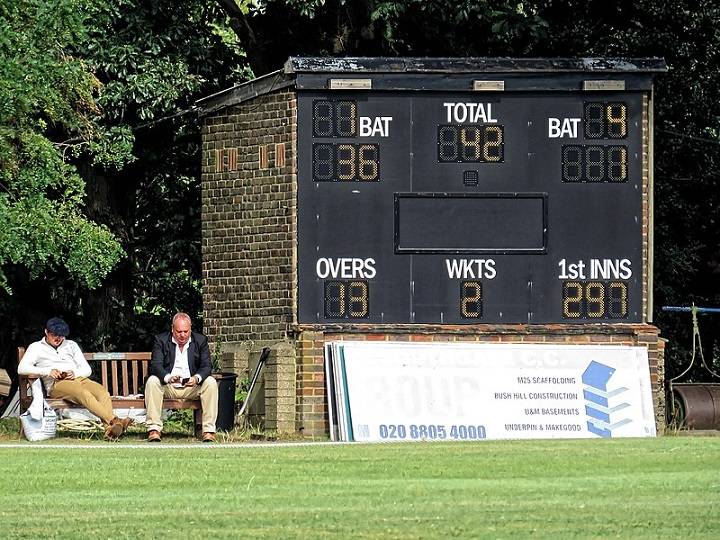
Cricket, often described as a religion in some parts of the world, is a sport that possesses a unique language of its own. To the uninitiated, the scoring system in cricket can seem like a complex maze of numbers and terms. But fear not, for in this guide, we’ll break down the fundamentals of cricket scoring, from runs to wickets, so you can follow the game with ease.
Understanding the Basics
Before diving into the complexities of cricket scoring, it’s essential to grasp the fundamentals of the game. Cricket is typically played between two teams, each consisting of eleven players. The primary objective of the game is for one team to score more runs than the other.
A cricket match is divided into innings, with each team having the opportunity to bat and bowl. During their innings, the batting team aims to score runs by hitting the ball and running between two sets of wickets located at either end of the pitch. Meanwhile, the bowling team endeavors to dismiss the batsmen and restrict the opposition’s scoring.
The Role of the Scorer
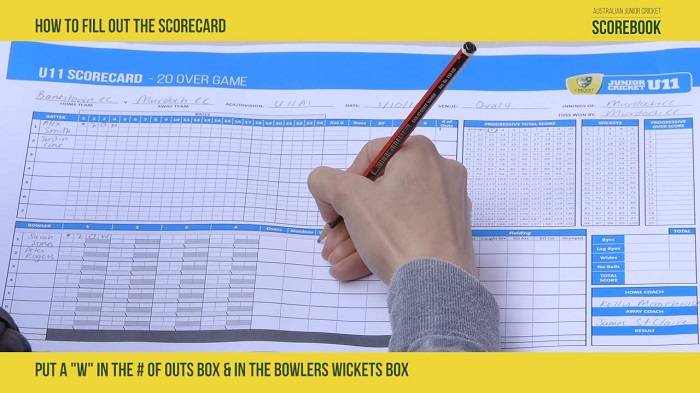
Central to the conduct of a cricket match is the role of the scorer. The scorer is responsible for meticulously recording every detail of the game, ranging from runs scored to wickets taken, as well as various other statistics. A proficient scorer possesses a keen eye for detail, excellent concentration, and a thorough understanding of the game’s rules and regulations.
Scoring Tools and Techniques
Traditionally, cricket scoring was done manually using pen and paper. However, with advancements in technology, electronic scoring systems have become increasingly prevalent in modern cricket matches. These systems utilize specialized software and hardware to capture real-time data, providing instant updates to players, officials, and spectators alike.
Regardless of the method employed, the basic principles of cricket scoring remain consistent. Runs scored by the batsmen are recorded using numerical values, while dismissals are annotated with specific symbols denoting the mode of dismissal (e.g., bowled, caught, lbw).
Key Components of a Scorecard
A typical cricket scorecard contains a wealth of information, offering insights into the flow and dynamics of the game. Some of the key components include:
Batsmen’s Scores: This section lists the runs scored by each batsman, along with the number of balls faced. It also includes details such as boundaries hit (fours and sixes) and the strike rate, which indicates the pace at which runs are being scored.
Bowling Figures: Here, the performance of each bowler is documented, including the number of overs bowled, runs conceded, wickets taken, and economy rate. Additionally, extras conceded (such as wides and no-balls) are also recorded.
Partnership Analysis: Cricket is often referred to as a game of partnerships, and the scorecard reflects this by highlighting the partnerships formed between batsmen. This section provides insights into the collaborative efforts of batting pairs and their contribution to the team’s total score.
Fall of Wickets: Every dismissal is documented in this section, detailing the sequence in which batsmen were dismissed and the corresponding score at the time of dismissal. This information is crucial for assessing the momentum of the game and identifying potential turning points.
Extras: In cricket, extras refer to runs scored without the batsman making contact with the ball. This can include wides, no-balls, byes, and leg byes. The scorecard records the extras conceded by the bowling team, providing an indication of their discipline and accuracy.
Scoring Decisions and Disputes
Despite the scorer’s best efforts to maintain accuracy, scoring decisions can sometimes be subjective and prone to dispute. In such cases, the umpires play a crucial role in resolving any discrepancies and ensuring fair play. It is essential for scorers to communicate effectively with umpires and players, clarifying any ambiguities and adhering to the established protocols for scoring.
Scoring Innovations and Trends
The advent of technology has revolutionized the way cricket is scored and analyzed. In addition to electronic scoring systems, advanced statistical metrics and analytics tools have emerged, providing deeper insights into player performance and game dynamics. From ball-tracking technology to predictive modeling, the landscape of cricket scoring continues to evolve, offering new avenues for exploration and innovation.
The Scorecard
A cricket scorecard is a visual representation of a match’s progress. It typically includes various statistics and information such as the runs scored by each batsman, the number of balls faced, the number of wickets fallen, and the runs conceded by bowlers. Let’s delve into each aspect:
Batting
Runs: This column displays the number of runs scored by each batsman. It includes both the runs scored by running between the wickets and those scored through boundaries.
Balls Faced: The number of balls faced by each batsman before being dismissed or before the innings concludes.
Wickets: Indicates the sequence in which batsmen were dismissed. For example, if a player is dismissed first, their name appears at the top of the wickets column.
Bowling
Overs: Overs represent a set of six consecutive legal deliveries bowled by a bowler. It’s a standard unit used to measure a bowler’s workload.
Runs Conceded: This column displays the number of runs scored off the bowler’s deliveries.
Wickets: Indicates the number of wickets taken by the bowler.
Scoring Methods
Runs
Singles, Doubles, and Triples: When batsmen successfully run between the wickets after hitting the ball, they score one, two, or three runs, respectively.
Boundaries: Four runs are awarded if the ball reaches the boundary rope after bouncing. Six runs are awarded if the ball clears the boundary rope without touching the ground.
Wickets
Bowled: If the ball hits the stumps and dislodges the bails, the batsman is declared out, and the dismissal is recorded as ‘bowled.’
Caught: If a fielder catches the ball after it’s hit by the batsman before it touches the ground, the batsman is deemed out, and the dismissal is recorded as ‘caught.’
LBW (Leg Before Wicket): If the ball strikes the batsman’s leg before hitting the bat, and the umpire deems that it would have hit the stumps, the batsman is given out ‘LBW.’
Run Out: If a fielder successfully hits the stumps with the ball while the batsman is outside the crease and hasn’t completed a run, the batsman is run out.
Stumped: If the wicketkeeper successfully removes the bails while the batsman is outside the crease and not attempting a run, the batsman is stumped.
Strategic Considerations
Understanding cricket scoring goes beyond just knowing the numbers. It’s also about understanding the strategic nuances of the game. For example:
Run Rate: The average number of runs scored per over. A high run rate indicates aggressive batting, while a low run rate may suggest a cautious approach.
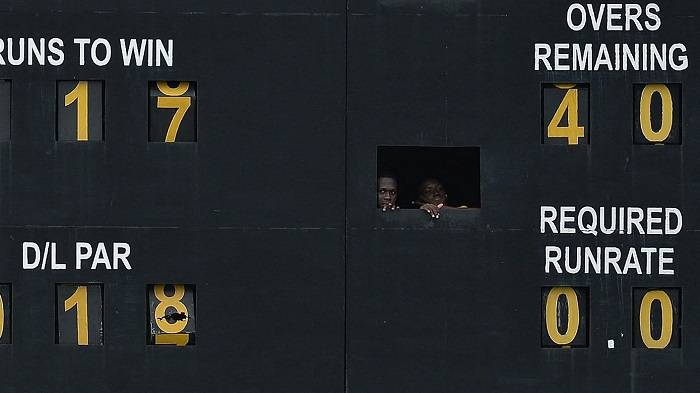
Required Run Rate: In limited-overs matches, it represents the rate at which the batting team must score to achieve the target set by the opposition.
Economy Rate: The average number of runs conceded by a bowler per over. A low economy rate suggests economical bowling, while a high rate indicates expensive bowling.
Related Post:
Dominating the Diamond: Lady Vols Softball – A Legacy of Excellence
The Ultimate Guide to Jordan Baseball Cleats: Style, Performance, and More
Unveiling the Style: Exploring Football Drip and Its Influence on the Gridiron
Cricket scoring is more than just a series of numbers; it’s a narrative that unfolds with every delivery bowled and every shot played. By understanding the basics of cricket scoring, you’ll be able to appreciate the intricacies of the game and follow the action with greater clarity. So, the next time you tune in to watch a cricket match, keep these scoring principles in mind, and you’ll find yourself immersed in the rich tapestry of the sport.