

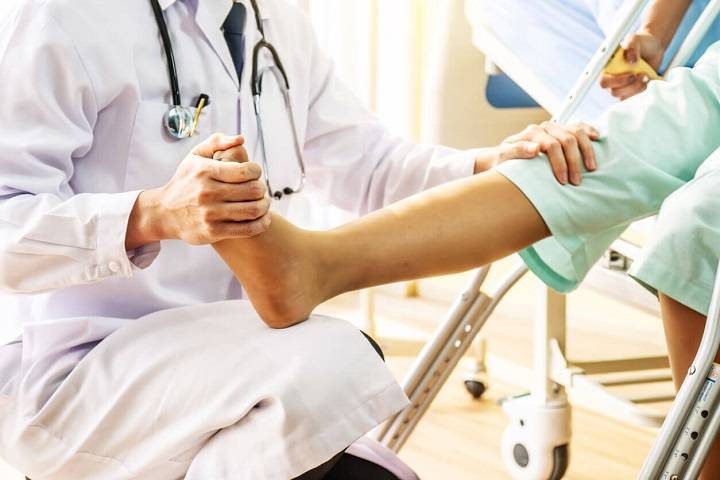
In the dynamic field of healthcare, advancements in technology and research continually drive progress, particularly in the realm of advanced orthopedics and sports medicine. From groundbreaking surgical techniques to cutting-edge rehabilitation methods, the latest innovations in this field are revolutionizing the treatment and management of orthopedic injuries and sports-related conditions. In this comprehensive guide, we explore the most recent developments and breakthroughs in advanced orthopedics and sports medicine, shedding light on the transformative impact they have on patient care and athletic performance.
Exploring Advanced Orthopedics and Sports Medicine:

Advanced orthopedics and sports medicine encompass a wide range of specialties and disciplines aimed at diagnosing, treating, and preventing musculoskeletal injuries and conditions. From orthopedic surgery to sports rehabilitation, these fields play a crucial role in restoring function, relieving pain, and enhancing the quality of life for patients of all ages and activity levels. The latest innovations in advanced orthopedics and sports medicine leverage technology, research, and collaboration to push the boundaries of what is possible in musculoskeletal care.
The Ultimate List of Innovations:
| Innovation | Description | Impact |
| 3D Printing Technology | Custom Implants and Prosthetics | Enhanced Precision and Patient Outcomes |
| Robotic-Assisted Surgery | Precise Joint Replacement Procedures | Improved Surgical Accuracy and Recovery |
| Platelet-Rich Plasma Therapy | Regenerative Medicine for Tissue Healing | Accelerated Recovery and Tissue Repair |
| Biologic Treatments | Stem Cell and Gene Therapy | Tissue Regeneration and Injury Healing |
| Virtual Reality Rehabilitation | Immersive Therapy and Pain Management | Enhanced Rehabilitation and Recovery |
| Wearable Technology | Remote Monitoring and Performance Tracking | Real-Time Feedback and Injury Prevention |
| Minimally Invasive Surgery | Arthroscopic Procedures | Reduced Pain, Scarring, and Recovery Time |
| Telemedicine | Remote Consultations and Follow-ups | Accessible Care and Patient Convenience |
| Motion Analysis Technology | Gait Analysis and Performance Optimization | Enhanced Movement Assessment and Rehabilitation |
| Shockwave Therapy | Non-Invasive Treatment for Chronic Pain | Pain Relief and Improved Function |
| Biomechanical Engineering | Custom Orthotics and Prosthetics Design | Optimal Function and Comfort |
| Precision Medicine | Personalized Treatment Plans | Targeted Therapies and Better Outcomes |
3D Printing Technology:
3D printing technology has revolutionized the field of advanced orthopedics and sports medicine by enabling the creation of custom implants, prosthetics, and surgical guides. By leveraging patient-specific data from medical imaging, surgeons can design and fabricate implants that precisely match the anatomical structure of each individual, resulting in enhanced surgical outcomes and improved patient satisfaction.
Robotic-Assisted Surgery:
Robotic-assisted surgery has emerged as a game-changer in joint replacement procedures, offering unparalleled precision and accuracy. By utilizing robotic systems guided by advanced imaging technology, surgeons can perform complex orthopedic surgeries with greater control and efficiency, leading to improved outcomes, reduced complications, and faster recovery times for patients.
Platelet-Rich Plasma Therapy:
Platelet-rich plasma (PRP) therapy harnesses the regenerative potential of the body’s own platelets to promote tissue healing and repair. By isolating and concentrating platelets from the patient’s blood, PRP therapy can accelerate the healing process for musculoskeletal injuries, such as tendonitis, ligament tears, and osteoarthritis, providing patients with a non-invasive and effective treatment option.
Biologic Treatments:
Biologic treatments, including stem cell therapy and gene therapy, hold immense promise for the field of advanced orthopedics and sports medicine. By harnessing the regenerative capabilities of stem cells and targeting specific genes involved in tissue repair and regeneration, these innovative therapies have the potential to revolutionize the treatment of musculoskeletal injuries and degenerative conditions, offering patients new hope for recovery and restoration of function.
Virtual Reality Rehabilitation:
Virtual reality (VR) rehabilitation is transforming the way patients undergo physical therapy and pain management. By immersing patients in virtual environments that simulate real-world scenarios and movements, VR rehabilitation can enhance engagement, motivation, and outcomes for individuals recovering from orthopedic injuries or undergoing sports rehabilitation, providing a novel and effective approach to rehabilitation and recovery.
Wearable Technology:
Wearable technology, such as activity trackers and smart garments, is revolutionizing the way athletes monitor their performance and prevent injuries. By providing real-time feedback on movement patterns, biomechanics, and physiological metrics, wearable devices enable athletes to optimize their training, reduce the risk of overuse injuries, and enhance overall performance, ushering in a new era of personalized sports medicine and athletic optimization.
Minimally Invasive Surgery:

Minimally invasive surgery techniques, such as arthroscopy, have transformed the field of orthopedics by offering patients less invasive alternatives to traditional open surgeries. By using small incisions and specialized instruments, minimally invasive procedures can reduce pain, scarring, and recovery time, allowing patients to return to their normal activities more quickly and with fewer complications.
Telemedicine:
Telemedicine has emerged as a valuable tool in advanced orthopedics and sports medicine, offering patients remote access to consultations, follow-ups, and rehabilitation services. By leveraging video conferencing and digital communication platforms, telemedicine enables patients to receive timely and convenient care from orthopedic specialists, regardless of their location, improving access to care and enhancing patient satisfaction.
Motion Analysis Technology:
Motion analysis technology, such as gait analysis systems and motion capture technology, is revolutionizing the assessment and optimization of movement patterns in athletes and patients with musculoskeletal conditions. By providing detailed insights into biomechanics, gait abnormalities, and performance metrics, motion analysis technology can inform personalized treatment plans, improve rehabilitation outcomes, and prevent injuries, empowering individuals to achieve optimal movement and function.
Shockwave Therapy:
Shockwave therapy offers a non-invasive and effective treatment option for chronic musculoskeletal pain conditions, such as plantar fasciitis, tendonitis, and calcific tendonitis. By delivering acoustic waves to targeted areas of the body, shockwave therapy stimulates tissue regeneration, reduces inflammation, and alleviates pain, providing patients with a safe and alternative approach to pain management and functional restoration.
Biomechanical Engineering:
Biomechanical engineering plays a critical role in the design and development of custom orthotics, prosthetics, and assistive devices for individuals with musculoskeletal impairments. By leveraging advanced materials, computer-aided design (CAD) software, and 3D printing technology, biomechanical engineers can create personalized solutions that optimize function, comfort, and mobility for patients, enhancing their quality of life and independence.
Precision Medicine:
Precision medicine, which involves tailoring treatment plans to individual patients based on their unique genetic makeup, lifestyle factors, and medical history, is revolutionizing the field of advanced orthopedics and sports medicine. By identifying biomarkers, genetic predispositions, and personalized risk factors, precision medicine enables orthopedic specialists to deliver targeted therapies and interventions that optimize outcomes, minimize complications, and improve patient satisfaction, ushering in a new era of personalized and patient-centered care.
Related Post:
Unveiling the 10 Rules of Football that Shape the Beautiful Game
Unraveling the Stories of NFL Teams Without a Super Bowl Victory
Unveiling the Intricacies of Offensive Fouls in Basketball
Unraveling the Shooting Guard’s Role in Basketball
The latest innovations in advanced orthopedics and sports medicine are transforming the landscape of musculoskeletal care, offering patients new hope, improved outcomes, and enhanced quality of life. From 3D printing technology and robotic-assisted surgery to platelet-rich plasma therapy and virtual reality rehabilitation, these groundbreaking advancements are revolutionizing the diagnosis, treatment, and prevention of orthopedic injuries and sports-related conditions. As researchers, clinicians, and engineers continue to push the boundaries of what is possible, the future of advanced orthopedics and sports medicine holds immense promise for patients, athletes, and healthcare providers alike.