

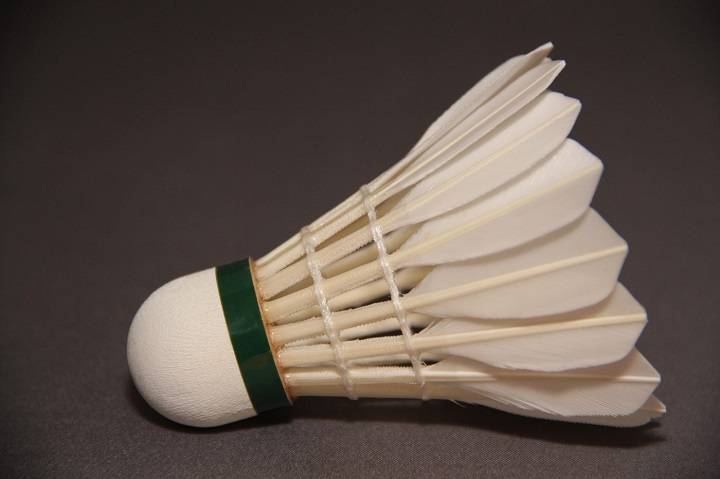
Badminton, a sport that combines lightning-quick reflexes, agility, and strategic prowess, has gained global acclaim for its fast-paced and exhilarating gameplay. Whether you’re a beginner stepping onto the court for the first time or an aspiring competitor aiming to hone your skills, understanding the fundamental techniques is crucial. In this comprehensive guide, we unravel the basic skills of badminton, delving into the nuances of footwork, grip, strokes, and strategic play that form the foundation of success in this dynamic sport.
Footwork: The Dance of Precision
Importance of Footwork:

In badminton, footwork is the cornerstone of effective play. Quick and precise movements not only allow players to reach the shuttle efficiently but also set the stage for powerful shots and strategic positioning on the court.
Basic Footwork Techniques:
Side Step:
The side step involves moving laterally along the baseline or net, allowing players to cover horizontal distances swiftly. Mastering this technique enhances court coverage and facilitates rapid responses to opponents’ shots.
Forward and Backward Movement:
The ability to move quickly forward and backward is crucial for maintaining optimal court positioning. Efficient movement toward the net for net shots or backward for defensive play ensures a well-balanced game.
Cross Step:
The cross step is employed to change direction swiftly, allowing players to transition from forehand to backhand or vice versa. This technique adds versatility to a player’s footwork, enabling seamless transitions during rallies.
Grip: Holding the Shuttle’s Fate
Proper Grip Techniques:

The grip is the interface between the player and the racket, influencing shot accuracy, power, and control. Mastering the various grip techniques is essential for adapting to different shots and playing styles.
Forehand Grip:
The forehand grip is used for shots on the forehand side of the body. Hold the racket handle with a handshake grip, ensuring that the V-shape between the thumb and index finger aligns with the racket’s frame. This grip facilitates powerful and controlled forehand shots.
Backhand Grip:
For shots on the backhand side, employ the backhand grip. Rotate the racket in the hand so that the V-shape aligns with the backhand side of the frame. This grip allows players to execute accurate and controlled backhand shots.
Overhead Grip:
The overhead grip is crucial for executing overhead shots such as clears, smashes, and drop shots. Hold the racket handle in a way that the thumb rests against the back surface of the handle, providing leverage for powerful overhead strokes.
Strokes: The Artistry of Shot-Making
Mastering Basic Badminton Strokes:
Badminton strokes showcase a blend of power, finesse, and precision. Understanding the mechanics of each stroke is essential for adapting to various game situations and outmaneuvering opponents.
Clear:
The clear is a fundamental overhead shot aimed at sending the shuttle to the back of the opponent’s court. Execute the clear by using a controlled overhead swing, ensuring the shuttle travels high and deep into the opposing court, making it challenging for opponents to counterattack.
Drop Shot:
The drop shot involves delicately placing the shuttle just over the net, making it challenging for opponents to retrieve. Mastering the drop shot requires a short backswing and precise control over the shuttle’s trajectory.
Smash:
The smash is a powerful overhead shot, executed with the intent of driving the shuttle forcefully into the opponent’s court. Timing and technique are crucial for generating maximum power. The smash is often employed as an offensive weapon to gain a strategic advantage.
Drive:
The drive is a fast and flat shot that travels parallel to the net, exerting pressure on opponents. Executing a drive requires a quick wrist action and precise control over the shuttle’s direction. Drives are commonly used to control the pace of the game and set up offensive opportunities.
Clear:
The clear, in addition to being a defensive shot, can also be employed as a tactical maneuver to reset the pace of the game. A well-executed clear allows players to regain control of the rally by creating distance between themselves and their opponents.
Net Shot:
Net shots are delicate shots played close to the net, often used to exploit gaps in the opponent’s court. A quick and controlled wrist action is essential for executing net shots, which require finesse and precision.
Lob:
The lob is a strategic shot played high and deep into the opponent’s court, often employed to reposition and gain time. Lobs can be defensive or offensive, depending on the context of the rally.
Strategic Play: Reading the Game
Tactical Awareness and Game Understanding:
Beyond mastering individual skills, success in badminton hinges on strategic play and the ability to read the game. Developing tactical awareness allows players to anticipate opponents’ moves, exploit weaknesses, and dictate the flow of the match.
Court Positioning:
Understanding optimal court positioning is vital for effective play. Players strategically position themselves to cover potential shots, anticipate opponents’ moves, and maintain control of the rally.
Singles vs. Doubles Strategies:
Singles and doubles badminton require distinct strategies. In singles, players rely on agility and precise shot-making, while in doubles, communication, teamwork, and court coverage become paramount. Understanding these nuances enhances overall game performance.
Serve and Return Tactics:
Serving Strategies: Serving is not merely a formality but a strategic element in badminton. Players can employ various serving techniques, such as short serves to the frontcourt or deep serves to the backcourt, to catch opponents off guard. Variations in serving height, speed, and placement add an extra layer of unpredictability.
Return Strategies: Effectively returning serves involves reading opponents’ intentions and reacting swiftly. Players can opt for net shots, lifts, or drives based on the type of serve they receive. A well-executed return can set the tone for the rally and disrupt opponents’ plans.
Exploiting Weaknesses:
Identifying and exploiting opponents’ weaknesses is a hallmark of strategic play. Observing patterns in their shots, footwork, or court positioning allows players to target vulnerabilities and gain a competitive edge. Adapting tactics mid-match based on these observations is a sign of tactical acumen.
Deception and Shot Variation:
Integrating deception into shot-making adds an unpredictable element to a player’s repertoire. Fakes, feints, and disguised shots can catch opponents off guard, creating opportunities for strategic play. Varying shot selection, pace, and angles keeps opponents guessing and prevents them from settling into a defensive rhythm.
Physical Conditioning: The Athletic Edge
Importance of Fitness in Badminton:
Badminton is a demanding sport that requires a high level of fitness. Physical conditioning contributes to endurance, agility, and resilience on the court. Incorporating specific exercises and training routines enhances overall performance and reduces the risk of injuries.
Endurance Training:
Badminton rallies can be prolonged, especially in intense matches. Endurance training, including aerobic exercises and interval training, improves players’ stamina, allowing them to maintain a high level of performance throughout a match.
Agility and Speed Training:
The dynamic nature of badminton necessitates rapid changes in direction and quick bursts of speed. Agility drills, speed training, and plyometric exercises enhance players’ agility, speed off the mark, and overall mobility on the court.
Strength Conditioning:
Badminton requires strength, particularly in the lower body and core muscles. Strength training exercises, such as squats, lunges, and core workouts, contribute to improved power in shots, stability during movement, and resilience in long rallies.
Flexibility Exercises:
Flexibility is essential for executing a wide range of shots and minimizing the risk of injuries. Regular stretching exercises, including dynamic stretches and yoga, enhance players’ flexibility, allowing for fluid and unrestricted movements on the court.
Related Post:
From Snap to Score: The Complete Story of Football
From Dribble to Dunk: A Comprehensive History of Basketball
Diamond Chronicles: Exploring the Heart of Baseball
As we traverse the intricate world of badminton’s basic skills, it becomes evident that success in this sport is a harmonious blend of technical proficiency, strategic acumen, and physical conditioning. From the precise footwork that navigates the court to the artistry of strokes and the strategic dance of play, every facet contributes to the dynamic tapestry of badminton.
Whether you’re a casual player seeking enjoyment or an aspiring competitor with ambitions of mastery, the journey in badminton is a continuous evolution. Embracing the fundamentals, refining techniques, and cultivating a strategic mindset lay the groundwork for a fulfilling and successful badminton experience.
So, as you step onto the court, racket in hand, remember that the mastery of badminton’s basic skills opens the door to a world of exhilarating rallies, strategic triumphs, and the enduring joy of the shuttle’s dance across the net. May your journey in badminton be filled with passion, growth, and the thrill of mastering the shuttle with finesse and flair.