

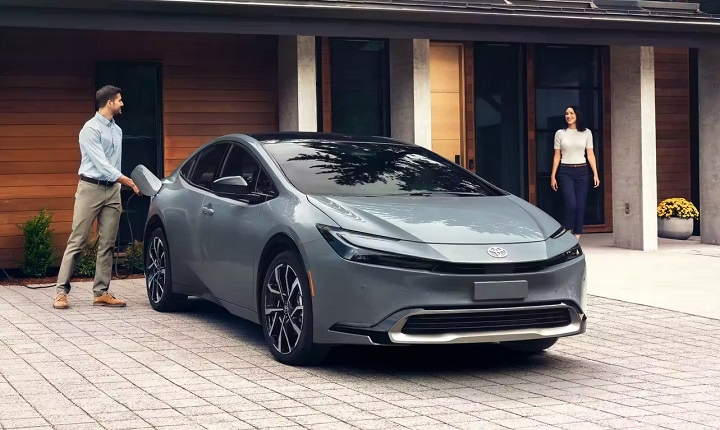
The 2023 Prius Prime marks a major leap forward for Toyota’s plug-in hybrid. With a dramatic redesign, more power, and improved electric-only range, the new Prius Prime sheds its reputation as just a fuel-sipper and steps into a more confident, stylish role. Whether you’re going green for efficiency or tech, this guide covers all the key details of the 2023 model—built just for you.
Why Consider the 2023 Prius Prime?
A Quick Snapshot
What It Is: Plug-in hybrid version of the Prius with electric-only range
What’s New: Complete redesign, sportier styling, more power, longer EV range
Known Issues (So Far): Occasional infotainment lag, tight rear headroom
Trims Available: SE, XSE, XSE Premium
DIY Friendly? Basic maintenance is easy; battery and electronics need specialized care
2023 Prius Prime Highlights
All-New Sporty Design
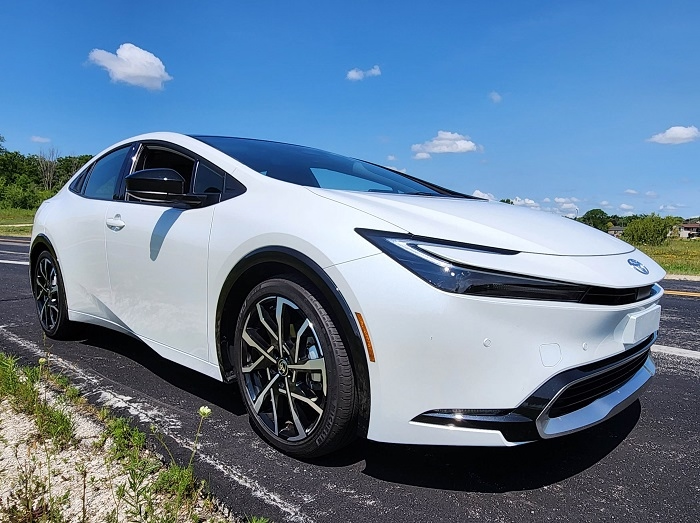
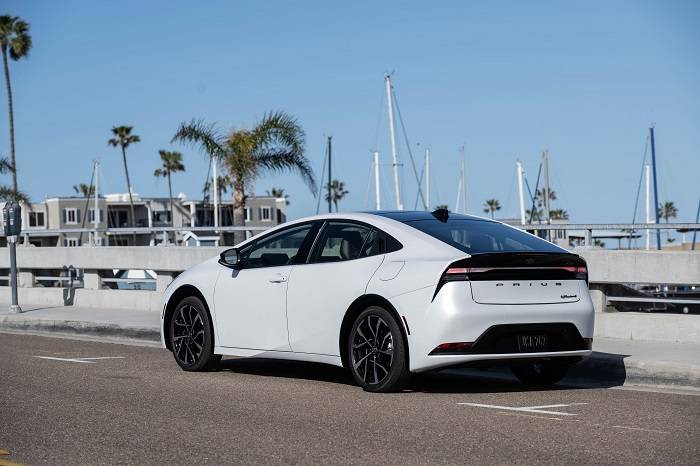
The 2023 Prius Prime looks nothing like previous models. With a sleek fastback profile, sharp headlights, and bold proportions, it finally has the looks to match its innovation.
Pros: Head-turning exterior that breaks the “boring hybrid” stereotype
Cons: Rear visibility slightly reduced due to sloped design
More Powerful and Efficient
Now powered by a 2.0L 4-cylinder engine paired with an electric motor, the system produces 220 hp—a major boost over the previous generation.
Pros: Much quicker acceleration, responsive throttle
Cons: Still not designed for aggressive driving or heavy loads
Electric-Only Range Improvement
The new Prius Prime offers up to 44 miles of electric-only driving—ideal for daily commutes without burning gas.
Pros: Many drivers can commute gas-free on weekdays
Cons: EV range drops in cold weather or with aggressive driving
Enhanced Tech and Safety
Includes a large center touchscreen (up to 12.3 inches), digital instrument cluster, wireless Apple CarPlay/Android Auto, and Toyota Safety Sense 3.0.
Pros: Intuitive system, slick graphics, tons of safety aids
Cons: Some users find the infotainment system slightly laggy on startup
Interior Upgrades and Comfort
The new cabin layout feels more upscale and driver-focused, with improved materials and a cleaner, more minimal design.
Pros: Quiet ride, modern look, and smart layout
Cons: Rear seat headroom is tight due to sloped roofline
Common Issues with the 2023 Prius Prime (So Far)
Infotainment Lag on Larger Screen
The 12.3-inch screen in XSE Premium trims can lag slightly when booting up or switching apps.
Fix: Dealer software updates may help; consider restarting system periodically
Limited Rear Visibility
Due to the new styling, the rear window and side profile reduce visibility.
Fix: Use standard backup camera and blind-spot monitoring effectively
Rear Passenger Headroom
The sloped roof cuts into rear headspace, especially for taller adults.
Fix: Best suited for children or average-height passengers in back
EV Range Drop in Cold Weather
Like all plug-in hybrids, the Prius Prime sees reduced electric range in freezing temps.
Fix: Use pre-conditioning, keep battery charged, and use ECO mode in winter
Limited Cargo Space (vs SUVs)
While the trunk is usable, it’s smaller than crossovers due to battery placement.
Fix: Fold rear seats for more room when needed; pack efficiently
Maintenance and Reliability Outlook
Routine Maintenance
- Oil Change: Every 10,000 miles (synthetic)
- Tire Rotation: Every 5,000 miles
- Cabin Air Filter: Replace every 15,000–20,000 miles
- Coolant and Brake Fluid: Inspect every 30,000 miles
- Battery Check (Hybrid System): Dealer diagnostics recommended yearly
Charging Routine
- Level 1 Charging (120V): ~11 hours from empty
- Level 2 Charging (240V): ~4 hours
- Charging Tip: Plug in nightly for maximum EV usage during short trips
Fuel Efficiency
- Electric-Only Range: Up to 44 miles
- Hybrid MPG (after battery depletion): Around 52–54 mpg combined
- Total Range (Full tank + charge): Over 600 miles in ideal conditions
Reliability: Very Promising
Toyota’s hybrid reputation is one of the best in the industry. The new Prius Prime uses proven tech in a modernized package, with early signs pointing to solid long-term durability.
Pros and Cons of the 2023 Prius Prime
Pros:
✔ Major design upgrade—finally looks cool
✔ Up to 44 miles EV-only range
✔ Stronger acceleration and highway confidence
✔ Packed with safety and tech features
✔ Excellent fuel economy once gas kicks in
Cons:
✘ Tight rear headroom and visibility
✘ Infotainment lag on large screen
✘ Trunk smaller than rivals with hatchback SUVs
✘ Requires charging for maximum benefit
FAQs
Is the 2023 Prius Prime fully electric?
No. It’s a plug-in hybrid, meaning it runs on electricity for short distances, but also uses gas for longer trips.
How much does the 2023 Prius Prime cost?
Prices typically range from $33,000 for the SE up to around $41,000 for a fully loaded XSE Premium.
Can I charge the Prius Prime at home?
Yes. You can use a standard outlet or install a Level 2 charger for faster recharging.
What’s the difference between Prius and Prius Prime?
The Prius Prime is a plug-in hybrid, while the regular Prius is a traditional hybrid that doesn’t plug in.
Is the 2023 Prius Prime worth it?
If you want a stylish, efficient, and tech-forward commuter with EV capability, absolutely—especially if you can plug in regularly.
The 2023 Prius Prime is no longer just about efficiency, it’s now a genuinely stylish, enjoyable car that still leads the pack in hybrid innovation. With improved power, a sleek design, and real electric capability, it’s a perfect match for eco-conscious drivers who want more from their daily drive. Just keep an eye on the tech quirks and make sure the interior space fits your lifestyle and you’ve got a winner.