

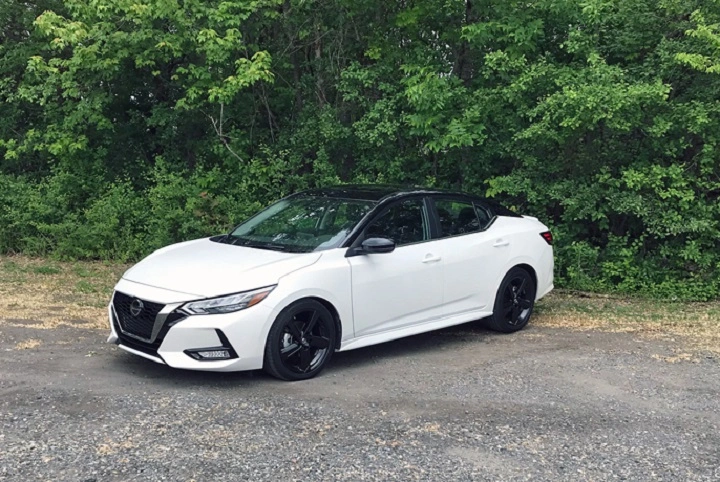
The 2021 Nissan Sentra stands out in the compact sedan class with sharp styling, a surprisingly upscale interior, and a full suite of standard safety features. After a major redesign in 2020, the 2021 model carries over with minimal changes but keeps its value-focused approach. If you’re considering a used Sentra or already own one, here’s what to know about features, known problems, and ownership expectations.
Why Look at the 2021 Sentra?
A Quick Snapshot
What It Is: Compact sedan focused on value and style
Key Traits: Bold design, efficient 4-cylinder engine, lots of safety tech
Known Issues: CVT quirks, firm ride, slow infotainment system
Trims Available: S, SV, SR
DIY Friendly? Yes—basic maintenance is straightforward
2021 Nissan Sentra Highlights
1. Modern Exterior, Upscale Interior
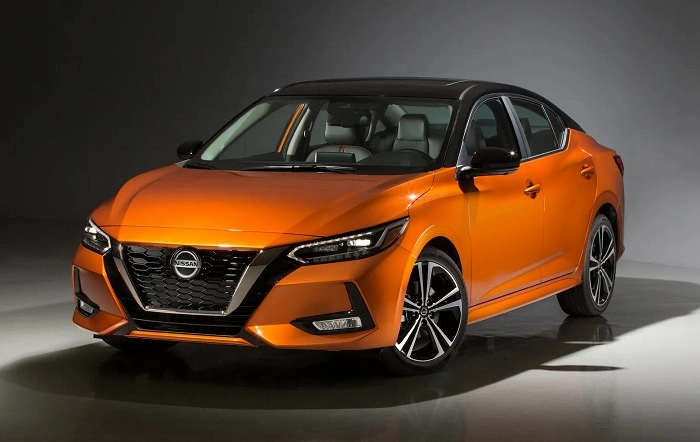
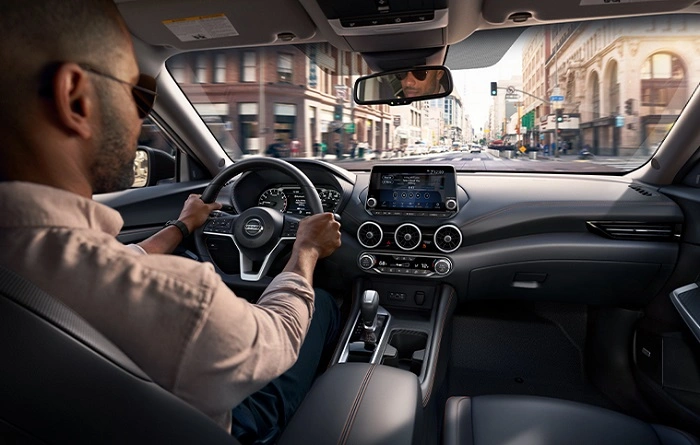
The 2021 Sentra looks like a mini Altima with sharp lines and a low, wide stance. Inside, it feels more expensive than you’d expect for the price.
Pros: Clean dashboard layout, soft-touch materials, available quilted leather
Cons: Rear headroom is a bit tight due to the sloping roofline
2. Efficient Powertrain
All trims come with a 2.0L inline-4 engine making 149 hp and 146 lb-ft of torque, paired with a CVT.
Pros: Smooth around town, solid MPG (up to 39 highway)
Cons: Not quick—0–60 mph takes about 9 seconds
3. Standard Safety Tech Across the Board
Every 2021 Sentra comes with Nissan Safety Shield 360, including:
- Automatic emergency braking
- Blind-spot warning
- Lane departure warning
- Rear cross-traffic alert
Bonus: Adaptive cruise control is standard on SV and SR trims
4. Trim Differences
- S: Basic but still includes Safety Shield
- SV: Adds upgraded infotainment, alloy wheels, and more comfort features
- SR: Sporty styling with black accents, 18-inch wheels, and available premium audio
Common Issues with the 2021 Sentra
1. CVT Behavior
Some owners report sluggish or inconsistent acceleration from the continuously variable transmission.
Fix: It’s common for a CVT; software updates or fluid changes may help
2. Touchscreen Lag
The 7- or 8-inch infotainment screen may respond slowly, especially during startup.
Fix: Check for system updates or reset the unit
3. Firm Ride on SR Trim
18-inch wheels on the SR trim contribute to a stiffer ride over bumps.
Fix: Consider downsizing wheels or opting for SV trim if comfort matters
4. Rear Visibility
Thick C-pillars and a small rear window limit rearward visibility.
Fix: Rely on standard rear camera and available rear sonar system
Maintenance and Reliability Outlook
Routine Maintenance
- Oil Change: Every 5,000–7,500 miles (full synthetic recommended)
- Brake Fluid: Replace every 3 years
- CVT Fluid: Inspect at 30,000 miles, replace by 60,000 if needed
- Air Filters: Replace every 15,000–30,000 miles
Reliability: Above Average
The 2021 Sentra has shown solid early reliability. The 2.0L engine is low-stress and easy to maintain. The CVT is the main wildcard, though issues are less common than in older Nissan models.
Pros and Cons of the 2021 Sentra
Pros:
✔ Sharp styling, inside and out
✔ Great safety features for the price
✔ Good fuel economy
✔ Comfortable front seats
✔ Solid value
Cons:
✘ CVT can feel sluggish
✘ Not very quick
✘ Rear visibility and headroom could be better
FAQs
Does the 2021 Sentra need premium fuel?
No. It runs perfectly fine on regular unleaded.
How much is a used 2021 Sentra?
Expect to pay between $17,000 and $23,000, depending on trim, mileage, and condition.
Is it fun to drive?
It’s more about comfort and efficiency. If you want sporty, check out the Mazda3 or Civic Sport instead.
Is the Sentra expensive to maintain?
Not at all. It’s one of the more affordable sedans in its class to own and repair.
The 2021 Nissan Sentra is a smart choice if you want a stylish, safe, and economical compact sedan. It’s not built for thrills, but it covers all the daily-driver essentials with comfort and confidence. For the price, especially used, it offers solid value with very few trade-offs.